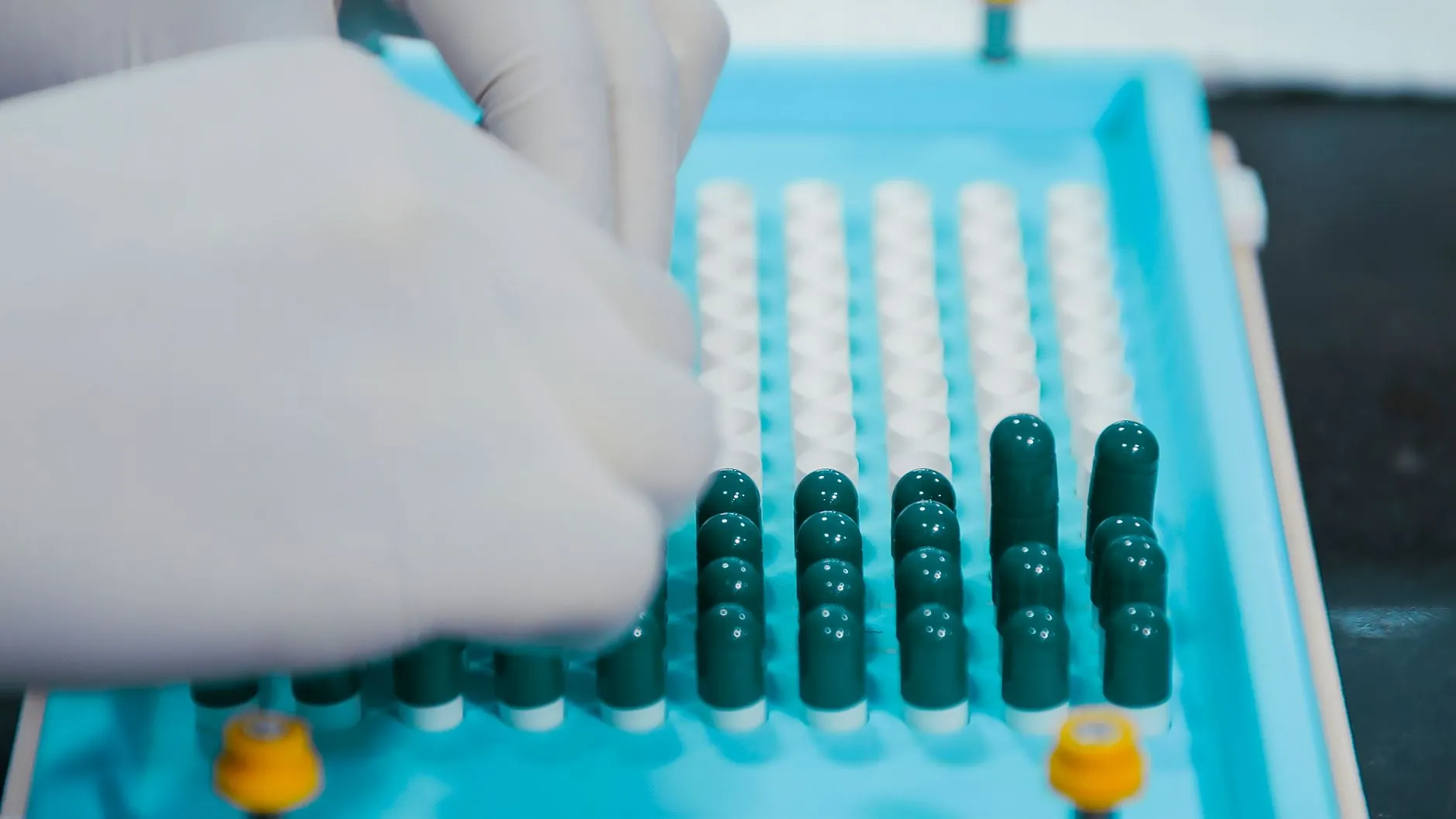
Greener Pharma Manufacturing Faces the Scale-Up Test
<p>The pharmaceutical industry is under pressure to cut emissions, waste and energy use without compromising the quality or safety of medicines. A four-year European research project has tested technologies that could make production cleaner. However, the critical question is no longer whether these methods work in the lab. It is whether they can operate reliably at commercial scale while meeting regulatory standards and controlling costs.</p><p>The ETERNAL project tested continuous manufacturing, solvent recovery systems, mechanochemistry and digital process controls across six industrial case studies. Funded under the European Union's Horizon Europe programme and coordinated by AIMPLAS, a Spanish technology centre, the work involved 16 organisations from the pharmaceutical, research and technology sectors. Results suggest that solvent use could fall by between 20% and 40% in some processes. Recycling rates in one AstraZeneca trial reached 90%. Energy demand and water consumption also showed potential reductions.</p><p>These findings come at a time when UK pharmaceutical manufacturers face growing scrutiny over environmental performance. Procurement frameworks increasingly include carbon reporting requirements. Supply chain partners are asking for verified emissions data. Meanwhile, regulatory discussions in Europe and the UK are moving toward life-cycle assessments that account for what happens to pharmaceutical compounds after they leave the factory.</p><h2>What the ETERNAL project tested in practice</h2><p>ETERNAL stands for Boosting the reduction of the environmental impact of pharmaceutical products throughout their entire life cycle. The project examined impacts across medicine design, manufacture, use and disposal. Its scope extended beyond active pharmaceutical ingredients to include residues, metabolites, process chemicals and manufacturing by-products.</p><p>Conventional pharmaceutical production relies heavily on batch processing. Ingredients are mixed, reacted and purified in separate stages. Each step can require different solvents, temperatures and equipment. Consequently, this approach often generates significant waste, consumes substantial energy and demands large volumes of high-purity solvents.</p><p>Continuous manufacturing offers an alternative. Reactions and separations occur in a connected flow. Material moves through the system without stopping. This can reduce solvent volumes, improve heat recovery and allow tighter process control. However, it also requires new validation protocols, different analytical methods and revised quality assurance procedures.</p><p>Several ETERNAL workstreams focused on replacing or improving conventional batch methods. AstraZeneca examined organic solvent nanofiltration as an alternative to thermal distillation during solvent exchanges. Because distillation requires substantial energy, membranes for part of the separation may reduce energy demand, solvent waste and associated carbon emissions. Solvent recycling improvements across relevant work were reported at roughly 15% to 25%. In one case, recycling reached 90%.</p><p>Angelini Pharma tested twin-screw granulation for solid-dose medicines. The approach was intended to simplify production, eliminate energy-intensive drying stages and reduce water consumption. Laboratorio Reig Jofre developed continuous processes for nanoparticles and liposomes. Digital tools were used to predict product characteristics and enable solvent reuse.</p><p>The project also developed a digital-twin framework based on Holonics principles. This technology models manufacturing processes in real time. It can optimise operating conditions dynamically and support faster adjustments when materials or conditions vary. Validation was conducted through industrial case studies.</p><p>Additionally, researchers evaluated greener solvents. Candidates included ethyl lactate and ionic liquids. Some case studies aimed for complete substitution of conventional solvents. However, not all alternatives performed equally well across different chemistries, purification steps or formulation requirements.</p><h2>Solvents, energy and carbon emissions in pharmaceutical production</h2><p>Solvents are central to pharmaceutical synthesis, purification and formulation. They dissolve reactants, separate products and control crystallisation. Yet they also contribute substantially to hazardous waste, energy consumption and greenhouse-gas emissions. Improving recovery and reducing solvent demand can therefore deliver several benefits simultaneously.</p><p>Lower raw-material consumption reduces procurement costs. Less waste treatment cuts disposal fees and regulatory burden. Reduced exposure to hazardous substances improves workplace safety. Lower process emissions support carbon reduction targets and compliance with frameworks such as PPN 06/21 for public sector suppliers.</p><p>The potential impact is especially important because pharmaceutical manufacturing often involves many processing steps and high-purity requirements. Even modest efficiency gains, replicated across multiple products and facilities, could produce meaningful reductions in resource use. Nevertheless, the reported results should be interpreted as project-specific outcomes or expected reductions. They do not represent proof that the entire pharmaceutical sector has already achieved these levels.</p><p>For UK manufacturers, the relevance extends beyond environmental performance. Supply chain partners are asking for verified emissions data. Procurement frameworks increasingly include carbon reporting requirements. Companies that can demonstrate measurable reductions in solvent use, energy consumption and waste generation may gain advantages in tenders and supplier assessments.</p><h2>Environmental risk beyond the factory gate</h2><p>ETERNAL also investigated the environmental fate and effects of pharmaceutical substances. Researchers from the University of Aveiro and the UK Centre for Ecology and Hydrology examined the occurrence, fate and environmental impacts of active pharmaceutical ingredients and their metabolites.</p><p>This work matters because manufacturing emissions are only one part of a medicine's overall environmental footprint. Pharmaceutical compounds can enter waterways through manufacturing discharges, patient use and disposal. Better data on persistence, toxicity and environmental exposure can strengthen environmental-risk assessments. It also helps regulators make more evidence-based decisions.</p><p>The project's policy work therefore advocated integrating environmental criteria throughout the life cycle of medicines. This approach aligns with emerging regulatory discussions in Europe and the UK. Environmental risk assessment may increasingly influence product approvals, manufacturing permits and market access.</p><p>For pharmaceutical manufacturers, this means that process improvements must be evaluated not only for their immediate emissions reductions but also for their broader environmental consequences. A process that reduces energy use may introduce new materials, waste streams or equipment impacts. These must be assessed across the full life cycle.</p><h2>Moving from pilot trials to commercial production</h2><p>The most significant issue is not whether greener processes can work in principle. It is whether they can operate consistently at industrial scale while meeting pharmaceutical requirements. Commercial adoption must address several practical barriers.</p><p>Quality and process validation come first. Any change to manufacturing must demonstrate consistent product quality, safety and efficacy. Pharmaceutical production is governed by strict regulatory standards. A new process must prove that it can deliver the same product, batch after batch, under varying conditions.</p><p>Regulatory acceptance follows closely. New equipment, materials and process controls may require additional validation and regulatory engagement. In some cases, manufacturers must submit variation applications to medicines regulators. This adds time, cost and complexity to scale-up programmes.</p><p>Economic viability determines whether a technology moves forward. Capital costs for new equipment, membrane replacement schedules, solvent compatibility issues, maintenance requirements and integration with existing facilities can all influence commercial attractiveness. A process that saves energy but requires expensive membranes or frequent downtime may not be economically competitive.</p><p>Operational reliability is equally important. Laboratory performance may not translate directly to long production campaigns, variable feedstocks or complex solvent mixtures. A membrane that works well with pure solvents in a pilot plant may foul quickly when exposed to real process streams containing trace impurities, polymers or particulates.</p><p>Workforce and infrastructure also play a role. Continuous processing and digital control require specialised expertise. Staff need training in new analytical methods, process-control software and troubleshooting techniques. Data systems must be validated and integrated with existing manufacturing-execution systems.</p><p>ETERNAL's scale-up programme was designed to address these issues by moving selected technologies from early-stage development toward pilot-scale demonstration. The project defined industrial, regulatory and performance requirements before advancing the case studies. This approach treats scale-up as an integrated engineering, regulatory and commercial challenge rather than a final step.</p><h2>Implications for UK pharmaceutical manufacturers</h2><p>UK pharmaceutical companies face growing expectations around environmental performance. Public sector procurement rules increasingly require carbon reduction plans and Scope 3 emissions reporting. Private sector supply chains are following similar patterns. Demonstrating measurable improvements in resource efficiency, waste reduction and emissions can therefore influence commercial opportunities.</p><p>The technologies tested in ETERNAL are relevant to these pressures. Solvent recovery systems, continuous processing and digital process controls can reduce energy use, cut waste and improve traceability. However, adoption requires careful evaluation of regulatory pathways, validation costs and operational integration.</p><p>For smaller manufacturers, the capital investment required for continuous processing equipment or advanced membrane systems may be prohibitive. Nevertheless, incremental improvements such as better solvent management, heat recovery or process optimisation can still deliver meaningful savings. Digital tools that model energy use or identify inefficiencies may offer lower-cost entry points.</p><p>Larger manufacturers with dedicated engineering teams and established production lines face different challenges. They must balance the potential benefits of new technologies against the risks of disrupting validated processes. Consequently, pilot programmes, staged implementation and close collaboration with regulators become essential.</p><p>Environmental risk assessment is another area of increasing importance. UK regulators are paying closer attention to pharmaceutical residues in water. Manufacturers that can demonstrate lower discharge levels, improved waste treatment or reduced use of persistent substances may benefit from smoother permitting processes and stronger stakeholder relationships.</p><p>Supply chain implications also matter. Pharmaceutical manufacturers often rely on contract development and manufacturing organisations for specific production steps. These partners must meet the same environmental standards. Therefore, procurement decisions increasingly include questions about energy use, waste management and emissions reporting.</p><p>For businesses seeking support with carbon reporting, emissions measurement or environmental compliance, structured programmes can provide the frameworks and expertise needed to meet these requirements. Our <a href="https://sbs.eco/net-zero-program/">net-zero program for carbon reporting compliance</a> helps UK businesses navigate these obligations.</p><h2>Key details from the ETERNAL project</h2><ul><li>The project ran for four years under European Union Horizon Europe funding, grant agreement number 101057668.</li><li>AIMPLAS, a Spanish technology and research centre, coordinated the consortium of 16 organisations from across the pharmaceutical, research and technology sectors.</li><li>Six industrial case studies were developed to test innovations and evaluate scale-up potential.</li><li>Solvent use reductions of approximately 20% to 40% were reported in relevant continuous-process and synthesis work, though validation was still continuing in several cases.</li><li>Solvent recycling improvements ranged from roughly 15% to 25% across relevant studies, with one AstraZeneca trial achieving up to 90% recycling.</li><li>Technologies were developed from approximately technology readiness level 3 to 4 toward level 5 to 6, indicating movement from laboratory demonstration to pilot-scale testing.</li><li>The project examined not only manufacturing emissions but also the environmental fate, persistence and toxicity of pharmaceutical compounds after release.</li><li>Digital-twin frameworks, membrane separation systems, twin-screw granulation and greener solvent alternatives were all evaluated through industrial case studies.</li></ul><h2>What UK businesses should consider now</h2><p>The ETERNAL findings do not provide a single solution that applies to every pharmaceutical manufacturer. Instead, they demonstrate that multiple technologies, each with different maturity levels, costs and integration requirements, can contribute to greener production. Businesses should therefore start by evaluating their own processes, identifying the largest sources of waste and energy use, and assessing which technologies align with their regulatory, operational and commercial priorities.</p><p>Start with a clear baseline. Measure current solvent use, energy consumption, waste generation and emissions. This provides the foundation for evaluating potential improvements and tracking progress over time. It also supports carbon reporting requirements and procurement submissions.</p><p>Identify the highest-impact opportunities. Not every process step offers the same potential for improvement. Focus on areas where solvent volumes are large, energy demand is high or waste disposal costs are significant. These are the areas where incremental changes can deliver meaningful savings.</p><p>Evaluate technology maturity and risk. Technologies approaching pilot scale, such as organic solvent nanofiltration or twin-screw granulation, may offer clearer pathways to adoption. Those still at earlier stages may require longer development timelines, higher validation costs and greater regulatory engagement.</p><p>Engage with regulators early. Changes to manufacturing processes can trigger variation requirements. Early discussions with medicines regulators, environmental permitting authorities and notified bodies can clarify expectations, identify potential issues and reduce delays.</p><p>Consider workforce development. New technologies require new skills. Training programmes, partnerships with technology providers and collaboration with research institutions can help build the expertise needed to operate, maintain and optimise advanced manufacturing systems. Resources such as the <a href="https://sbs.eco/sbs-academy/">SBS Academy training on environmental compliance</a> can support skills development in this area.</p><p>Plan for integration with existing systems. New equipment must fit within existing facilities, connect to current control systems and align with established quality assurance procedures. Early planning for data integration, utility requirements and facility modifications can reduce implementation costs and downtime.</p><p>Assess life-cycle trade-offs. A process that reduces solvent use may increase energy demand elsewhere. A membrane system may cut waste but require regular replacement. Comprehensive life-cycle assessment helps ensure that improvements in one area do not create new problems in another.</p><p>Monitor regulatory and policy developments. Environmental risk assessment, pharmaceutical residues in water and life-cycle approaches to medicines regulation are all areas of active policy discussion. Staying informed about these developments can help businesses anticipate future requirements and position themselves accordingly.</p><h2>Where to find further information</h2><p>The ETERNAL project's final outputs, technical reports and case study summaries are available through the European Commission's <a href="https://cordis.europa.eu/project/id/101057668">CORDIS research database</a>. This resource provides detailed information on project objectives, consortium members, deliverables and results.</p><p>For broader guidance on greener chemistry and sustainable manufacturing, the <a href="https://www.gov.uk/government/organisations/department-for-energy-security-and-net-zero">Department for Energy Security and Net Zero</a> publishes policy updates, funding opportunities and research priorities relevant to industrial decarbonisation.</p><p>The UK Centre for Ecology and Hydrology maintains research programmes on pharmaceutical compounds in the environment. Their publications offer evidence on occurrence, fate and ecological risk that can inform environmental assessments and risk management.</p><p>For pharmaceutical manufacturers navigating regulatory pathways, the <a href="https://www.gov.uk/government/organisations/medicines-and-healthcare-products-regulatory-agency">Medicines and Healthcare products Regulatory Agency</a> provides guidance on variation applications, manufacturing changes and quality assurance requirements.</p><p>Businesses seeking practical support with environmental compliance, carbon reporting or sustainable procurement can explore tailored programmes. Our <a href="https://sbs.eco/compliance/">ESG compliance and carbon reporting services</a> provide structured approaches to meeting regulatory requirements and supply chain expectations.</p>