
Hydrogen-Powered Freight Cuts Carbon Emissions: What It Means for UK Businesses
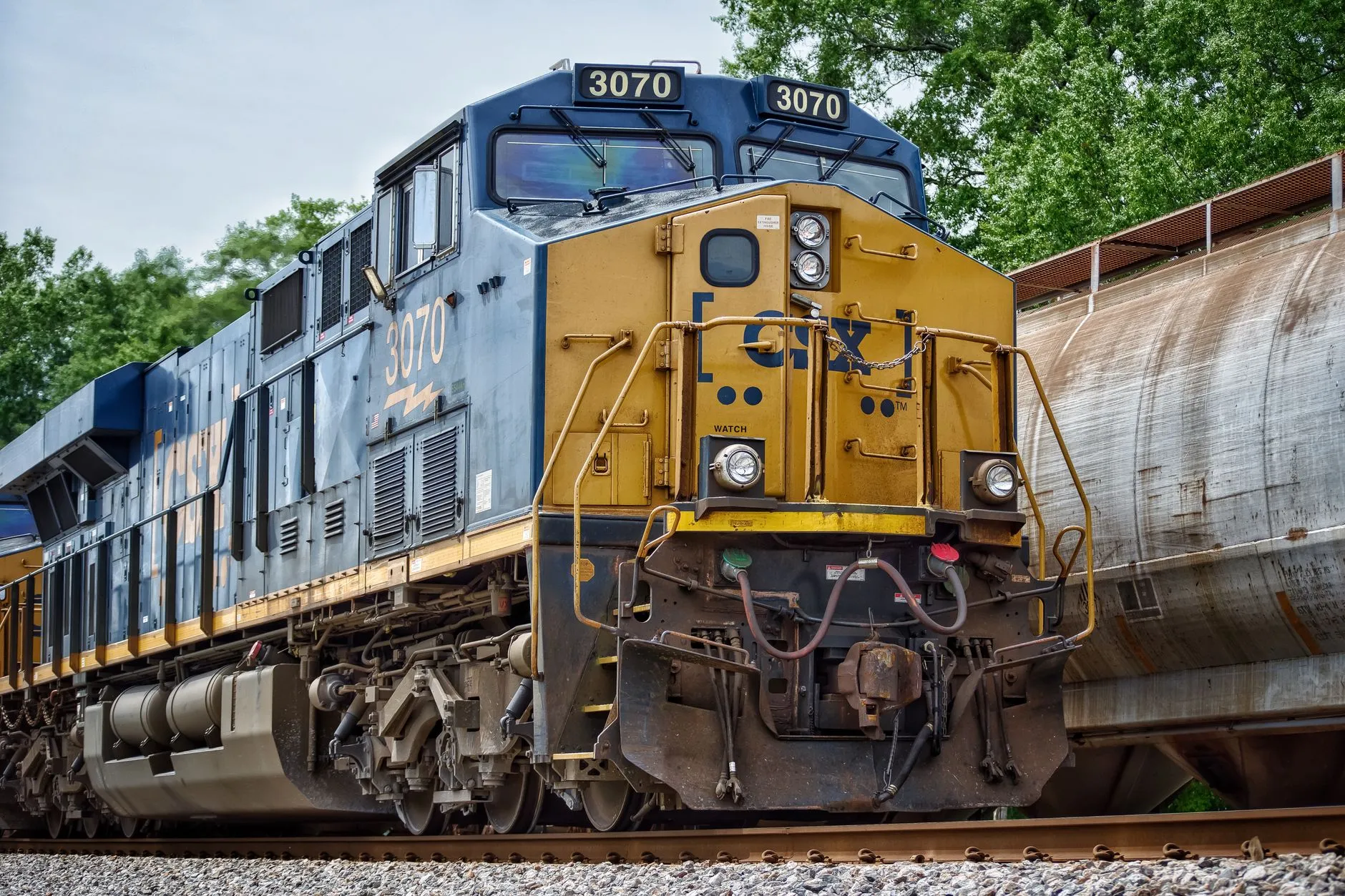
China has just completed the first carbon verification for hydrogen-powered freight on its New Western Land-Sea Corridor. The result shows an approximately 20% reduction in emissions compared with conventional fuel transport. For UK businesses importing goods from inland China or reviewing their supply chain emissions, the announcement offers early evidence that hydrogen logistics may work on fixed, high-volume routes.
The verification focused on freight moved from Chongqing's dry port through a multimodal corridor linking western Chinese provinces to international shipping routes via Guangxi Beibu Gulf ports. Importantly, this was not a technology demonstration. The assessment applied emissions accounting to live logistics operations and provided a measured comparison with diesel-powered alternatives.
However, the published report does not specify hydrogen sourcing, lifecycle boundaries, freight volumes, or trip frequency. These details matter considerably. Emissions vary depending on whether the calculation includes only tailpipe output or also covers hydrogen production, compression, storage, and distribution. Consequently, the 20% figure should be understood as a result for this specific system, not a universal benchmark for hydrogen freight.
The corridor connecting inland China to global markets
The New Western Land-Sea Corridor is a major trade network combining rail, road, and maritime transport. Chongqing serves as the principal hub. The corridor gives western and inland provinces more direct access to international shipping, reducing reliance on longer journeys to eastern Chinese ports.
Freight moved along this route includes manufactured goods, raw materials, vehicles, and industrial cargo. Many UK importers rely on supply chains that originate in inland Chinese manufacturing centres. Therefore, changes to transport emissions on these corridors can affect Scope 3 calculations for UK businesses reporting under frameworks such as the Streamlined Energy and Carbon Reporting requirements or preparing for stricter procurement standards.
The corridor is also a useful testbed for lower-carbon transport. Heavy freight vehicles require high energy density, long operating ranges, and short refuelling times. Battery-electric trucks struggle with these requirements on long-distance routes. Hydrogen fuel-cell vehicles are being evaluated as one possible solution, particularly for intensive commercial operations with centralised refuelling infrastructure.
What the carbon verification actually measured
The most significant aspect of the announcement is the use of formal carbon verification rather than general claims about clean technology. Fuel-cell vehicles produce no tailpipe carbon dioxide when running on hydrogen. Nevertheless, their overall climate performance depends entirely on how that hydrogen is produced.
Hydrogen made using renewable electricity can have a substantially lower carbon footprint than hydrogen produced from fossil fuels. Conversely, hydrogen produced from natural gas or coal retains significant upstream emissions. A credible comparison therefore needs to clarify several factors. These include the source and carbon intensity of the hydrogen, whether emissions were measured on a well-to-wheel or tank-to-wheel basis, and the conventional fuel used as the baseline.
Vehicle payload, route length, traffic conditions, and operating efficiency all affect the outcome. Emissions associated with hydrogen compression, transport, and refuelling should also be included. Meanwhile, manufacturing and infrastructure emissions may or may not have been accounted for. The reported 20% reduction should therefore be interpreted as a result for the verified operating system, not as a universal emissions reduction for all hydrogen freight applications.
Why UK businesses should pay attention
UK companies importing goods from inland China may see this development affect their supply chain emissions data over the next few years. Freight emissions are a material component of Scope 3 reporting for many importers. Consequently, any verified reduction in transport emissions can improve a company's overall carbon footprint and its performance against supplier selection criteria.
Public sector suppliers are particularly affected. Procurement Policy Note 06/21 requires bidders for central government contracts above £5 million per year to publish a carbon reduction plan and commit to net zero by 2050. Supply chain emissions often represent the largest share of total emissions for businesses selling physical goods. Therefore, lower-emission freight options can improve a company's competitive position in public tenders.
Additionally, UK businesses face increasing pressure from customers, investors, and regulators to reduce Scope 3 emissions. The introduction of mandatory climate-related financial disclosures under the Financial Conduct Authority's rules means more companies must report supply chain emissions. Verified reductions in freight transport can therefore contribute to compliance and help businesses demonstrate progress towards net zero targets.
However, UK companies should approach this development with caution. The verification applies to one specific corridor and one specific operating model. It does not confirm that hydrogen freight will deliver similar reductions on all routes or under all conditions. Furthermore, the carbon intensity of hydrogen varies significantly depending on the production method. Without detailed disclosure of the methodology and hydrogen source, businesses cannot yet rely on this figure for their own carbon accounting.
Commercial freight corridors suit hydrogen trials
The result could support further deployment of hydrogen-powered freight vehicles on fixed, high-utilisation routes. Commercial corridors are particularly suitable for hydrogen trials because vehicles can use centralised refuelling infrastructure. They also operate predictable schedules and return regularly to designated logistics hubs. This reduces the infrastructure investment required compared with dispersed operations.
If subsequent assessments confirm the result across larger fleets and longer operating periods, hydrogen could become one part of a broader freight decarbonisation strategy. Other elements might include battery-electric trucks for shorter routes, electrified rail for high-volume cargo, and renewable fuels for shipping and aviation. Route optimisation and digital logistics systems can also play a role, alongside energy-efficiency improvements in warehouses and ports.
The result is also relevant to China's wider efforts to reduce emissions from transport while maintaining freight capacity. Road freight remains essential for first- and last-mile movement. It also connects rail terminals, dry ports, industrial facilities, and maritime gateways. Lower-emission trucks could therefore complement, rather than replace, rail and water transport. For UK importers, this suggests that supply chain emissions may fall even if the overall freight model remains multimodal.
Questions requiring further disclosure
The announcement establishes a promising initial result but leaves several technical questions unanswered. A fuller assessment would benefit from publication of the verification methodology, the audited emissions inventory, route and payload data, and the hydrogen production pathway. These details would allow businesses and analysts to assess whether the result is replicable elsewhere and whether it represents a genuine reduction in lifecycle emissions.
Further monitoring is also needed to determine whether the reported reduction remains consistent over time. Factors such as vehicle utilisation, seasonal conditions, fuel-cell performance, maintenance schedules, and refuelling efficiency all affect real-world emissions. Cost, hydrogen availability, infrastructure investment, and vehicle durability will be equally important in determining whether the model can scale beyond a pilot operation.
For UK businesses, the key question is whether hydrogen freight will become commercially available on routes they use. The New Western Land-Sea Corridor serves western Chinese provinces and connects to Southeast Asian markets. However, many UK importers source goods from coastal manufacturing centres in Guangdong, Zhejiang, and Jiangsu provinces. Hydrogen freight may not reach these regions in the near term. Therefore, businesses should continue to focus on emissions reductions they can influence directly, such as supplier engagement, modal shift, and route optimisation.
Key details from the verification
- The project focused on hydrogen-powered freight transported from Chongqing's dry port through the New Western Land-Sea Corridor, a multimodal network linking inland China with international maritime routes.
- Carbon verification reported approximately 20% lower emissions compared with conventional fuel transportation on the same route.
- This is the first reported carbon-emissions verification associated with hydrogen-powered freight operations on this corridor, moving beyond technology demonstration to live logistics assessment.
- The verification did not disclose the exact freight quantity assessed, the number of trips, the hydrogen source, or the full lifecycle boundary used in the calculation.
- Commercial corridors are particularly suitable for hydrogen trials because vehicles can use centralised refuelling infrastructure and operate predictable schedules.
- The result should be interpreted as a benchmark for this specific operating system rather than conclusive evidence for all hydrogen transport applications.
How UK businesses can respond
Businesses importing goods from inland China should monitor further developments on this corridor. If the verified emissions reduction proves consistent and the methodology is disclosed, it may become possible to request emissions data from freight operators on specific routes. This would improve the accuracy of Scope 3 reporting and help businesses demonstrate supply chain decarbonisation to customers and procurement teams.
In the meantime, UK companies can take several practical steps to reduce freight emissions. First, engage with suppliers to understand their transport methods and emissions data. Many suppliers are willing to share this information, particularly if it helps them win contracts. Second, consider modal shift where feasible. Rail and sea freight typically produce lower emissions per tonne-kilometre than road transport. Third, consolidate shipments to improve load factors and reduce the number of trips required.
Businesses subject to Procurement Policy Note 06/21 should include freight emissions in their carbon reduction plans. This demonstrates a comprehensive approach to supply chain decarbonisation and strengthens the credibility of net zero commitments. Our net-zero program for carbon reporting compliance can help businesses identify material emissions sources and develop credible reduction strategies.
Finally, businesses should remain realistic about the pace of change. Hydrogen freight is still at an early stage of deployment. Infrastructure remains limited, costs are higher than diesel, and hydrogen supply chains are not yet mature. Consequently, businesses should prioritise emissions reductions they can achieve today while monitoring emerging technologies for future application. Training through the SBS Academy on Scope 3 emissions measurement can help teams understand which interventions deliver the greatest impact.
What comes next for hydrogen logistics
The completed verification marks a notable step in applying measurable carbon accounting to hydrogen-powered freight. Its reported 20% emissions reduction suggests that hydrogen may offer practical environmental benefits in specific heavy-duty logistics applications. However, the result should be treated as an early operational benchmark rather than conclusive evidence for all hydrogen transport.
The next stage will be to expand the assessment, disclose the accounting boundaries, and compare hydrogen with battery-electric, rail, and other low-carbon freight options on the same routes. Those comparisons will determine whether hydrogen can deliver not only lower emissions, but also the reliability and economic performance required for large-scale freight deployment. For UK businesses, this means watching for further verification results and disclosure of methodology before making strategic decisions based on this technology.
Businesses should also consider the broader policy context. The UK government has committed to phasing out the sale of new diesel heavy goods vehicles by 2040. This will drive investment in alternative powertrains, including battery-electric and hydrogen fuel-cell trucks. Similarly, China's emissions reduction targets will continue to push investment in lower-carbon freight technologies. Therefore, supply chain emissions are likely to fall over the next decade even without active intervention by individual businesses.
Nevertheless, businesses that act early can gain competitive advantages. Early adopters of lower-emission supply chain practices often find it easier to secure public sector contracts, attract sustainability-focused investors, and meet customer expectations. Therefore, businesses should begin mapping their freight emissions now, even if they cannot yet switch to hydrogen or other alternative fuels. Understanding where emissions occur is the first step towards reducing them.
Where to find further information
The original announcement was reported by Shanghai Metals Market, a specialist publication covering metals and materials markets in China. However, the report does not include detailed methodology or lifecycle boundaries. Businesses seeking more information on hydrogen freight should consult the following authoritative sources.
The UK government's Department for Transport publishes research and policy updates on heavy goods vehicle decarbonisation. The UK Hydrogen Strategy sets out the government's approach to hydrogen production and use across transport and industry. The Net Zero Strategy provides context on the UK's overall emissions reduction targets and the role of freight transport.
For businesses reporting supply chain emissions, the Greenhouse Gas Protocol provides the international standard for Scope 3 accounting. The UK's Procurement Policy Note 06/21 sets out carbon reduction plan requirements for public sector suppliers. Our compliance support for carbon reporting services can help businesses navigate these requirements and prepare credible disclosures.