
ICAO's Push for Sustainable Aviation: A Path Forward
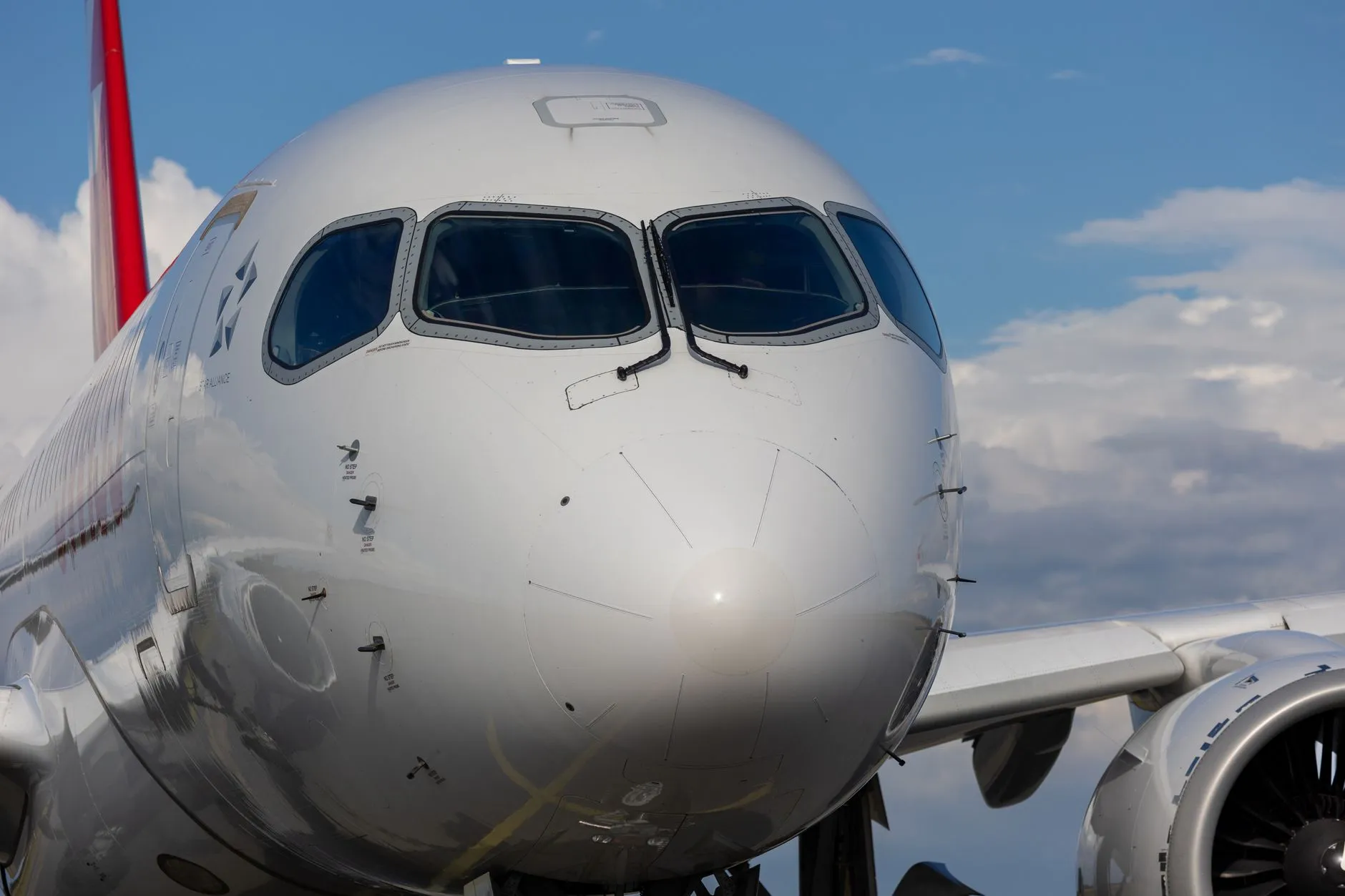
International aviation authorities have set out detailed plans to overhaul how the sector approaches technology adoption, fuel standards and environmental regulation. These reforms are designed to accelerate the uptake of cleaner energy sources while ensuring smaller aviation markets are not excluded from the transition. For UK businesses involved in aviation supply chains, the changes signal growing commercial pressure to demonstrate emissions reductions and prepare for new fuel specifications.
The measures emerged from recent discussions among the 193 member states of the International Civil Aviation Organization, the United Nations body responsible for setting global aviation standards. Delegates focused on harmonising technical requirements, reducing regulatory barriers to innovation, and establishing financing mechanisms to support sustainable aviation fuel production in countries that lack the capital or expertise to develop projects independently.
Aviation remains one of the harder sectors to decarbonise. Electric propulsion is not yet viable for long-haul flight, and hydrogen infrastructure is in early development. As a result, attention has turned to drop-in fuels that work with existing aircraft and distribution systems. However, these fuels currently represent a tiny fraction of global jet fuel consumption, and production costs remain significantly higher than conventional alternatives.
The reforms are particularly relevant to UK businesses that supply airlines, manufacture components, provide ground services or operate within airport environments. Supply chain emissions reporting is becoming a standard requirement in aviation tenders, and buyers are increasingly asking for evidence of decarbonisation plans. Companies that cannot demonstrate credible action may find themselves excluded from contracts as airlines work to meet their own climate commitments.
Global framework targets 5% emissions cut by 2030
Member states established a collective goal in 2023 to achieve a 5% reduction in aviation carbon dioxide emissions by 2030 through the use of cleaner energy sources. This target sits within a broader commitment to reach net-zero carbon emissions for international aviation by 2050, adopted by the International Civil Aviation Organization in 2022.
The strategy relies on several parallel measures. Airlines are expected to increase their use of sustainable aviation fuels and other lower-carbon energy sources. Meanwhile, manufacturers are working on more efficient aircraft and propulsion systems. Operational improvements include better air traffic management and route optimisation. Digital tools and automation are being deployed to reduce fuel consumption during taxiing, cruising and landing.
The Carbon Offsetting and Reduction Scheme for International Aviation, known as CORSIA, provides the global market mechanism. It requires airlines to monitor and report emissions, then offset growth above 2019 baseline levels by purchasing eligible carbon credits. By October 2025, 130 states were participating voluntarily in the scheme. The organisation describes CORSIA as the only global market-based measure applying to international aviation.
Progress reporting shows growing engagement. Some 154 states had submitted national action plans describing their emissions reduction strategies by October 2025, compared with 133 in 2022. These plans set out how individual countries intend to support cleaner fuels, improve operational efficiency and build the technical capacity needed to implement international standards.
Fuel production remains the critical bottleneck. Certified sustainable aviation fuel supplies more than doubled in 2025 compared with the previous year, according to the International Civil Aviation Organization. This avoided an estimated 1.1 million tonnes of carbon dioxide emissions. However, global jet fuel consumption runs into hundreds of millions of tonnes annually, so current sustainable fuel volumes remain marginal.
Regulatory flexibility prioritised to accommodate emerging technologies
Delegates emphasised the need for proportionate, risk-based regulation that can accommodate technologies developing faster than traditional approval processes. This includes artificial intelligence, automation, advanced air mobility concepts and new fuel types. The concern is that rigid or divergent national rules could delay deployment, increase costs and discourage investment in cleaner alternatives.
Member states supported the creation of regulatory sandboxes and demonstration corridors. These allow new technologies to be tested under controlled conditions before binding requirements are introduced. The approach is intended to give regulators and developers time to understand risks without stifling innovation or exposing the public to unproven systems.
Harmonised digital standards and stronger cybersecurity measures were also highlighted. As aviation becomes more automated and data-dependent, the risk of system failures or cyber attacks increases. Common standards reduce the chance of incompatible systems creating safety gaps or operational disruptions across borders.
Modernising communications and air traffic management infrastructure was identified as essential. Many of the efficiency gains promised by new aircraft or fuels depend on better coordination between airlines, airports and air traffic controllers. Outdated systems create delays, increase fuel burn and limit the benefits of technological improvements.
This flexibility matters because aviation technologies increasingly cross national borders. Divergent certification or market rules can fragment the market, making it harder for manufacturers to achieve the scale needed to bring down costs. For UK suppliers, harmonised international standards reduce the complexity of exporting products or services and make it easier to demonstrate compliance across multiple jurisdictions.
Sustainable fuel standards aim to balance scale with environmental integrity
Sustainable aviation fuel can generally be used within existing aircraft and fuel distribution systems, subject to technical and certification requirements. This compatibility makes it the most immediately deployable option for reducing aviation emissions. Nevertheless, availability remains severely limited compared with conventional jet fuel, and production costs are often higher.
Delegates supported harmonised certification and sustainability criteria to help scale production while protecting environmental integrity and market confidence. These criteria address issues including feedstock traceability, lifecycle emissions and the risk that fuel production could generate unintended environmental or social harms. For example, fuels derived from crops grown on cleared forest land may deliver little or no net emissions benefit once land-use change is factored in.
The discussions highlighted several barriers to increased production. Investment in new facilities requires long-term market certainty, yet many airlines are reluctant to commit to purchasing fuel at current prices without regulatory mandates. Feedstock availability varies by region, and supply chains are not yet reliable enough to support continuous commercial operations. Capacity-building support is needed in developing countries, where technical expertise and financing are often scarce.
The International Civil Aviation Organization operates the Assistance, Capacity-building and Training for Sustainable Aviation Fuels programme, known as ACT-SAF. This initiative helps countries develop the policy, technical and investment foundations for fuel projects. By 2025, the programme had completed 18 feasibility studies and had 17 additional projects underway. The focus has shifted from early-stage analysis toward direct implementation support.
Financing mechanisms are being developed through the organisation's Finvest Hub, which aims to connect decarbonisation projects with public and private capital. The initiative focuses particularly on improving access to finance in developing countries and regions where clean energy projects face higher perceived risks. Without dedicated support, many smaller aviation markets may struggle to participate in emerging fuel markets or meet increasingly complex environmental requirements.
Mandatory blending and procurement policies expected to drive demand
Several jurisdictions have introduced or proposed mandates requiring airlines to use a minimum percentage of sustainable aviation fuel. The European Union, for example, is implementing blending obligations that increase progressively over time. The United Kingdom has consulted on similar measures. These policies are intended to create guaranteed demand, which in turn encourages investment in production capacity.
For UK businesses, this creates both opportunity and risk. Suppliers that can demonstrate they use lower-carbon fuels or support decarbonisation efforts may gain a competitive advantage in aviation tenders. Conversely, companies unable to meet new specifications or provide credible emissions data may lose access to contracts as airlines prioritise suppliers that help them comply with regulatory requirements.
Procurement policies are also changing. Public sector buyers in particular are under pressure to favour suppliers with strong environmental credentials. This extends beyond direct fuel purchases to include ground services, catering, maintenance and logistics. Businesses that treat sustainability as a compliance exercise rather than a commercial priority risk being sidelined as standards tighten.
Supply chain transparency is becoming a prerequisite. Airlines need to report Scope 3 emissions, which include the carbon footprint of goods and services they purchase. Consequently, they are asking suppliers for detailed emissions data and evidence of reduction plans. Companies that cannot provide this information may find themselves excluded from tender processes or subject to increased scrutiny during contract renewals.
Capacity-building programmes target implementation gaps in smaller markets
Global aviation decarbonisation cannot depend solely on action by the largest markets or airlines. Countries need access to technical expertise, reliable emissions data, trained personnel, suitable infrastructure and financing. The International Civil Aviation Organization's capacity-building work reflects its "No Country Left Behind" initiative, which seeks to help member states implement international standards and participate more fully in the benefits of air transport.
The need is substantial. Sustainable fuel production, carbon accounting, airport infrastructure and clean energy procurement all require specialised expertise. Without assistance, countries with smaller aviation sectors may be unable to participate in emerging fuel markets or meet increasingly complex environmental requirements. This risks creating a divide between well-resourced aviation markets and countries with limited access to capital.
At the 2025 Global Implementation Support Symposium, the organisation reported 21 new bilateral and multilateral capacity-building agreements. France committed to train 1,000 aviation professionals between 2025 and 2027. The United Arab Emirates provided USD 1 million to support a global aviation award. These commitments indicate growing recognition that technical assistance is essential to achieving global environmental targets.
Training programmes focus on practical implementation skills. This includes emissions monitoring and reporting, fuel certification, project finance, and regulatory compliance. The aim is to build institutional capacity so that countries can develop their own projects rather than relying indefinitely on external consultants. For UK businesses, these programmes may create opportunities to provide training, technology or advisory services to emerging aviation markets.
Key details for UK businesses
- The International Civil Aviation Organization has 193 member states and sets global standards for international civil aviation.
- The long-term goal is net-zero carbon emissions for international aviation by 2050, with a collective target of 5% carbon dioxide reduction by 2030 through cleaner energy sources.
- By October 2025, 154 states had submitted national emissions reduction action plans, and 130 states were participating voluntarily in CORSIA, the sector's global offsetting scheme.
- Certified sustainable aviation fuel supplies more than doubled in 2025 compared with the previous year, avoiding an estimated 1.1 million tonnes of carbon dioxide emissions, though volumes remain small relative to total jet fuel consumption.
- The ACT-SAF programme had completed 18 feasibility studies and had 17 further projects underway by 2025, focusing on helping countries develop sustainable fuel production capacity.
- France committed to train 1,000 aviation professionals from 2025 to 2027, and 21 new bilateral and multilateral capacity-building agreements were reported at the 2025 Global Implementation Support Symposium.
What UK suppliers should consider
Businesses operating in aviation supply chains need to prepare for increased scrutiny of their emissions and sustainability practices. Airlines are under growing pressure to report Scope 3 emissions, which include the carbon footprint of purchased goods and services. As a result, they are asking suppliers for detailed emissions data and evidence of credible reduction plans.
Companies should review their current carbon accounting practices and ensure they can provide accurate, verifiable data. This includes direct emissions from operations, energy use, and transport. Where gaps exist, businesses should consider engaging with our compliance and carbon reporting services to ensure they meet emerging requirements.
Procurement criteria are changing rapidly. Public sector buyers in particular are prioritising suppliers with strong environmental credentials. This extends beyond direct aviation services to include logistics, facilities management, catering and component manufacturing. Businesses that cannot demonstrate progress on decarbonisation may find themselves excluded from tenders or subject to increased scrutiny during contract renewals.
Supply chain mapping is increasingly important. Airlines need to understand the full environmental impact of their operations, which requires transparency from suppliers at multiple tiers. Businesses should identify where their largest emissions arise and develop plans to address them. This may include switching to cleaner energy sources, improving efficiency, or working with suppliers to reduce embedded emissions in materials and components.
Training and skills development will become more important as environmental requirements grow more complex. Staff responsible for sustainability, procurement or compliance need to understand emerging fuel standards, carbon accounting methodologies and regulatory frameworks. Our SBS Academy training programmes provide practical guidance on these topics for UK businesses.
Investment in cleaner technologies may offer commercial advantages. Businesses that adopt lower-carbon processes or fuels early may benefit from first-mover advantages in tenders, reduced exposure to future carbon pricing, and improved resilience to supply chain disruptions. However, investment decisions should be based on clear business cases rather than speculative assumptions about future policy.
Engaging with industry bodies and standard-setting processes can help businesses stay ahead of regulatory changes. Participation in consultations, trade associations and technical working groups provides early visibility of emerging requirements and opportunities to influence how standards are implemented. This is particularly important in a sector where international harmonisation is a priority.
Where to find official guidance and support
The International Civil Aviation Organization website provides detailed information on global aviation standards, environmental programmes and member state commitments. The organisation publishes regular updates on sustainable fuel production, CORSIA implementation and capacity-building initiatives.
The UK Department for Transport is responsible for domestic aviation policy and publishes guidance on emissions reporting, fuel standards and regulatory consultations. Businesses should monitor departmental announcements for updates on UK-specific requirements that may differ from or go beyond international standards.
The Civil Aviation Authority regulates UK aviation and provides technical guidance on safety, environmental compliance and operational requirements. The authority's website includes information on certification processes, emissions monitoring and enforcement actions.
Industry bodies such as the Sustainable Aviation coalition bring together airlines, airports, manufacturers and service providers to coordinate decarbonisation efforts. The coalition publishes roadmaps, best practice guidance and progress reports that can help businesses understand sector-wide trends and expectations.
For businesses seeking to improve their carbon accounting, develop decarbonisation plans or meet tender requirements, our net-zero programme for UK SMEs provides practical support tailored to the aviation supply chain and other sectors facing complex environmental requirements.