
Inside the Innovation Zone at Sustainability LIVE London
September 2026 summit moves to Westminster venue
Sustainability LIVE London returns in September 2026 with a larger format and a new home at the QEII Centre in Westminster. The event runs across 8 and 9 September, bringing together more than 1,000 attendees for a program that places practical technology alongside strategic debate. Organizers BizClik have confirmed the summit will sit alongside Procurement LIVE and Supply Chain LIVE, reflecting how sustainability decisions now cut across multiple business functions.
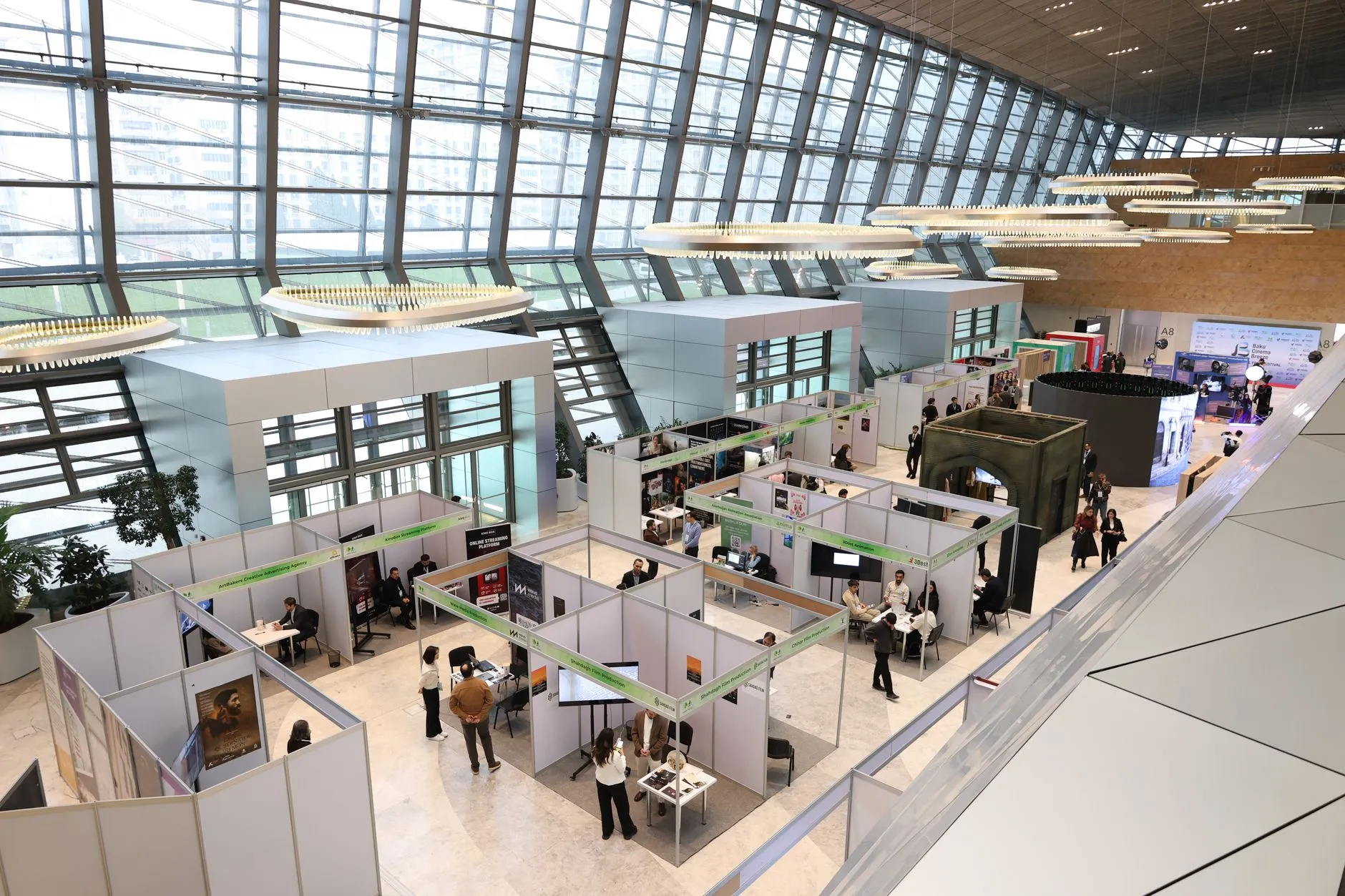
The move marks a significant expansion. Previous London editions used the Business Design Centre. However, the QEII Centre location positions the event closer to government departments and policy makers. Consequently, the venue choice reinforces the summit's focus on implementation rather than theory. The Innovation Zone returns as a core feature, showcasing AI, data tools and operational solutions that businesses can deploy immediately.
This is not a one-off experiment. The Innovation Zone appeared throughout the 2025 London program, with dedicated sessions across both conference days. Therefore, the format has proven its value to attendees looking for tangible answers. The 2026 edition builds on that foundation, adding workshops, networking sessions and an expo alongside 50 speakers covering ten core themes.
BizClik describes Sustainability LIVE as a global hybrid platform connecting leaders and innovators driving progress in sustainability. The London summit forms part of a wider 2026 calendar. Earlier in the year, the brand hosted a Net Zero Summit at the same Westminster venue in March. Additionally, a separate London Climate Action Week edition took place in June at CodeNode, drawing 250 attendees and 25 expert speakers.
Technology takes center stage in Innovation Zone format
The Innovation Zone represents a deliberate shift toward practical problem solving. Instead of abstract policy discussion, the zone demonstrates how businesses can use AI, emissions tracking platforms and operational analytics to accelerate decarbonization. Sessions in 2025 explored real deployment scenarios. The 2026 program expands this approach, giving technology providers and solution architects space to show their work.
For example, AI tools now handle Scope 3 emissions calculations that previously required weeks of manual data gathering. Meanwhile, machine learning models identify efficiency improvements across energy use, transport and manufacturing. These are not future possibilities. They are operational tools that SMEs and larger enterprises are adopting today. The Innovation Zone puts them in front of decision makers who control budgets and implementation timelines.
The format also addresses a practical challenge. Sustainability teams often lack the technical capacity to evaluate competing platforms or integration requirements. By co-locating technology showcases with procurement and supply chain professionals, the event creates conversations between buyers and implementers. This matters because successful sustainability projects depend on cross-functional alignment, not isolated initiatives.
Moreover, the Innovation Zone reflects wider market demand. Businesses need solutions that integrate with existing ERP systems, deliver verifiable data for reporting, and scale without prohibitive costs. Generic commitments no longer satisfy investors, regulators or procurement frameworks. Consequently, companies are looking for tools that deliver measurable progress against specific targets.
Co-location strategy connects sustainability with procurement decisions
Running Sustainability LIVE alongside Procurement LIVE and Supply Chain LIVE is a structural choice with commercial implications. Decarbonization often fails when sustainability teams set targets without involving the procurement function that controls supplier relationships and capital spending. Similarly, supply chain leaders face increasing pressure to demonstrate carbon accountability, but they rarely attend sustainability-specific conferences.
The co-location model solves this problem. It puts sustainability leaders in the same venue as the colleagues who negotiate contracts, manage logistics and approve technology investments. As a result, conversations about emissions reduction can happen alongside discussions about supplier audits, contract terms and performance metrics. This integration is essential because most corporate emissions sit in Scope 3, which means they originate in supply chains rather than direct operations.
Furthermore, the format acknowledges how procurement frameworks are changing. PPN 06/21 requires suppliers bidding for central government contracts above £5 million to publish carbon reduction plans. Many local authorities and private sector buyers have adopted similar requirements. Consequently, procurement professionals need to understand carbon accounting, supplier engagement strategies and credible reduction pathways. The co-located format gives them access to expertise they might not encounter in traditional procurement events.
The timing also matters. By September 2026, businesses will be preparing for their next reporting cycle. Many will be reviewing supplier performance, evaluating new technology investments and setting 2027 priorities. The summit provides a concentrated opportunity to compare solutions, benchmark progress and identify gaps before year-end planning begins.
What UK businesses should know about the summit
- The event takes place on 8 and 9 September 2026 at the QEII Centre in Westminster, with more than 1,000 attendees expected across three co-located summits.
- The Innovation Zone will showcase AI, data analytics and operational technology designed to accelerate business sustainability efforts and support decarbonization targets.
- Co-location with Procurement LIVE and Supply Chain LIVE reflects how sustainability decisions increasingly involve procurement, operations and technology functions rather than isolated ESG teams.
- The format includes 50 speakers, ten core themes, four interactive workshops, expert-led panels and networking sessions designed to connect decision makers with implementers.
- A separate London Climate Action Week edition ran in June 2026 at CodeNode, drawing 250 in-person attendees and 25 speakers for a focused leadership summit.
- The September summit is part of a wider Sustainability LIVE calendar, including a Net Zero Summit held in March 2026 at the same Westminster venue.
Commercial reality behind the Innovation Zone model
The Innovation Zone exists because sustainability conferences have faced criticism for offering inspiration without implementation. Businesses leave with renewed motivation but no clear path to action. The technology showcase format changes that dynamic by giving attendees direct access to tools, platforms and service providers who can support their specific challenges.
This approach reflects a maturing market. Early sustainability events focused on awareness and commitment. Now, companies need execution support. They need help choosing between competing carbon accounting platforms, understanding API integrations, comparing managed services against in-house builds, and evaluating total cost of ownership. These are procurement questions, not policy questions. Therefore, the event structure must facilitate those conversations.
Additionally, the Innovation Zone helps smaller businesses identify accessible solutions. Many SMEs assume that sophisticated emissions tracking or AI-enabled efficiency tools are beyond their budget or technical capacity. However, cloud-based platforms and managed service models have changed the economics. The zone provides a concentrated way to discover what is genuinely available and what it costs.
The format also benefits solution providers. They gain access to a concentrated audience of potential buyers, all facing similar challenges around reporting, compliance and operational efficiency. For UK SMEs working toward net zero or preparing carbon reduction plans for PPN 06/21 compliance, the event offers a practical opportunity to compare approaches and identify partners.
Importantly, the emphasis on AI and data tools is not speculative. These technologies are already central to credible decarbonization. Accurate emissions measurement requires data aggregation across multiple sources. Effective reduction planning depends on identifying high-impact interventions. Both tasks become exponentially more complex as businesses grow or as supply chains deepen. Consequently, manual approaches quickly become unworkable, making technology adoption a commercial necessity rather than an optional upgrade.
Why procurement integration matters for sustainability progress
Sustainability fails when it remains siloed within ESG teams. Procurement professionals control supplier selection, contract terms and capital allocation. Without their involvement, sustainability commitments become aspirational statements disconnected from operational reality. The co-location strategy addresses this disconnect directly by creating a shared space where both functions can engage with the same information.
For example, a sustainability manager might attend a session on Scope 3 measurement. A procurement colleague from the same company might attend a workshop on supplier engagement. If both sessions happen in separate venues on different dates, the two professionals may never compare notes. However, when both are in the same building on the same day, they can align their understanding and return with a coordinated approach.
This matters particularly for businesses pursuing sustainable procurement strategies or responding to tender requirements that include carbon reduction criteria. Procurement teams need to understand how to evaluate supplier claims, what data to request, and how to structure contracts that incentivize emissions reductions. These are technical questions that require input from sustainability expertise, but they are ultimately procurement decisions.
Moreover, the format supports learning across organizational boundaries. A small manufacturer attending with its procurement manager can observe how a logistics company approaches driver training or how a food business manages cold chain emissions. These are not theoretical case studies. They are practical examples from businesses solving similar problems. Consequently, attendees leave with tangible ideas they can adapt to their own operations.
Tracking the Sustainability LIVE calendar and related events
The September London summit is part of a broader event series that BizClik has developed into a year-round platform. The March 2026 Net Zero Summit at the QEII Centre focused specifically on pathways to net zero, ESG reporting and operational transformation. The June London Climate Action Week edition offered a more intimate format for 250 senior sustainability executives. Each event serves a distinct audience with different needs.
Therefore, businesses should consider which format suits their current priorities. The September summit offers the widest range of topics and the largest audience. It works well for companies still exploring different approaches or those needing to involve multiple internal stakeholders. The March event provides deeper focus on net zero planning and reporting mechanics. The June edition suits senior leaders looking for strategic insight rather than tactical implementation.
The Innovation Zone itself will include dedicated sessions on decarbonization challenges and solutions, according to announcements made in August. This programming sits alongside broader themes covering energy, waste, circular economy, biodiversity and social sustainability. Consequently, attendees can tailor their agenda to match their immediate priorities while still gaining exposure to adjacent topics.
BizClik describes the series as connecting leaders, innovators and changemakers driving progress in sustainability. The language reflects the event's positioning as a meeting point for different parts of the sustainability ecosystem. Solution providers, consultancies, businesses implementing change, and policy observers all attend. Therefore, the networking value extends beyond the formal program into informal conversations between sessions.
Where to find official event information and registration
Full program details, speaker announcements and registration information are available directly from BizClik through the official Sustainability LIVE website. The site includes specific pages for each edition within the series, allowing businesses to compare formats and dates. Early registration typically offers reduced rates, so companies planning to send multiple attendees should review options well in advance of September.
For businesses new to sustainability events, the SBS Academy offers training on core concepts like carbon accounting, Scope 3 measurement and supplier engagement. This preparation helps attendees get more value from conference sessions by arriving with foundational knowledge already in place. Similarly, our compliance support service helps businesses understand which regulatory requirements apply to their sector and what reporting frameworks they need to address.
The QEII Centre itself is located in Westminster, close to major transport links including St James's Park and Westminster underground stations. The venue regularly hosts government and international conferences, so facilities are designed for large-scale professional events. On-site catering, break-out spaces and exhibition areas support the full-day format without requiring attendees to leave the building between sessions.
Additional context on UK sustainability policy, including updates on carbon reporting requirements and public procurement frameworks, is available through the Department for Energy Security and Net Zero. For specific guidance on carbon reduction plans and PPN 06/21 compliance, the government procurement policy note provides the official framework and templates.