
Iran War Fuels Global Drop in Fossil Fuel Emissions
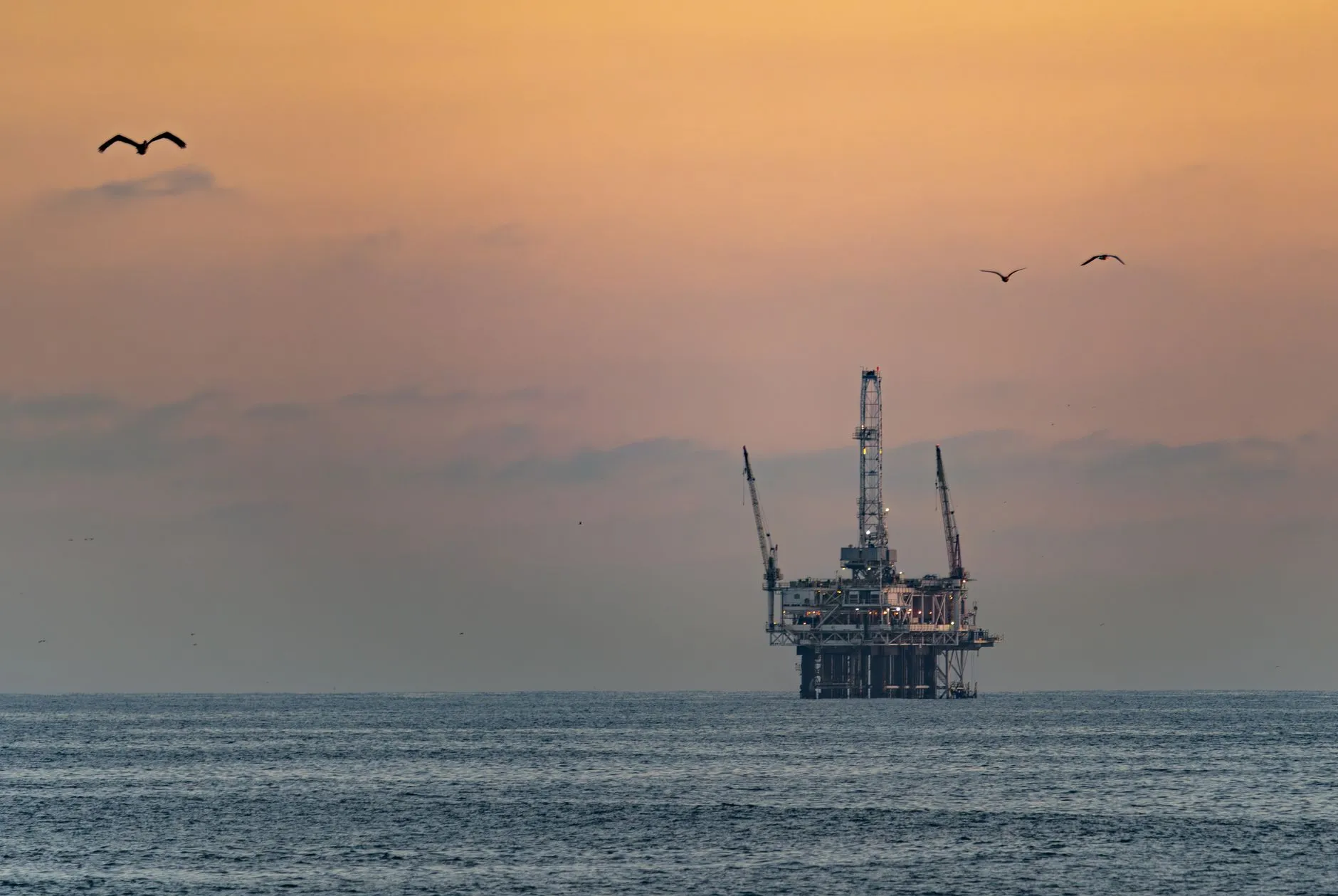
Global carbon dioxide emissions from fossil fuels are expected to fall by 0.4% in 2026. This marks the first annual decrease since the COVID-19 pandemic. However, the reduction reflects two very different forces at work.
On one hand, solar and wind power are expanding rapidly. Electric vehicles are becoming more common. Clean energy is starting to meet new demand without burning more coal, oil and gas. On the other hand, the conflict with Iran has pushed fuel prices higher and restricted supply. That price shock has reduced oil consumption in ways that have little to do with climate policy.
The result is a decline that matters, but one that may not last. If fuel markets stabilise, emissions could rise again. Meanwhile, total carbon dioxide emissions are still projected to reach a record high once land use and deforestation are included. The findings were released during COP31, the UN climate conference held in Antalya, Turkey, from 9 to 20 November 2026.
Emissions from oil, gas and coal in 2026
The Global Carbon Project has published its 2026 Global Carbon Budget. The report projects that fossil fuel emissions will total 38.2 billion metric tons of carbon dioxide this year. That represents a 0.4% decrease compared with 2025.
Oil-related emissions are expected to fall by 1.9%. This is the largest single contributor to the overall decline. Natural gas emissions are projected to drop by 0.3%. Coal emissions, by contrast, are expected to rise by 0.6%.
Regional patterns vary considerably. China's emissions are projected to fall by 0.9%. US emissions are expected to decline by 1.3%. European Union emissions are forecast to drop by 1.5%. Japan's emissions are projected to fall by 1%. India's emissions, however, are expected to rise by 4.4%. Emissions from the rest of the world are projected to decrease by 0.7%.
The US reduction is largely due to lower coal use. Coal consumption had increased the previous year during a period of high natural gas prices and cold weather. That temporary rise is now reversing.
Why fossil fuel emissions are declining this year
Two factors explain the projected decline. Firstly, clean energy is increasingly displacing fossil fuels. Solar and wind installations are growing quickly. Electric vehicles are taking a larger share of new car sales. Consequently, much of the world's rising energy demand is being met without burning additional fossil fuels.
The research estimates that about two-thirds of new energy demand is being supplied by renewables and electric vehicles rather than coal, oil or gas. Furthermore, projections suggest that solar, wind and electric vehicles could offset between 64% and 79% of emissions associated with new energy demand through 2028.
Secondly, the conflict with Iran has disrupted global energy markets. Restricted fuel availability has pushed prices higher. Higher prices have reduced demand. As a result, oil consumption has fallen. Joeri Rogelj of University College London stated that the war with Iran has resulted in restricted fuel availability and high prices, with a corresponding reduction in demand.
Judith Hauck of the Alfred Wegener Institute noted that, based on energy demand alone, fossil fuel emissions would otherwise have been expected to increase by approximately 0.8 billion metric tons. In other words, the decline is partly the result of a geopolitical shock rather than a deliberate shift in energy systems.
The reduction does not yet represent a lasting peak
This headline decline is significant. Nevertheless, it does not confirm that global fossil fuel emissions have entered a sustained downward trend. The study's authors caution that the 2026 reduction depends partly on exceptional circumstances.
Hauck warned that emissions could rebound if the conflict ends. This would mirror the pattern seen after COVID-19 lockdowns, when emissions recovered quickly once restrictions were lifted. Pierre Friedlingstein, director of the Global Carbon Budget Office at the University of Exeter, emphasised that a decline driven partly by geopolitical shocks is not a sustainable climate solution.
Global energy demand is still increasing. Clean energy is growing, but not yet fast enough to guarantee a continuing fall in fossil fuel emissions. Rogelj described the evidence as encouraging but urged faster progress. He warned that the clean energy transition must accelerate so that it is not overtaken by growth in energy demand.
The distinction matters for businesses. A temporary decline caused by war and price shocks offers no reliable foundation for planning. A structural decline driven by technology deployment, policy and investment does.
Total carbon dioxide emissions continue to rise
The improvement in fossil fuel emissions is offset by rising emissions from land use change. This category includes deforestation, peat fires and forest fires. Emissions from land use are expected to reach approximately 5.1 billion metric tons in 2026.
Drier conditions associated with El Niño are contributing to more carbon-releasing wildfires in some regions. Human-caused peat and forest fires add to the total. Consequently, total global carbon dioxide emissions, including both fossil fuels and land use change, are projected to reach a record 43.3 billion metric tons. This compares with 42.8 billion tons in 2025.
This distinction is important. Fossil fuel emissions reflect energy production and consumption. Land use emissions are strongly affected by deforestation, fire and ecosystem degradation. A decline in one category does not necessarily mean the atmosphere is receiving less carbon dioxide overall.
For UK businesses working on carbon reporting and net zero programmes, this highlights the need to account for total emissions across all sources. Focusing solely on energy-related reductions may obscure the broader picture.
What the numbers mean for UK businesses
The projected 0.4% decline demonstrates that clean technologies are already reducing the fossil fuel intensity of economic growth. However, the size of the reduction is small. Total emissions are still rising. Part of the fossil fuel decline depends on conflict-driven price increases rather than deliberate climate policy.
Several practical implications follow for UK small and medium-sized businesses. Firstly, energy price volatility is likely to persist. Geopolitical events can disrupt fuel markets quickly. Businesses that reduce their exposure to fossil fuels through energy efficiency and renewables will be better insulated from future shocks.
Secondly, clean energy deployment is accelerating globally. Solar, wind and battery storage are becoming more cost-competitive. Electric vehicle adoption is rising. These trends are reshaping supply chains, procurement decisions and customer expectations. Businesses that anticipate these shifts will be better positioned than those that wait.
Thirdly, emissions reporting requirements continue to tighten. UK companies supplying the public sector must demonstrate carbon reduction plans under PPN 06/21. Large companies are subject to mandatory climate-related financial disclosures. Understanding total emissions, including supply chain impacts, is becoming a core compliance requirement.
Fourthly, the remaining carbon budget for limiting warming to 1.5°C is estimated at 150 billion metric tons. At current emission levels, this represents fewer than four years. The window for achieving net zero is narrowing. Businesses that delay action face greater transition risks and higher future costs.
Finally, the divergence between fossil fuel and total emissions underscores the importance of addressing land use and deforestation. For businesses with agricultural or forestry supply chains, this means examining sourcing practices and considering nature-based solutions. Our nature investment programmes support businesses looking to address these issues.
Main findings from the Global Carbon Budget
- Fossil fuel carbon dioxide emissions are projected to fall by 0.4% in 2026, reaching 38.2 billion metric tons.
- Oil-related emissions are expected to decline by 1.9%, the largest contributor to the overall decrease.
- Coal emissions are projected to rise by 0.6%, while natural gas emissions are expected to fall by 0.3%.
- Total carbon dioxide emissions, including land use change, are projected to reach a record 43.3 billion metric tons.
- The remaining carbon budget for limiting warming to 1.5°C is estimated at 150 billion metric tons, equivalent to fewer than four years at current emission levels.
- Clean energy sources are projected to offset between 64% and 79% of emissions from new energy demand through 2028.
- Regional emissions trends vary, with India's emissions rising by 4.4% while China, the US, the EU and Japan all show declines.
How businesses should respond to these trends
The report's central implication is that economic disruption alone will not deliver the emissions reductions needed. A durable decline requires sustained expansion of clean energy technologies, energy efficiency measures and reductions in deforestation.
For UK businesses, this means taking a deliberate approach to carbon reduction. Waiting for external shocks to drive down emissions is neither reliable nor strategic. Instead, businesses should focus on actions within their control.
Energy procurement is a starting point. Switching to renewable electricity contracts reduces Scope 2 emissions immediately. Installing on-site solar generation can lower energy costs and improve resilience. Improving building insulation and upgrading heating systems reduce demand.
Transport and logistics also offer opportunities. Electric vehicles are increasingly viable for fleet operators. Route optimisation and modal shift can reduce fuel consumption. For businesses with complex supply chains, understanding Scope 3 emissions is essential. This includes freight, business travel and employee commuting.
Procurement decisions matter. Suppliers are increasingly being assessed on their carbon performance. Public sector tenders require carbon reduction plans. Private sector buyers are following suit. Businesses that can demonstrate credible emissions data and reduction targets will have a competitive advantage.
Training and capacity building are also important. Understanding how to measure, report and reduce emissions is becoming a core business skill. SBS Academy offers training on carbon literacy, Scope 3 reporting and sustainable procurement for businesses at different stages of the net zero journey.
Friedlingstein summarised the longer-term requirement clearly. The long-term answer remains the rapid deployment of clean energy technologies. The study concludes that a sustained global peak and decline in carbon dioxide emissions could be only a few years away, but only if the current pace of clean technology deployment accelerates.
Where to find further information
The Global Carbon Budget is produced by an international team of more than 140 scientists. It provides an annual assessment of global carbon sources and sinks using established, transparent methods. The full 2026 report is available from the Global Carbon Project.
For UK businesses seeking guidance on carbon reporting and compliance, the Department for Energy Security and Net Zero publishes resources on net zero policy and emissions reporting requirements. The Environment Agency provides regulatory guidance on environmental permits and emissions monitoring.
Information on public sector procurement requirements, including PPN 06/21, is available from the Cabinet Office. UK businesses can also access support through our compliance and carbon reporting services, which help small and medium-sized businesses meet regulatory requirements and prepare for net zero commitments.