
Ireland's Sustainable Beef and Lamb Initiative Targets Asia
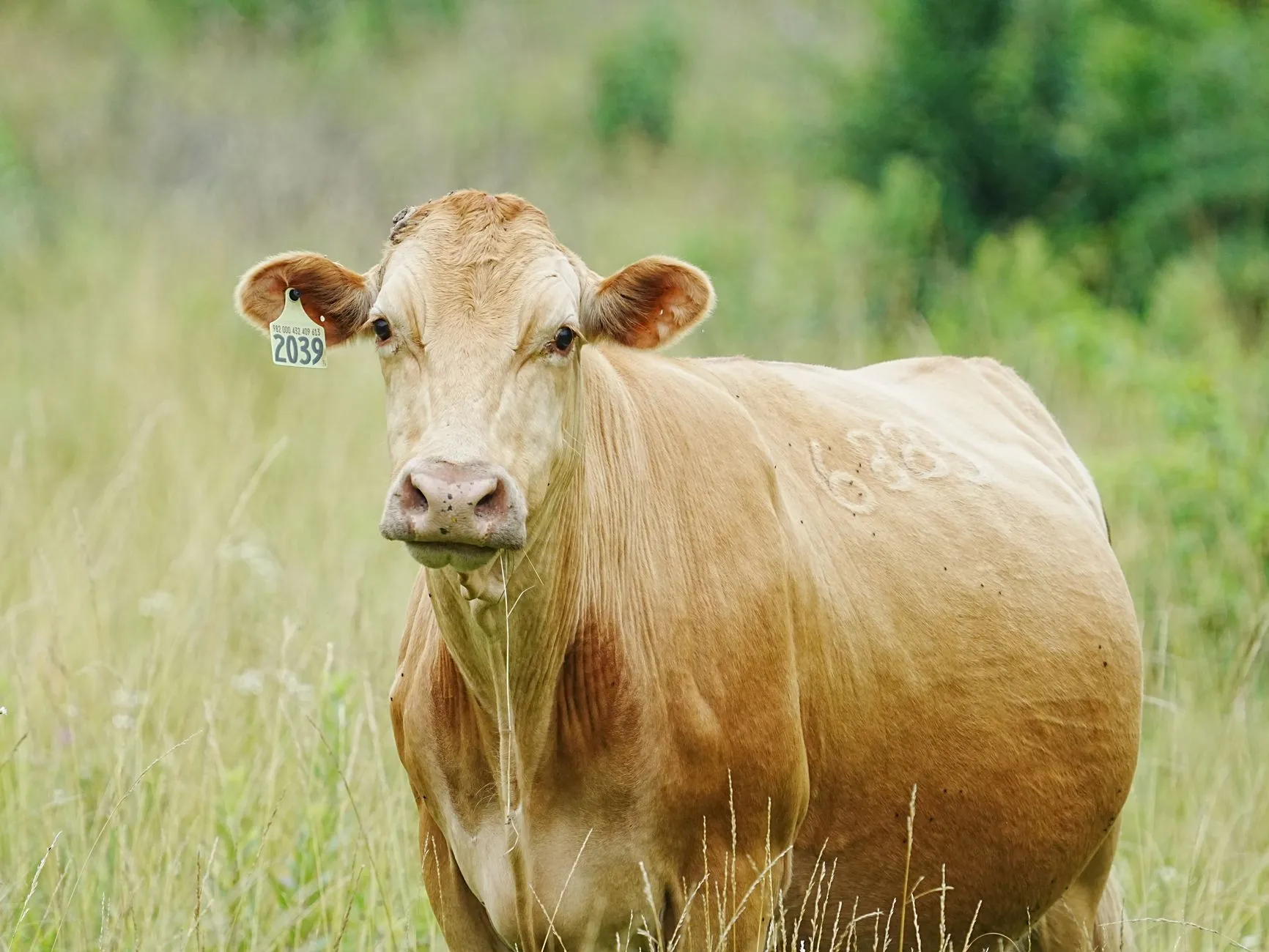
Ireland targets Asian premium markets with sustainability-backed beef and lamb campaign
Ireland is expanding its presence in high-value Asian meat markets by positioning grass-fed beef and lamb as premium products backed by verified sustainability standards. The strategy uses traceability, animal welfare credentials, and national environmental certification to differentiate Irish exports in Singapore, Japan, and China. This approach reflects a broader shift in global food trade, where measurable environmental performance increasingly influences purchasing decisions.
The latest campaign builds on Ireland's established Origin Green programme, which Bord Bia operates as a national sustainability verification system. For Irish exporters, the question is whether Asian buyers will pay premium prices for sustainability credentials. The three-year promotional effort, backed by EU funding, tests that proposition across markets where food safety, provenance, and audited standards matter more than broad marketing claims.
How Origin Green shapes Ireland's competitive position in Asia
Ireland has consistently marketed its agri-food sector around grass-based livestock systems. Origin Green provides the verification framework that supports those claims. Bord Bia describes it as the world's first national food sustainability programme, with annual verification of environmental and welfare standards across participating farms and processors.
This matters in Asia because importers and consumers increasingly demand credible proof of environmental performance. Generic sustainability messaging carries less weight than audited programmes with measurable outcomes. Bord Bia has previously stated that Ireland offers "an additional sustainability and quality guarantee that no other country is able to currently via our Origin Green programme."
The positioning creates commercial advantage in premium channels. Asian foodservice operators and upscale retailers value origin stories backed by trusted certification. For Ireland, that means competing on verified standards rather than commodity pricing. The strategy aims to convert national farming practices into export differentiation.
New three-year campaign launched across Singapore, Japan, and China
A programme titled "European Beef and Lamb – Sustainably from Ireland" launched in Singapore in August 2026 and runs through 2028. The initiative is co-funded by the European Union and Bord Bia, with total support between €3.45 million and €3.46 million. According to Irish government figures, the EU provides €2.77 million while Bord Bia contributes €0.69 million.
The campaign targets three markets: Singapore, Japan, and China. Each market receives tailored activations including chef collaborations, restaurant partnerships, trade seminars, and educational initiatives. Planned activities also include inward visits for importers to Irish farms and production facilities, where delegates can see grass-based production systems and sustainability operations firsthand.
In April 2026, Bord Bia and the EU formally launched the project in Hong Kong for the Chinese market. The announcement described Irish beef and lamb as high-quality, safe, traceable, and sustainable products. The project aims to deepen trade relationships and build consumer awareness across the region over three years.
Singapore's launch emphasized premium imported protein demand and the role of traceability in supply chains. Bord Bia stated the initiative would build awareness of "quality, food safety, traceability and sustainability credentials of Irish beef and lamb." The Irish government said the campaign would promote "sustainable European beef and lamb" and increase awareness of "high safety and quality standards" for EU products.
Why verified sustainability claims matter in Asian premium food markets
Asian premium food markets reward origin, safety, and verifiable standards. This is particularly true for imported meat, where consumers and trade buyers expect proof behind environmental and welfare claims. Generic branding carries less influence than measurable systems with audited results.
Ireland's approach combines promotional activity with technical validation. Farm visits and trade seminars link environmental claims to traceable production and measurable standards. This creates opportunities for Irish exporters to move beyond commodity competition and defend price premiums in channels where sustainability influences purchasing decisions.
The strategy reflects broader changes in global food trade. Producers face growing pressure to prove environmental and welfare claims through audited programmes, not just marketing language. For exporters, this creates both challenges and opportunities. Those with verified systems can access premium positioning. Those without face increasing difficulty competing on anything other than price.
Ireland's grass-fed production systems align with consumer expectations in Asian markets, where natural feeding practices and animal welfare standards carry commercial value. However, the key test is whether sustainability can consistently command premium pricing in markets where cost sensitivity remains significant. The campaign attempts to answer that question through proof-based messaging and direct engagement with importers, chefs, and retailers.
Core elements of Ireland's Asian market strategy
- The campaign runs from 2026 to 2028 across Singapore, Japan, and China, with total co-funding between €3.45 million and €3.46 million from the EU and Bord Bia.
- Core selling points include quality, food safety, traceability, sustainability, grass-based production, and animal welfare standards verified through Origin Green.
- Planned activities include chef collaborations, restaurant partnerships, trade seminars, educational initiatives, and inward visits to Irish farms and processing facilities.
- The initiative builds on Origin Green, which Bord Bia operates as a national sustainability verification programme with annual auditing of environmental and welfare performance.
- Ireland positions its beef and lamb as premium products differentiated by verified sustainability credentials rather than commodity pricing.
What Irish success in Asia could mean for UK livestock exporters
If Ireland's campaign succeeds, it could strengthen the country's foothold in Asian premium channels, particularly foodservice and upscale retail. Success would validate the approach of combining verified sustainability with origin branding. It would also demonstrate that measurable environmental standards can influence purchasing decisions in markets traditionally driven by price and food safety concerns.
For UK businesses, Ireland's strategy offers lessons about positioning sustainability as commercial advantage. The approach requires investment in verification systems, traceability infrastructure, and proof-based messaging. It also demands consistent engagement with trade buyers who can translate sustainability credentials into consumer-facing value.
The larger question is whether verified sustainability can consistently command price premiums across Asian markets. Ireland's answer involves promotional activity backed by farm visits, technical seminars, and measurable standards. This creates a framework where environmental claims connect to traceable production and audited performance.
UK exporters face similar pressures to prove environmental and welfare claims through credible verification. Those selling into premium channels or pursuing public sector contracts increasingly encounter sustainability requirements in tender criteria. Understanding how Ireland converts national farming practices into export advantage provides insight into market dynamics and buyer expectations.
The campaign also highlights the role of EU co-funding in supporting promotional activity. For UK businesses operating outside EU programmes, this raises questions about competitive positioning and available support for international marketing. Nevertheless, the core principle remains relevant: verified sustainability backed by measurable standards can differentiate products in markets where provenance and environmental performance influence purchasing decisions.
How sustainability verification affects tender criteria and supply chain requirements
Verified sustainability programmes increasingly appear in tender requirements, particularly for public sector contracts and corporate supply chains. Buyers ask suppliers to demonstrate environmental performance through audited systems rather than self-declared claims. This creates advantages for businesses with established verification frameworks.
For sustainable procurement support in supply chain management, the question is how to build credible evidence of environmental performance. Ireland's Origin Green programme provides one model: national-level verification with annual auditing and measurable outcomes. UK businesses pursuing similar positioning need comparable systems that demonstrate environmental standards through transparent, audited processes.
The commercial impact extends beyond marketing. Verified sustainability can influence supplier selection, contract awards, and access to premium channels. It can also affect pricing negotiations, where buyers increasingly differentiate between suppliers with credible verification and those without. Understanding these dynamics helps businesses assess whether investment in verification systems delivers commercial returns.
For companies working on carbon reporting and emissions reduction programmes, the Irish approach demonstrates how environmental credentials connect to market positioning. Grass-fed production, animal welfare standards, and traceability all contribute to Ireland's premium positioning in Asian markets. Similarly, UK businesses can use verified environmental performance to support differentiation strategies, provided claims are backed by measurable data and transparent auditing.
Where to find authoritative information on food sustainability standards and export support
Businesses seeking detailed information on sustainability verification for food exports can consult several authoritative sources. The Department for Environment, Food and Rural Affairs provides guidance on UK food standards, environmental regulations, and export requirements for agricultural products.
For information on international food standards and traceability systems, the Food Standards Agency offers resources on food safety, labelling requirements, and supply chain verification. The agency's guidance covers both domestic and export markets, including requirements for demonstrating provenance and production standards.
Exporters looking at Asian markets can access market intelligence and trade support through the Department for Business and Trade, which provides country-specific export guidance and information on market access requirements. The department's resources include details on tariffs, standards recognition, and regulatory requirements for food exports to Asian countries.