
Lithium produced in Cornwall used to make batteries for first time
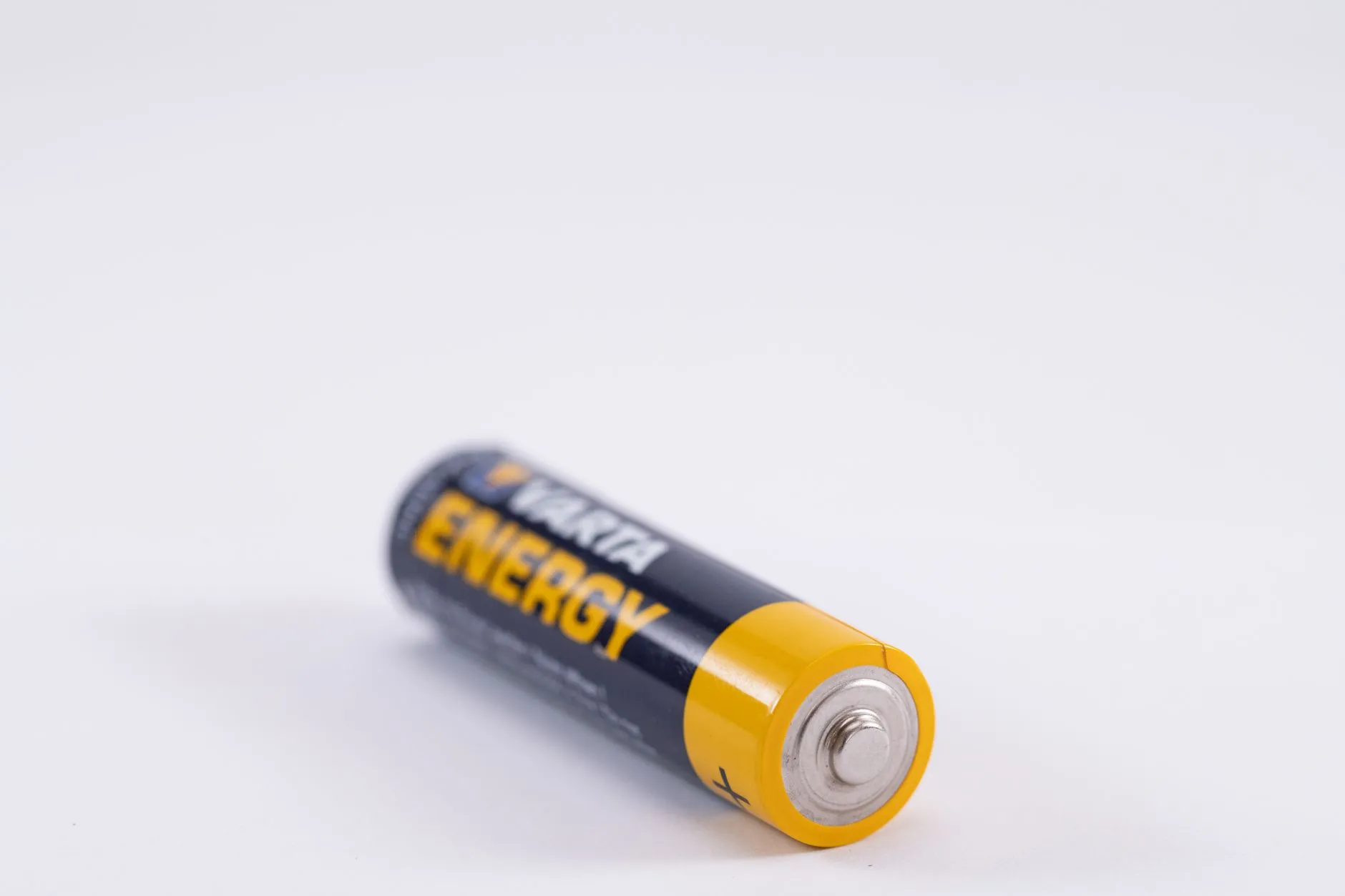
A Cornish mine has supplied domestically produced lithium for working batteries. The material, processed at a demonstration plant in Cornwall, met industry standards when tested independently. For UK businesses watching critical mineral supply chains, it marks a tangible step from extraction to usable battery components.
Cornish Lithium provided approximately two kilograms of battery-grade lithium hydroxide monohydrate to the Centre for Process Innovation for independent testing. CPI manufactured lithium-ion coin cell batteries using the material. Performance matched or exceeded cells made from commercially available lithium hydroxide. The ore came from the Trelavour project in Cornwall and was refined using the company's LiStract processing technology.
This matters because lithium hydroxide is a core component in batteries for electric vehicles, grid storage, and consumer electronics. Until now, UK manufacturers have relied entirely on imported battery-grade lithium. Therefore, demonstrating that British ore can be refined to battery specification addresses a key question about domestic supply chain viability.
The test remains small scale. However, it validates the technical pathway from granite ore to finished battery material within the UK. Refining has historically presented a greater challenge than extraction in critical mineral supply chains. Consequently, proving that domestic processing can deliver the required purity and performance carries weight beyond the modest volumes involved.
Cornwall's geology contains lithium in hard-rock granite deposits rather than the brine sources used elsewhere. Extracting lithium from hard rock demands different processing methods. Cornish Lithium's demonstration plant uses proprietary technology to convert ore into battery-grade lithium hydroxide monohydrate. The CPI testing confirmed that this output meets the electrochemical standards required for battery manufacture.
What the test results show about domestic production
The Centre for Process Innovation tested the Cornish material against established benchmarks. Cells performed within expected parameters for energy density, cycle life, and charge retention. In some measures, they exceeded comparable cells made from commercial lithium hydroxide. This suggests the processing route can deliver competitive material quality.
For businesses considering battery supply chains, the result provides evidence that UK-sourced lithium can meet manufacturing specifications. It does not yet demonstrate commercial viability at scale. Nevertheless, technical validation is a necessary precursor to larger production decisions. The test removes one area of uncertainty about domestic capability.
Cornish Lithium has stated ambitions for full-scale production at Trelavour by 2029. Earlier reports indicate the company has already produced battery-grade samples in Britain. This latest development extends that work by showing the material functions as intended in actual battery cells. Moving from sample production to independent cell testing represents progression along the development timeline.
The volumes remain modest. Two kilograms suffices for laboratory-scale coin cell manufacture but sits far below industrial battery production requirements. Scaling from demonstration to commercial output involves substantial capital investment, permitting processes, and market development. The test confirms the product works but does not address those commercial and regulatory hurdles.
Hard-rock extraction and processing in Cornwall
Cornwall's lithium deposits exist in granite, not the brine reservoirs common in South America and Australia. Hard-rock extraction requires mining and crushing ore before chemical processing. The LiStract technology developed by Cornish Lithium handles this conversion at the demonstration plant. The process must deliver high purity to meet battery-grade specifications, which typically require lithium hydroxide monohydrate with minimal contaminants.
Refining represents a critical bottleneck in battery material supply chains. Many countries can extract lithium ore but lack domestic refining capacity. China currently dominates global lithium refining, creating concentration risk for manufacturers outside that supply chain. Establishing UK refining capability therefore carries strategic weight beyond the immediate production volumes.
The demonstration plant operates at a scale suitable for testing and optimization rather than commercial supply. It allows Cornish Lithium to validate processing routes, refine techniques, and produce samples for customer evaluation. The CPI testing extends this validation by demonstrating that output from the plant performs in battery applications. This builds the technical case for scaling up production capacity.
Other lithium projects in Cornwall have also advanced recently, indicating regional momentum. British Lithium operates separately in the county and has progressed its own development work. Multiple projects suggest Cornwall could become a meaningful centre for UK lithium production. However, each project faces distinct technical, financial, and regulatory challenges before reaching commercial operation.
Battery supply chain implications for UK manufacturers
Electric vehicle manufacturers and battery producers currently source lithium hydroxide from international suppliers. Supply chains typically run through China for refining, even when ore originates elsewhere. This creates exposure to geopolitical risk, price volatility, and carbon emissions from long-distance transport. A domestic source addresses some of those concerns.
For businesses tendering for public sector contracts, supply chain transparency and resilience increasingly feature in procurement criteria. Demonstrating UK content in battery materials could strengthen tender responses. Similarly, carbon accounting for Scope 3 emissions may favour shorter supply chains with lower transport impacts. These commercial factors add to the strategic case for domestic lithium production.
The UK government has identified critical minerals as essential for energy transition and economic security. Policy support includes funding for exploration, processing technology, and skills development. Meanwhile, the Trelavour demonstration aligns with these priorities by showing that British lithium can progress beyond extraction into refined battery materials. Whether this translates into sustained commercial production depends on investment, permitting timelines, and market conditions.
Battery-grade lithium hydroxide monohydrate must meet strict specifications for purity, particle size, and trace element content. Manufacturers require consistent quality across large volumes. Demonstrating that a small batch meets these standards represents early-stage validation. Scaling to commercial volumes while maintaining quality requires further process development and quality control systems. The CPI testing confirms the material works but does not guarantee that scaled production will deliver the same results.
Pricing remains a significant question. Lithium markets have experienced substantial volatility in recent years. Domestic production must compete with established international suppliers on cost as well as quality. For UK manufacturers, the value proposition includes supply security and reduced geopolitical risk alongside price. How those factors weigh against potential cost differences will influence commercial adoption.
Supply chain position and timing considerations
Cornish Lithium's 2029 target for full-scale production at Trelavour sits several years away. In the interim, UK battery manufacturers will continue relying on imported lithium. The demonstration plant provides material for testing and customer engagement but not commercial supply. Therefore, the gap between technical validation and market availability remains substantial.
Battery production in the UK is expanding. Several gigafactories are under construction or planned, creating domestic demand for lithium and other battery materials. Timing matters: production capacity needs to align with demand growth. If Trelavour reaches commercial output as planned, it could supply UK manufacturers during a period of rising domestic battery production. Missing that window could reduce the commercial opportunity.
Planning permission, environmental assessment, and infrastructure development add time and complexity to mining projects. Cornish Lithium must navigate these processes while continuing technical development. Additionally, securing project financing for full-scale production requires demonstrating commercial viability to investors. The CPI testing strengthens that case by validating product quality but does not resolve all the questions investors will examine.
Skills and workforce development also matter. Operating a lithium processing plant requires specialized expertise in chemical engineering, process control, and quality management. Building that capability in Cornwall involves training and recruitment. The SBS Academy offers training on sustainability and environmental management relevant to businesses entering clean energy supply chains.
Key details about the Cornish Lithium demonstration
- Cornish Lithium supplied approximately two kilograms of battery-grade lithium hydroxide monohydrate to the Centre for Process Innovation for independent testing.
- The Centre for Process Innovation manufactured lithium-ion coin cell batteries using the Cornish material and evaluated their electrochemical performance against commercial benchmarks.
- Test results showed performance in line with, and in some cases exceeding, cells made from commercially available lithium hydroxide monohydrate.
- The material came from hard-rock granite ore mined at the Trelavour project in Cornwall and processed using Cornish Lithium's LiStract technology at its demonstration plant.
- Cornish Lithium has stated ambitions for commercial-scale production at Trelavour by 2029, though this remains subject to financing, permitting, and further development.
- The demonstration represents a step from extraction to usable battery material within the UK but does not yet constitute commercial battery production.
- Cornwall hosts multiple lithium projects at various stages of development, indicating potential for the region to become a centre for domestic critical mineral production.
Considerations for businesses in battery supply chains
Manufacturers and businesses involved in electric vehicle supply chains should monitor UK lithium developments for several reasons. First, supply chain resilience continues to feature prominently in risk management and procurement decisions. A domestic lithium source reduces dependency on international suppliers and shortens logistics chains. Second, carbon accounting requirements increasingly extend to Scope 3 emissions. Locally sourced materials can reduce transport-related emissions and simplify carbon reporting.
Public sector procurement criteria have evolved to include supply chain transparency and UK content. Companies bidding for government contracts may find domestic sourcing strengthens their position. Our sustainable procurement support helps businesses navigate these requirements and build competitive tender responses. Understanding how critical mineral sourcing affects procurement scoring can influence strategic decisions about supply partners.
Businesses should also consider the timeline. Commercial production from Trelavour remains years away. However, establishing relationships with emerging domestic suppliers early may provide advantages as production scales. Companies that engage during development can influence specifications, secure future supply agreements, and position themselves as early adopters of UK battery materials. This requires balancing current sourcing needs against potential future opportunities.
The broader context includes UK industrial strategy for clean energy and critical minerals. Government support for domestic battery production creates potential incentives, funding opportunities, and policy frameworks that favour local supply chains. Businesses should track policy developments alongside technical progress at projects like Trelavour. Changes in regulation, funding availability, or procurement requirements can shift the commercial case for domestic sourcing.
For companies reporting on carbon emissions and environmental impact, supply chain transparency matters. Understanding where battery materials originate, how they are processed, and what environmental standards apply helps meet reporting obligations. Our compliance services for carbon reporting support businesses in documenting supply chain emissions and meeting regulatory requirements. As scrutiny of battery supply chains intensifies, being able to demonstrate responsible sourcing becomes increasingly valuable.
Risk management also extends to price volatility. Lithium markets have experienced significant price swings in recent years. Diversifying supply sources can mitigate exposure to single-supplier or single-region pricing dynamics. While domestic production does not eliminate price risk, it may provide more stable contractual arrangements and reduce exposure to international market fluctuations. Businesses should assess how supply diversification fits their risk management strategies.
Where to find further information on UK lithium and critical minerals
The Department for Energy Security and Net Zero publishes the UK Critical Mineral Strategy, which outlines government policy and support for domestic production. This includes funding programmes, regulatory frameworks, and strategic priorities for critical minerals including lithium. Businesses exploring opportunities in battery supply chains should review this document for context on policy direction and available support.
The British Geological Survey provides data and analysis on UK mineral resources, including geological assessments of lithium deposits in Cornwall and elsewhere. Their research offers technical background on domestic mineral potential and extraction challenges. Companies evaluating UK sourcing options can use this information to understand resource availability and geological constraints.
For businesses considering how battery supply chains affect carbon reporting and net zero commitments, the UK Net Zero Strategy sets out the policy framework within which battery production and critical mineral supply chains operate. Understanding how supply chain decisions connect to wider decarbonization targets helps businesses align procurement with carbon reduction goals.
The Centre for Process Innovation, which conducted the independent testing of Cornish Lithium's material, provides information about battery development and testing services. Their work supports companies developing battery materials and technologies in the UK. Businesses involved in battery innovation or supply chain development may find their capabilities relevant.
Trade bodies such as the Society of Motor Manufacturers and Traders and industry groups focused on battery technology also track developments in UK lithium production. Staying informed through industry channels helps businesses anticipate supply chain changes and identify emerging opportunities in the domestic battery sector.