
Low-embodied carbon steel cladding system developed by Firth Steels
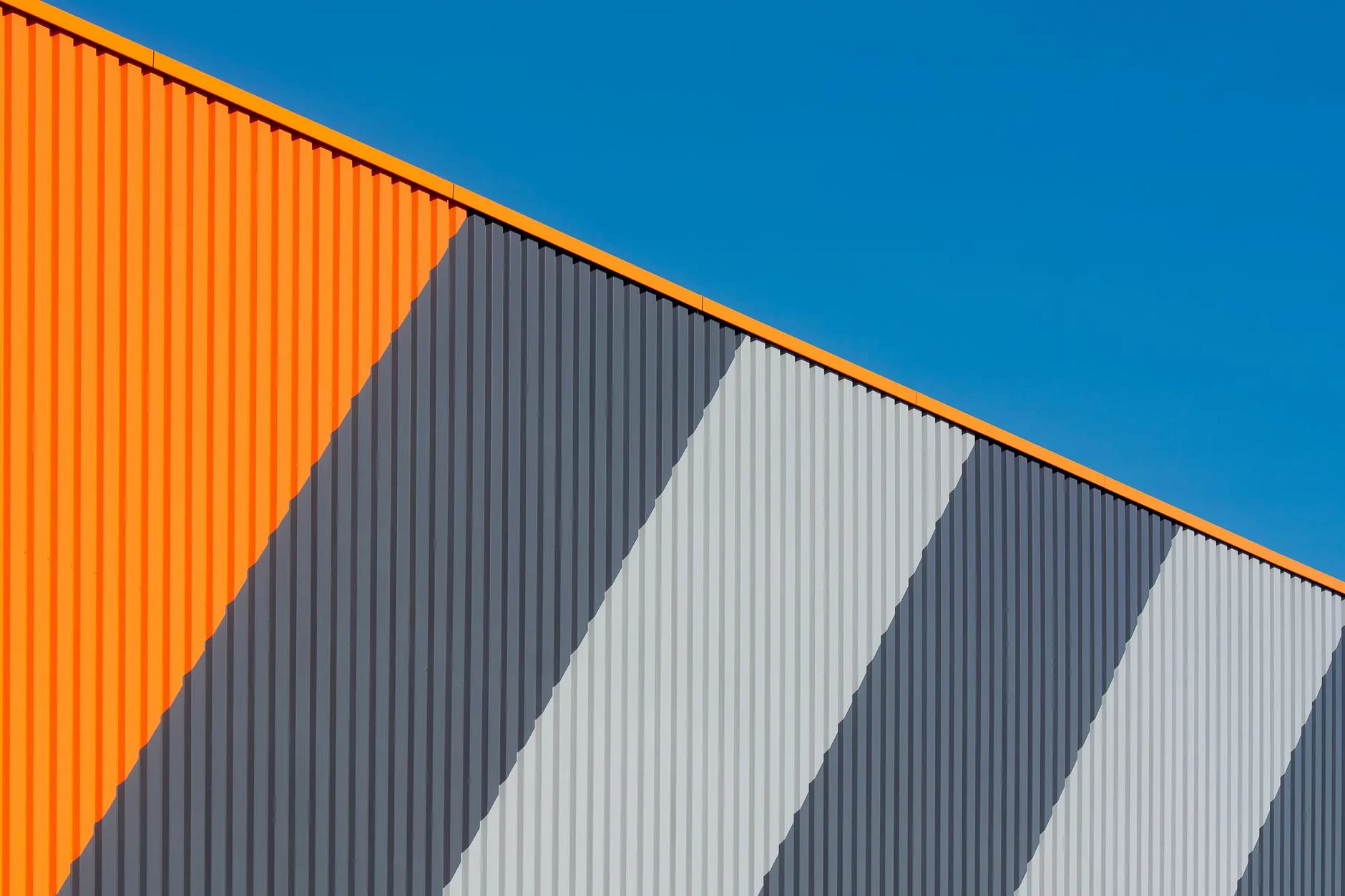
Building envelopes represent one of the largest embodied carbon loads in new construction. Cladding and roofing materials, particularly those made from carbon-intensive metals, lock in emissions long before a project hands over. Consequently, specification decisions at design stage now carry greater weight than ever for firms working to meet net-zero targets or qualify for low-carbon procurement frameworks.
The UK Green Building Council has published a certified roofing and cladding system that uses 100% recycled electric arc furnace steel and biobased finishes. The organization reports that the system can achieve up to a 99.9% reduction in production-related carbon emissions when compared with conventional methods. This development matters because it moves embodied carbon reduction from theory into practical specification, offering project teams a verified alternative to high-carbon envelope products.
For UK businesses involved in construction, property development, or facilities management, the system provides a tangible example of how material choices influence whole-life carbon performance. Moreover, it illustrates the growing importance of product-level environmental declarations in procurement decisions, particularly where public sector contracts or tenant sustainability requirements apply.
Recycled steel and biobased finishes deliver measurable carbon savings
The cladding system relies on electric arc furnace steel, which uses recycled scrap metal rather than virgin iron ore. This manufacturing route cuts production emissions substantially. Electric arc furnaces operate at lower temperatures than traditional blast furnaces and avoid the coal-based reduction process that drives carbon intensity in primary steelmaking. As a result, recycled steel starts with a far lower carbon baseline.
Biobased finishes replace conventional coatings that typically rely on petrochemical feedstocks. While the precise formulation varies by manufacturer, biobased coatings generally derive from renewable plant materials and carry lower production emissions. Together, these two design choices reduce the embodied carbon of the finished product by up to 99.9% compared with systems that use virgin steel and synthetic finishes.
The UK Green Building Council has verified the system through its framework for life cycle assessment and Environmental Product Declarations. This means the carbon data has been independently reviewed and published in a standardized format. Project teams can therefore compare the system's environmental performance directly against conventional cladding products during procurement.
Independent verification also reduces greenwash risk. In an industry where carbon claims are increasingly common, third-party certification provides assurance that figures reflect measured emissions rather than marketing estimates. This distinction becomes critical when firms need to justify specification decisions to clients, investors, or regulatory bodies.
Embodied carbon now shapes procurement and compliance decisions
Embodied carbon refers to all greenhouse gas emissions associated with materials and construction processes across a building's life cycle. This includes extraction, manufacturing, transport, construction, maintenance, and end-of-life treatment. Unlike operational carbon, which relates to energy use during occupation, embodied carbon is locked in before a building opens.
Façades and cladding contribute a significant share of total embodied carbon, especially in projects with large envelope areas or high-rise structures. Steel cladding systems have historically carried high carbon loads because primary steel production is energy-intensive and coal-dependent. Recycled content offers a direct route to lower emissions without requiring new process technologies or future innovations.
The UK Green Building Council has emphasized whole-life carbon assessment for several years through guidance documents, roadmaps, and case studies. Its framework recommends that project teams undertake carbon assessments early in design, disclose results by building element and material, and use the data to inform procurement decisions. This approach ensures that carbon reduction becomes a design driver rather than an afterthought.
Public sector buyers are particularly attentive to embodied carbon. Procurement Policy Note 06/21 requires central government suppliers to publish carbon reduction plans and report emissions across their supply chains. Furthermore, major public bodies now request whole-life carbon assessments as part of tender submissions. Specifying lower-carbon cladding systems can therefore improve bid competitiveness and demonstrate alignment with net-zero policies.
Private sector clients are also raising expectations. Institutional investors and commercial tenants increasingly ask for buildings with verified low-carbon credentials. Developers who can document lower embodied carbon in building envelopes gain a market advantage. In addition, environmental, social, and governance reporting frameworks now require detailed disclosure of construction-related emissions, making product-level data essential.
Material reuse and recycled content reduce steel's carbon intensity
Steel remains one of the most carbon-intensive materials in construction. However, its impact varies dramatically depending on production method and recycled content. Primary steel made in blast furnaces emits around 2.3 tonnes of CO2 per tonne of finished product. Electric arc furnace steel, which uses recycled scrap, typically emits 0.4 to 0.7 tonnes of CO2 per tonne. Reused steel, which avoids remanufacturing entirely, can deliver a 97.5% reduction in embodied carbon compared with new material.
The UK Green Building Council highlights these differences in its embodied carbon guidance. It notes that specifying recycled or reused steel can sharply reduce a project's total carbon footprint without changing structural design or performance requirements. For cladding applications, where structural loads are modest and dimensional tolerances are manageable, recycled steel is particularly well suited.
Electric arc furnace production also benefits from cleaner electricity grids. As the UK grid decarbonizes, the carbon intensity of electric arc furnace steel will continue to fall. This creates a compounding effect where recycled steel not only starts with lower emissions but also improves over time as grid carbon factors decline.
However, supply chain transparency remains a challenge. Not all recycled steel is equal. Carbon intensity depends on scrap source, furnace efficiency, electricity carbon intensity, and transport distance. Therefore, product-level Environmental Product Declarations become critical for verifying actual emissions rather than relying on industry averages or generic claims.
Verified low-carbon cladding in numbers
- The system is a fully certified roofing and cladding envelope product verified through the UK Green Building Council's life cycle assessment framework.
- It uses 100% recycled electric arc furnace steel, avoiding the high-carbon blast furnace route that dominates primary steel production.
- Biobased finishes replace conventional petrochemical coatings, further reducing production emissions across the supply chain.
- Production-related carbon emissions can be reduced by up to 99.9% compared with conventional cladding systems that use virgin steel and synthetic finishes.
- The UK Green Building Council recommends that whole-life carbon assessments quantify cladding emissions in kilograms of CO2 equivalent by element and material to support informed procurement decisions.
Specification teams should integrate embodied carbon into design stage decisions
For architects, engineers, and quantity surveyors, the availability of verified low-carbon cladding products changes the specification process. Embodied carbon can no longer be treated as a post-design consideration or a compliance checkbox. Instead, it becomes a core design parameter alongside cost, performance, and aesthetics.
Early engagement with suppliers is essential. Requesting Environmental Product Declarations during concept design allows teams to compare carbon performance across competing systems before details are fixed. This front-loaded approach avoids the need for costly redesign later in the program and ensures that carbon reduction opportunities are not lost through default specification habits.
Procurement routes also matter. Design and build contracts that emphasize lowest capital cost can inadvertently favor high-carbon materials if carbon is not explicitly valued in the tender criteria. Conversely, contracts that include carbon budgets or score carbon performance in bid evaluation encourage contractors to propose lower-carbon alternatives. Our sustainable procurement support helps firms embed carbon criteria into tendering processes without adding administrative burden.
Facilities teams should consider end-of-life planning during specification. Cladding systems designed for disassembly and reuse extend the carbon benefit beyond a single building cycle. Steel is infinitely recyclable, but only if it is recovered and sorted effectively. Specifying demountable fixing systems and avoiding composite materials that are difficult to separate improves the likelihood that materials will re-enter the supply chain rather than heading to landfill.
Training also plays a role. Design teams need to understand how to read Environmental Product Declarations, interpret carbon data, and apply it to project-specific assessments. The SBS Academy offers training on embodied carbon measurement and sustainable specification, equipping professionals to make informed decisions based on verified data rather than marketing claims.
Clients should ask for whole-life carbon reporting as standard. This includes embodied carbon from materials and construction, operational carbon from energy use, and end-of-life carbon from demolition and waste treatment. Transparency at this level enables better strategic decisions about refurbishment versus new build, material selection, and long-term asset management.
Independent resources for embodied carbon guidance and standards
The UK Green Building Council publishes detailed guidance on embodied carbon measurement and reduction in the built environment. Its resources include frameworks for whole-life carbon assessment, case studies, and sector roadmaps. Visit the UK Green Building Council website for technical guidance and policy updates.
The Department for Energy Security and Net Zero oversees UK climate policy and sets the strategic direction for emissions reduction across all sectors, including construction. The department's publications explain how embodied carbon fits within national net-zero commitments. See gov.uk for policy documents and consultation responses.
The Institution of Structural Engineers has published guidance on reducing embodied carbon in structural design, covering material selection, reuse, and design optimization. This complements building envelope guidance and helps project teams address carbon across all elements. Access resources at the Institution of Structural Engineers website.
For businesses seeking support with carbon measurement and compliance, our ESG compliance services cover carbon reporting, supply chain assessment, and regulatory alignment. We work with SMEs to turn carbon data into practical specification and procurement decisions that meet both client requirements and regulatory expectations.