
The O2 Achieves 27% Reduction in Carbon Emissions Through Clean Energy
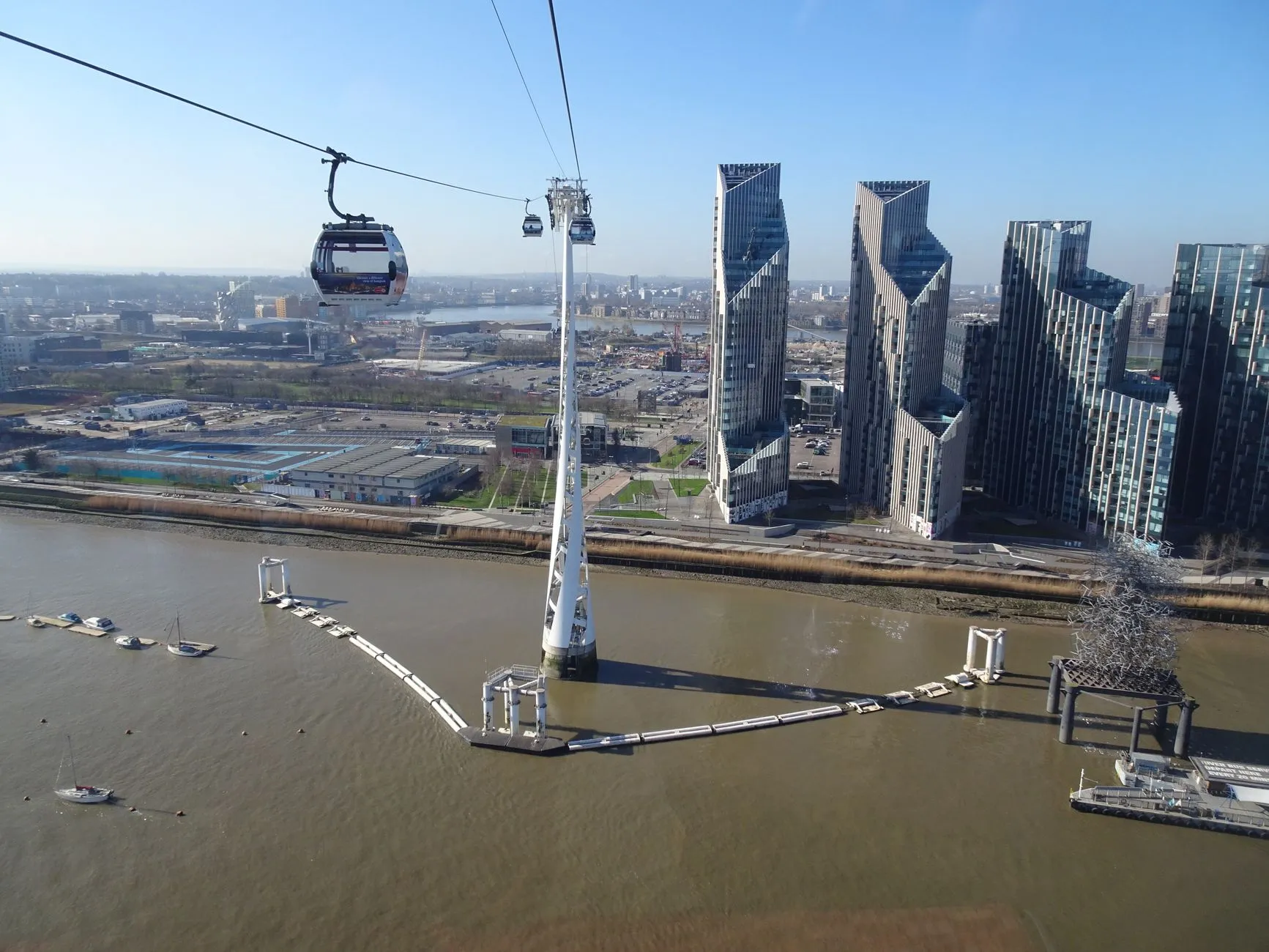
A major entertainment venue in London has shown how buildings can lower their carbon footprint without sacrificing capacity or visitor experience. The O2 arena, operated by AEG Europe, has introduced renewable electricity contracts, replaced fossil fuel equipment with electric alternatives, and upgraded lighting and heating systems. These changes reflect wider pressure on event venues to address emissions from energy use, waste, catering, and visitor transport.
However, the venue's own figures reveal a challenge that infrastructure improvements alone cannot solve. Fan travel generates far more carbon dioxide than the building itself.
The numbers come from a 2024 pilot involving four concerts by The 1975. Arena operations accounted for just under 4% of emissions each night. Audience journeys to and from the venue made up more than three quarters of the total footprint. That gap highlights why measuring progress purely on building energy can give an incomplete picture of environmental impact for live events.
Power contracts linked to UK renewable projects
The O2 now sources electricity through a Power Purchase Agreement with Ecotricity. According to the venue, this arrangement links supply to specific solar and hydro projects in the United Kingdom. The model differs from purchasing unbundled certificates because it supports identifiable renewable generation capacity.
AEG's sustainability reports indicate The O2 first switched to 100% renewable electricity in 2015. That transition reportedly cut emissions by approximately 30,000 tonnes at the time. The current agreement builds on that foundation by tying procurement to particular generation assets.
Energy efficiency measures have accompanied the power switch. LED lighting and screens now replace older systems throughout the building. Heating and cooling equipment has been upgraded. Gas-powered kitchen appliances are being replaced with electric models. Together, these changes saved more than 300,000 kilowatt hours in 2023. The venue estimates this figure equals the annual electricity consumption of around 108 UK households.
Electric vehicles deployed across site operations
AEG has introduced electric vehicles for deliveries and other daily tasks at The O2. Electric machinery is also in use across the site. Charging infrastructure has been expanded to support the transition. Electric forklifts are planned for wider deployment in 2025, extending the shift from passenger and delivery vehicles to heavier operational equipment.
These changes target direct fossil fuel emissions from the arena's own activities. Nevertheless, they address a relatively small portion of the overall carbon footprint generated by events. The pilot study involving The 1975 concerts found that electricity use and staff travel were the main contributors within the 3.95% share attributed to arena operations.
Consequently, while electric vehicles reduce emissions the venue controls directly, they represent only one component of a broader emissions profile that extends well beyond the building perimeter.
Public transport access limits control over audience travel
Fan travel accounted for 75.7% of nightly carbon emissions during the four-concert pilot in February 2024. This finding underscores a fundamental challenge for venues: operational improvements can substantially reduce building-related emissions, yet total event emissions may remain high because thousands of people travel to each show.
The O2 is served by the London Underground, Docklands Light Railway, buses, and river services. Despite this public transport access, actual travel choices depend on factors including event timing, audience location, ticket pricing, and individual preferences. Venues can encourage lower-carbon transport, but they cannot mandate it.
The venue's sustainability website acknowledges fan travel as the majority of its carbon footprint. This recognition highlights why infrastructure upgrades must be paired with data collection, transparent accounting, and incentives for lower-carbon mobility. Without addressing audience journeys, building-level improvements will have limited impact on total event emissions.
Carbon removal pilot tied to ticket pricing
In February 2024, The O2 hosted four concerts described as the world's first carbon-removed arena events. The project, developed with CUR8 and A Greener Future, removed 136.46 tonnes of carbon dioxide equivalent per show. Total removal across the series reached 545.9 tonnes.
The removal portfolio included enhanced rock weathering and biochar, both methods intended for durable carbon storage. Each ticket included a 90p contribution toward removing emissions from audience travel. The venue and partners covered additional costs. AEG compared the result to the annual electricity consumption of 395 average homes.
This project did not eliminate the emissions produced by the concerts. Instead, it measured total emissions and then removed an equivalent quantity afterward. That distinction matters because carbon removal is generally considered a complement to direct emissions reductions, not a substitute for cutting energy use and fossil fuel consumption at source.
Moreover, the longer-term value of such projects depends on whether they can be independently verified, scaled affordably, and accompanied by deeper reductions in travel and production emissions. Without continued cuts in actual emissions, removal alone risks becoming a way to maintain existing practices rather than transforming them.
Waste management and reusable systems introduced
The O2 has installed a permanent reusable cup system. Electric cup-washing equipment powered by renewable electricity supports the programme. New waste-sorting facilities operate in both public-facing and back-of-house areas. These measures target single-use items and improve recycling rates.
AEG has also introduced a "Green Rider" for artists and touring promoters. The document offers guidance on making lower-impact choices involving equipment, materials, waste, and carbon measurement. This approach recognises that venues share responsibility for event emissions with performers, production teams, and promoters.
Food-service emissions remain a focus area. This category includes energy use in kitchens, ingredient sourcing, packaging, and waste. Gas-powered kitchen equipment is being replaced with electric models, reducing direct fuel use. However, emissions from food production and supply chains extend beyond the venue's direct control.
Certification reflects breadth of environmental programme
In December 2024, The O2 received "Commended" status under the A Greener Arena certification programme. A Greener Future operates this scheme, which recognises venues demonstrating measurable improvements in reducing environmental and social impacts. The O2 had previously become the first venue in England to receive A Greener Arena certification in 2022. The progression to "Commended" status reflects the breadth of its recent programme.
Sam Booth, AEG Europe sustainability director, described the path to net zero as "constantly evolving." This statement signals that current measures form part of a continuing programme rather than a completed transition. It also acknowledges the complexity of addressing emissions across multiple areas, from building energy to audience travel.
Core facts about The O2's sustainability measures
- The O2 sources electricity through an Ecotricity agreement linked to solar and hydro projects in the UK.
- AEG reported that the venue completed its transition to 100% renewable electricity in 2015, reducing emissions by about 30,000 tonnes.
- Energy-saving measures delivered more than 300,000 kWh in savings during 2023, equivalent to the annual consumption of approximately 108 households.
- Electric delivery vehicles and machinery are in use across the site, with electric forklifts planned for wider deployment.
- Four concerts by The 1975 in February 2024 were supported by carbon removal totalling 545.9 tonnes across the series.
- Fan travel accounted for 75.7% of nightly emissions in a pilot study, while arena operations contributed just 3.95%.
- The venue received "Commended" status under A Greener Arena certification in December 2024.
Implications for UK businesses in events and hospitality
The O2's experience offers lessons for businesses managing buildings, events, or visitor experiences. Renewable electricity contracts and efficiency upgrades can deliver measurable emissions reductions. Electric vehicles cut direct fuel use. Waste systems and reusable items reduce single-use materials. These changes are within a business's direct control and can be implemented without compromising operations.
However, the data from The O2 also shows the limits of building-level action. For event venues, audience travel generates the majority of emissions. This means that businesses cannot rely solely on infrastructure improvements to reach net zero. They must also engage with transport providers, collect travel data, and consider incentives or information campaigns to influence visitor behaviour.
For businesses tendering for contracts or responding to client sustainability requirements, transparent carbon accounting becomes essential. Procurement processes increasingly ask suppliers to report Scope 1, 2, and 3 emissions. Venues and event businesses that measure total event footprints, including audience travel, will be better positioned to respond. Those that report only building energy may face questions about completeness.
Carbon removal projects, such as the pilot concerts at The O2, attract attention but also raise questions. Buyers and clients are likely to ask whether removal represents genuine additional climate benefit or whether it substitutes for deeper cuts in actual emissions. Businesses considering carbon removal should ensure projects are independently verified, clearly explained, and presented as part of a broader reduction strategy rather than as an alternative to it.
Certification schemes like A Greener Arena provide external validation and structure for improvement programmes. For businesses in events, hospitality, or facilities management, certification can support tender applications, demonstrate progress to clients, and identify areas for further action. However, certification alone does not guarantee commercial advantage unless it is accompanied by measurable reductions and clear communication.
Finally, businesses should recognise that sustainability requirements will continue to tighten. The O2's shift from initial renewable electricity adoption in 2015 to a comprehensive programme in 2024 illustrates how expectations evolve over time. Early action on energy efficiency, electric vehicles, and waste systems will position businesses to meet future requirements without scrambling to catch up.
Broader questions for the live events sector
The O2's programme demonstrates how a major venue can combine infrastructure investment with event-specific interventions. Renewable electricity and efficiency upgrades reduce recurring emissions from the building. Electric vehicles address direct fuel use. Reusable cups and improved sorting target waste. Carbon accounting exposes the much larger role played by audience travel.
Nevertheless, the figures also show why venue sustainability cannot be assessed only by looking at electricity consumption. Although operational emissions were a small share of the pilot concerts' total footprint, they remain among the areas the venue can control most directly. Audience transport, by contrast, requires cooperation among venues, artists, promoters, transport providers, ticketing platforms, and fans.
The carbon-removed concerts attracted attention because they linked measurement, ticket pricing, and carbon removal to a live event. Their longer-term value will depend on whether similar projects can be independently verified, scaled affordably, and accompanied by deeper reductions in travel and production emissions.
For the events industry, this raises questions about how to share responsibility for emissions. Should ticket prices routinely include carbon costs? How should removal be verified and reported? What role should venues, promoters, and artists each play in reducing emissions from touring, production, and catering? These questions have no single answer, but The O2's experience suggests that progress requires action across multiple parties, not just venue operators.
Considerations for businesses managing emissions
Businesses reviewing their own carbon footprints can draw several practical conclusions from The O2's programme. First, renewable electricity procurement delivers immediate reductions in Scope 2 emissions and can often be arranged without major capital investment. Power Purchase Agreements linked to specific projects may offer stronger claims than unbundled certificates, particularly for businesses facing scrutiny on sustainability credentials.
Second, energy efficiency measures such as LED lighting, upgraded HVAC systems, and electric kitchen equipment reduce both emissions and operating costs. These investments typically have payback periods and can be prioritised based on financial return as well as environmental impact. Businesses should assess which upgrades deliver the greatest savings relative to capital outlay.
Third, transport emissions often exceed building emissions, particularly for businesses that rely on visitor or customer travel. This applies not only to event venues but also to retail, hospitality, and service businesses. Measuring transport emissions requires data collection, which may involve surveys, transport provider data, or postcode analysis. Without measurement, businesses cannot set meaningful reduction targets or evaluate progress.
Fourth, carbon removal should be considered separately from emissions reduction. Removal projects may help businesses offset residual emissions, but they should not replace efforts to cut emissions at source. Businesses should prioritise direct reductions and use removal only for emissions that cannot feasibly be eliminated. Clear reporting on both reductions and removals will be essential for credibility with clients, investors, and regulators.
Finally, businesses should prepare for increasing disclosure requirements. The ESG compliance landscape is tightening, with new reporting obligations for medium and large businesses. Early adoption of carbon accounting, renewable energy procurement, and efficiency measures will reduce the burden of future compliance and position businesses to respond to client sustainability requirements.
Support for carbon reporting and net zero planning
Businesses facing sustainability requirements in tenders, supply chain audits, or regulatory filings need reliable carbon data and a clear reduction plan. SBS supports UK businesses with carbon reporting and net zero programme development, helping SMEs measure emissions, identify reduction opportunities, and meet compliance requirements such as PPN 06/21 for public sector suppliers.
For businesses seeking to build internal sustainability knowledge, SBS Academy offers training on carbon measurement, Scope 3 emissions, and sustainable procurement. These resources help teams understand the technical requirements behind sustainability commitments and apply them to their own operations.
Where to find further information
The Department for Energy Security and Net Zero publishes guidance on renewable energy procurement, carbon accounting, and net zero planning for UK businesses. The department's resources include information on emissions reporting frameworks and support schemes.
A Greener Future operates the A Greener Arena certification programme, which provides a framework for venues seeking to measure and reduce environmental impacts. The programme's standards cover energy, waste, transport, and social sustainability.
The Institute of Environmental Management and Assessment offers professional guidance on environmental management systems, carbon reporting, and sustainability strategy. IEMA resources support businesses developing environmental programmes and meeting disclosure requirements.
For information on Power Purchase Agreements and renewable electricity contracts, Ofgem provides regulatory guidance and market information relevant to UK businesses.