
COP17 Highlights Global Ocean Protection Target Set for 2030 is Off Track
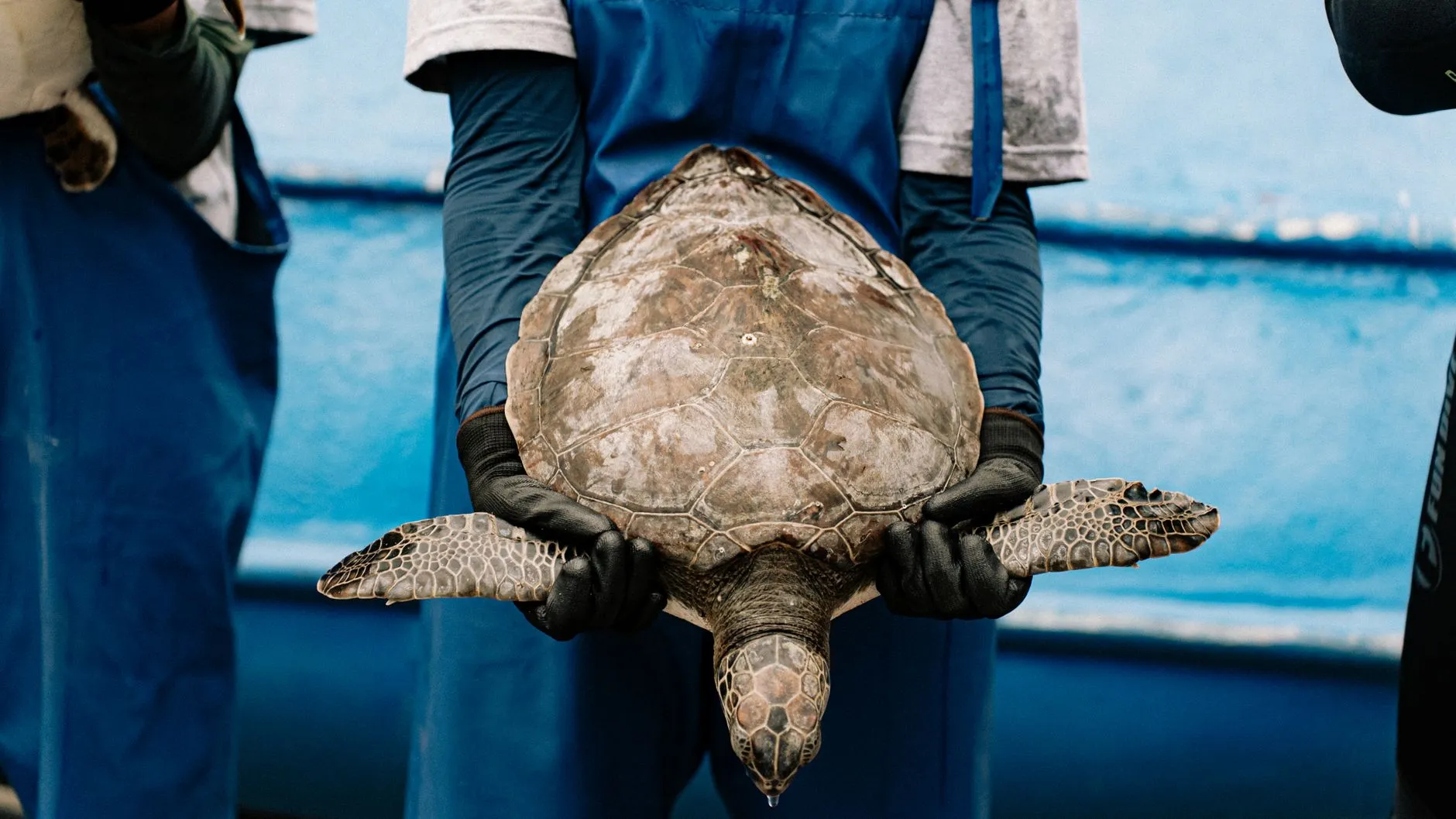
Global marine protection efforts are moving so slowly that the world will miss its ocean conservation deadline by more than two centuries. That's the stark warning from Greenpeace as UN delegates gather in Armenia to review progress on the international agreement to protect nature.
At the current pace, just 3.5% of the world's ocean enjoys full or strong protection from damaging activity. Consequently, the gap to the 30% target agreed in 2022 would take approximately 265 years to close. The deadline is 2030.
For UK businesses working in fisheries, shipping, offshore energy or coastal supply chains, this shortfall carries commercial weight. Marine protection affects access to fishing grounds, planning approvals for offshore projects, supply chain assurance requirements and increasingly the tender criteria set by public and private sector buyers.
Furthermore, companies with nature-related disclosure obligations under emerging UK regulations need to understand how international conservation frameworks connect to their reporting duties. The targets agreed at global level shape national policy, which in turn influences compliance timelines and operational constraints.
The Kunming–Montreal agreement and what it requires
In December 2022, governments adopted the Kunming–Montreal Global Biodiversity Framework at COP15 in Montreal. The agreement set 23 targets to halt and reverse biodiversity loss by 2030. Target 3, known widely as 30-by-30, commits countries to conserve and effectively manage at least 30% of terrestrial, inland water, coastal and marine areas by the end of the decade.
This commitment goes beyond simply marking areas on a map. Protected zones must be effectively managed, ecologically representative, well connected and governed in ways that respect Indigenous peoples and local communities. Simply designating an area offers little value if harmful activities continue unchecked.
The framework represents one of the most significant international commitments on nature conservation in recent years. However, political agreement and practical delivery remain far apart.
Current ocean protection sits at 3.5%, leaving a 26.5 percentage point gap
Greenpeace released its assessment as delegates convened for COP17, the UN biodiversity conference in Yerevan, Armenia. The organisation's report states that only 3.5% of global ocean is currently fully or highly protected from activities such as overfishing and deep-sea mining.
Based on the rate at which new protected areas are being established, closing the 26.5 percentage point gap would take until roughly 2290. The calculation is an extrapolation rather than a formal UN forecast, but it illustrates the scale of acceleration required.
The report, titled Well Connected, proposes a network of 17 fully protected ocean sanctuaries in the Atlantic. These sanctuaries would operate under the emerging global ocean treaty framework and focus particularly on migratory marine species that move through multiple jurisdictions.
Greenpeace called on governments to adopt what it described as "big, bold solutions" and to close the gap between political commitments and implementation urgently.
UN figures confirm progress is uneven and too slow
Broader UN data supports Greenpeace's warning. Secretary-General António Guterres acknowledged that since the 2022 agreement, an additional 1.3 million square kilometres of land and 6 million square kilometres of ocean have come under formal protection. Nevertheless, he described progress as uneven and far too slow.
Even if countries fulfil their existing commitments, projections suggest that only around 26% of terrestrial ecosystems and 12% of marine ecosystems would be protected by 2030. Both figures fall well short of the 30% target.
A UN-linked assessment indicates that roughly 10% of the global ocean currently has some form of protection, though the level and effectiveness vary considerably. Coastal waters under national jurisdiction have progressed further, with about 23% reported as protected. In contrast, much of the deep ocean remains outside effective conservation regimes.
This distinction matters. A designation on paper does not prevent destructive fishing, shipping impacts, seabed extraction or other pressures. Effective management, enforcement, financing and ecological connectivity are all necessary for protected areas to deliver meaningful conservation results.
What delegates agreed at COP17 in Yerevan
COP17 marks the first major opportunity for countries to conduct a collective review of implementation since the Kunming–Montreal framework was adopted. Leaders meeting in Yerevan adopted the Yerevan Declaration: Taking Action for Nature, reaffirming the goal of halting and reversing biodiversity loss by 2030.
The declaration recognises that existing collective efforts remain insufficient. It calls for faster implementation of all 23 targets, stronger national biodiversity strategies and action plans, greater cooperation between governments and improved environmental governance.
Specifically, the declaration emphasises more effective conservation and restoration of terrestrial, freshwater, coastal and marine ecosystems. It also highlights the need for additional financial and technical support for developing countries.
The conference examined regional approaches to marine conservation. The UN Environment Programme's Regional Seas Programme emphasised that cooperation between neighbouring countries can support marine protected areas, ecosystem-based management and the protection of ecological corridors across national boundaries.
Why ocean protection affects UK businesses and supply chains
Marine ecosystems absorb heat and carbon dioxide, support fisheries and coastal economies, and provide habitat for a large share of global biodiversity. These ecosystems face increasing pressure from warming, acidification, pollution, habitat destruction and overexploitation.
For UK companies, ocean protection measures translate into practical business considerations. Fishing businesses face changing access to traditional grounds. Offshore energy developers encounter longer planning processes and additional environmental assessments. Shipping companies must navigate new routing restrictions around protected areas.
Supply chain assurance also comes into play. Major buyers increasingly require suppliers to demonstrate environmental compliance and nature-positive practices. Consequently, companies that source seafood, coastal materials or marine-derived products face growing scrutiny over their sourcing policies.
Public procurement rules already include environmental criteria through measures such as PPN 06/21, which requires carbon reporting from larger suppliers. As carbon reporting obligations expand, nature-related disclosure is likely to follow a similar path.
Migratory species pose a particular governance challenge because they move through multiple jurisdictions and across the high seas. Protecting only isolated national waters may leave animals exposed during other parts of their migration routes. Greenpeace's proposed Atlantic sanctuary network attempts to address this problem by linking protection of habitats and migration corridors.
The shortfall also raises questions about the credibility of international environmental agreements. The 30-by-30 target was designed to provide a measurable and time-bound benchmark. If countries continue expanding protected areas at the present pace, or count areas that lack effective protection, the numerical target may be missed or achieved without delivering the ecological benefits intended.
Key obstacles blocking effective ocean conservation
- The gap between 3.5% of ocean fully or highly protected and the 30% goal remains substantial.
- Formal designation does not always prevent harmful activities or guarantee enforcement.
- Large areas beyond national jurisdiction require international cooperation under the new global ocean treaty.
- Developing states often need funding, technology and institutional support to establish and manage protected areas.
- Protected sites must function as networks rather than isolated areas to maintain ecological connectivity.
- Fishing, shipping, energy development and potential deep-sea mining can conflict with conservation objectives.
- Current national commitments point toward only 12% marine protection by 2030, well below the 30% target.
Why this matters for compliance and tender requirements
The international biodiversity framework shapes national policy, which then flows into regulatory requirements and procurement criteria. UK businesses should expect nature-related obligations to follow a similar trajectory to carbon reporting.
Large organisations already report under the Streamlined Energy and Carbon Reporting regulations. Similarly, companies bidding for public sector contracts above certain thresholds must publish carbon reduction plans. Nature-related disclosure is heading in the same direction.
The Taskforce on Nature-related Financial Disclosures provides a voluntary framework that mirrors the approach taken by climate disclosure standards. As this framework matures, expect mandatory requirements to emerge for larger companies, with supply chain implications for smaller suppliers.
Marine protection specifically affects businesses in coastal regions, those dependent on seafood supply chains, and companies involved in offshore operations. Understanding how global targets translate into UK regulations helps businesses plan for compliance deadlines and manage operational risk.
The new global ocean treaty, formally the Agreement under the UN Convention on the Law of the Sea on the conservation and sustainable use of marine biological diversity of areas beyond national jurisdiction, could provide a mechanism for creating protected areas in international waters. Its effectiveness will depend on ratification, implementation and governments' willingness to designate large, ecologically significant areas.
For businesses working across international marine areas, this treaty introduces a new layer of governance. Companies operating in fishing, shipping or offshore energy will need to monitor how protected area designations affect access and operational permissions.
What businesses should consider in response
The 265-year projection is not a formal UN forecast, but it illustrates the scale of acceleration required. Incremental expansion of protected areas will not meet a deadline only a few years away. That suggests policy changes are likely to accelerate, bringing faster regulatory shifts than current trajectories imply.
Businesses with marine-related operations should review how protected area expansion might affect access to resources, operational areas or supply chains. Companies sourcing from coastal or marine environments should assess whether current suppliers can demonstrate compliance with emerging conservation standards.
Those already working on carbon reduction and ESG compliance should consider how nature-related disclosure fits into existing reporting systems. Building nature considerations into environmental management systems now avoids retrospective work later.
For companies involved in public sector supply chains, monitoring how procurement criteria evolve remains important. Environmental requirements continue to expand, and early preparation supports competitive positioning when new tender criteria appear.
Training teams on emerging nature-related requirements helps build internal capacity. Understanding how biodiversity obligations connect to existing compliance work makes implementation more efficient and reduces duplication of effort.
Smaller businesses should pay particular attention to supply chain requirements cascading from larger customers. Even if direct regulatory obligations do not yet apply, customer requirements often drive change before formal regulations reach smaller enterprises.
Where to find authoritative guidance and updates
The Department for Environment, Food and Rural Affairs publishes UK policy on biodiversity and marine conservation. Their guidance documents explain how international commitments translate into national implementation.
The UN Convention on Biological Diversity website provides the full text of the Kunming–Montreal Global Biodiversity Framework and updates on COP17 outcomes. This source offers the most direct access to international policy developments.
For businesses needing to understand marine protection specifically, the Marine Management Organisation oversees marine planning and licensing in English waters. Their publications explain how protection measures affect offshore operations and coastal activities.
The Institute of Environmental Management and Assessment offers professional guidance on integrating nature-related considerations into environmental management systems. Their resources help businesses understand how biodiversity fits alongside carbon and other environmental obligations.
Regular monitoring of these sources helps businesses stay ahead of regulatory changes and understand how global agreements affect UK policy and commercial requirements.