
Oxfordshire road project could cut over 30 tonnes of carbon
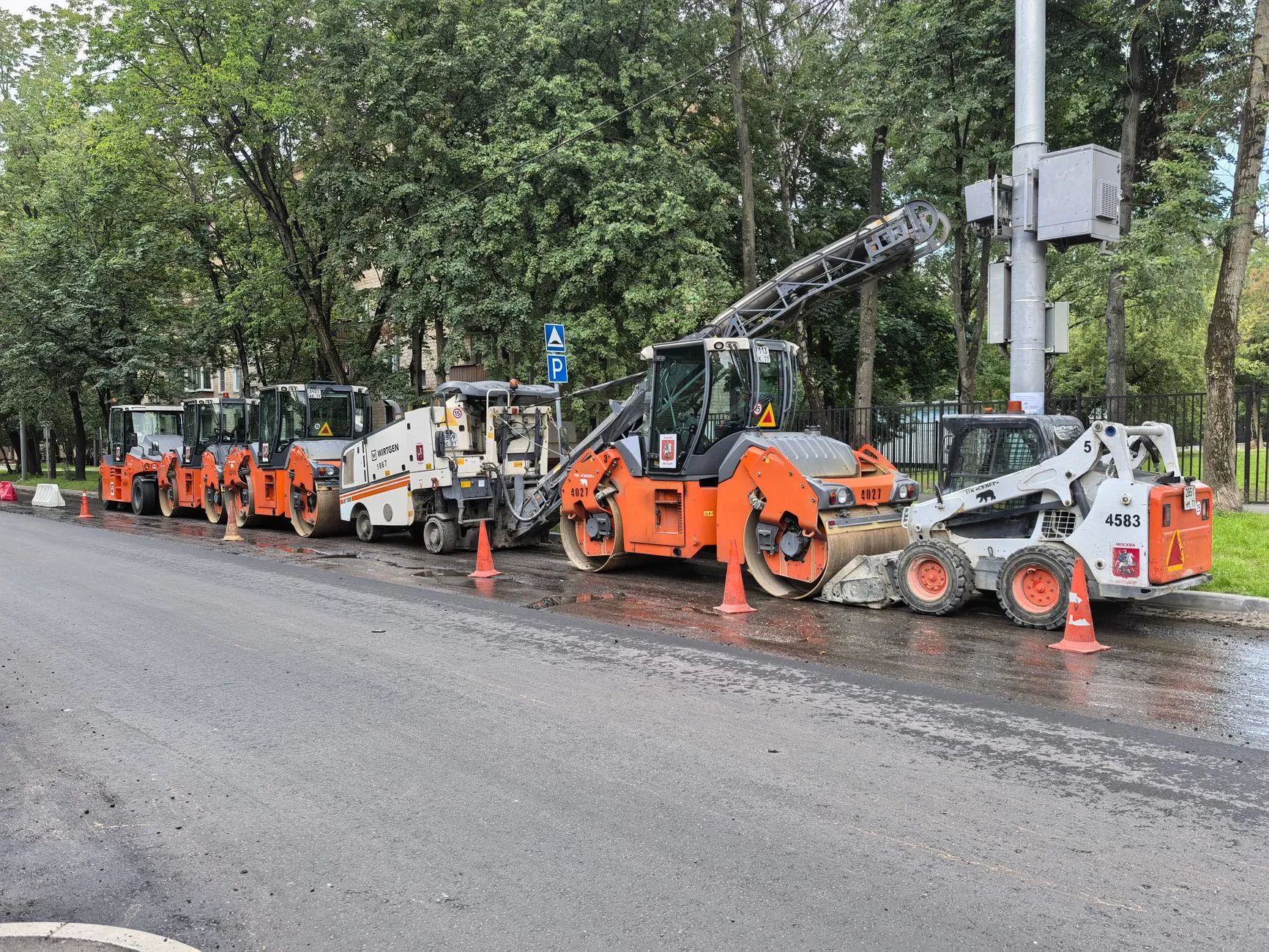
Oxfordshire County Council has started work on a resurfacing trial in Chinnor that uses five low-carbon construction techniques to cut emissions by more than 30 tonnes. The project on the B4445 tests a package of new materials and methods designed to reduce the carbon footprint of routine highway maintenance while extending road life and lowering future repair costs. For councils under pressure to decarbonise operations and manage tight budgets, the trial offers a practical test of whether greener road construction can deliver both environmental and financial returns.
Highway maintenance generates significant carbon emissions through material production, transport, and construction plant. Consequently, repeated resurfacing cycles across a road network create a substantial and ongoing carbon liability. Oxfordshire is using the Chinnor scheme to evaluate whether alternative materials and cleaner equipment can reduce that footprint without compromising performance or increasing costs over the asset's life.
The council has been testing lower-carbon highway techniques for several years. Previous trials included cold recycling methods that saved an estimated 75 tonnes of carbon and alternative surfacing materials with longer predicted lifespans. This latest project brings together multiple innovations in a single scheme to assess their combined effect on emissions, durability, and whole-life cost.
Five innovations tested in a single resurfacing project
The Chinnor trial uses five distinct measures to reduce carbon emissions and improve road longevity. M Group is delivering the work for Oxfordshire County Council. The scheme includes replacing the existing carriageway surface, renewing road markings, clearing verges, and improving drainage alongside the carbon-reduction measures.
The largest single carbon saving comes from substituting conventional asphalt with Breedon's ACLA Net Zero Binder Course. This material was developed specifically for the project and replaces the traditional binder course layer. Additionally, the scheme uses Shell Cariphalte ultra carbon sink polymer-modified bitumen, which aims to reduce embodied carbon in the bitumen component of the asphalt mix.
Thermal joint heating is being used to improve the durability of asphalt joints. This technique heats the edge of newly laid asphalt to create a better bond with the adjacent surface, reducing the risk of water ingress and premature failure at the seam. Better joints typically extend road life and reduce the need for early repairs.
Cold-applied MMA road markings replace conventional thermoplastic markings. These require no heating during application, therefore cutting energy use and emissions during installation. Furthermore, the project uses solar-powered welfare cabins to reduce reliance on diesel generators and electric plant machinery to eliminate tailpipe emissions during construction.
Traffic management for the project involves a full road closure in three phases with signed diversions. This approach allows faster, more efficient working compared with lane closures or temporary traffic lights, reducing the overall construction period and associated emissions from idling traffic.
Earlier trials show potential lifespan and carbon benefits
Oxfordshire has been testing low-carbon highway materials in other schemes across the county. In Marsh Lane and North Street, Middle Barton, the council trialled Gipave, an alternative surfacing material. According to the council, the earlier trial site showed a forecast 165% increase in lifespan and a 40% carbon saving over 20 years compared with conventional materials.
Cold recycling has also been used in recent programmes. This technique reuses existing road material on site rather than removing it and bringing in new aggregate. The council estimates that cold recycling saved around 75 tonnes of carbon in a recent maintenance programme by cutting haulage and reducing demand for virgin materials.
These earlier trials provide a foundation for the Chinnor project. However, the B4445 scheme is more comprehensive because it combines multiple innovations in a single project. This allows the council to assess whether the measures work effectively together and whether the combined carbon saving justifies any additional cost or complexity.
Data from these trials feeds into the council's highway maintenance strategy. If the materials perform well and deliver cost-effective carbon reductions, they are more likely to be adopted as standard specifications in future contracts. Conversely, if they fail to meet durability or cost expectations, the council can refine its approach before committing to wider use.
Hydrogen-powered maintenance vehicles and fleet decarbonisation
In addition to low-carbon materials, Oxfordshire is testing cleaner vehicle technology. In July 2024, the council introduced what it says is the first hydrogen-and-HVO dual-fuel highways maintenance truck used by a local authority in England. The vehicle is expected to cut tailpipe carbon emissions by around 30% to 40% compared with a diesel equivalent.
HVO, or hydrotreated vegetable oil, is a renewable diesel substitute made from waste fats and oils. It can be used in existing diesel engines with little or no modification. Hydrogen fuel cells provide additional power, further reducing reliance on fossil fuels. The council says the dual-fuel approach offers operational flexibility while cutting emissions.
Fleet decarbonisation is a separate but related element of the council's carbon reduction strategy. Highway maintenance vehicles often run for long hours and cover significant distances, so switching to lower-carbon fuels can deliver meaningful emissions savings. Moreover, using cleaner vehicles during construction reduces on-site emissions alongside the material-related carbon cuts being tested in the Chinnor trial.
The council's transparency report on highway maintenance identifies fleet emissions and construction plant as significant contributors to the carbon footprint of road works. Therefore, combining cleaner materials with cleaner vehicles addresses emissions from multiple sources within the same maintenance programme.
Carbon reduction, cost control, and asset management intersect
Road resurfacing is a recurring cost for every local authority. Surfaces degrade over time due to traffic loading, weather, and underlying ground movement. Consequently, councils must resurface roads on a cyclical basis to maintain safety and serviceability. This creates a predictable pattern of carbon emissions, material use, and public spending that repeats across the network.
Reducing the carbon intensity of each resurfacing cycle offers incremental savings that compound over time. For example, a 30-tonne carbon saving on a single project may seem modest, but applied across hundreds of schemes over a decade, the cumulative reduction becomes substantial. Similarly, extending road life by even a few years delays the next resurfacing intervention, cutting both emissions and cost.
Durability is therefore central to the business case for low-carbon materials. If a surface lasts longer, the council spreads its investment over more years and reduces the frequency of disruptive roadworks. This benefits road users, lowers whole-life cost, and reduces carbon emissions per year of service life. However, durability can only be proven through long-term monitoring, so trials like Chinnor are essential to gather performance data.
Cost remains a critical factor. Some low-carbon materials carry a higher upfront price than conventional alternatives. Nevertheless, if they extend road life or reduce future maintenance, the whole-life cost may be lower. Councils need evidence from real-world trials to justify any additional initial expenditure, particularly when budgets are under pressure.
For businesses tendering for public sector contracts, these trials signal a shift in specification priorities. Councils are increasingly asking suppliers to demonstrate carbon savings alongside cost and quality. Understanding how to quantify and deliver those savings is becoming a competitive requirement, not an optional extra.
What this means for suppliers and contractors working with local authorities
The Chinnor trial reflects a broader trend in public procurement. Local authorities are building carbon reduction into highway maintenance contracts, both to meet their own net-zero commitments and to comply with public sector procurement policies that prioritise environmental performance. Contractors who can offer lower-carbon solutions are therefore better positioned to win and retain work.
For suppliers of construction materials, the shift creates both opportunity and risk. Firms that invest in developing lower-carbon products can differentiate themselves in a competitive market. However, those products must perform at least as well as conventional alternatives, or councils will revert to established specifications. Performance data from trials like Chinnor will influence which materials gain traction and which fall out of favour.
Carbon accounting is also becoming more important. Contractors need to be able to quantify the carbon footprint of their proposed methods and materials, compare it with a baseline, and report savings accurately. This requires access to carbon data for materials, plant, and transport, as well as the capability to calculate embodied and operational emissions across a project lifecycle.
Furthermore, businesses working in the public sector should expect more scrutiny of their own carbon footprint. Councils are increasingly asking suppliers to demonstrate progress on their own net-zero targets and to provide evidence of emissions reductions across their supply chains. This aligns with wider public procurement trends, including the government's Procurement Policy Note on carbon reduction plans.
Key details about the Chinnor resurfacing trial
- The project is located on the B4445 in Chinnor and is expected to cut more than 30 tonnes of carbon emissions.
- Five low-carbon innovations are being tested, including new asphalt materials, cleaner plant, and alternative road marking techniques.
- M Group is delivering the work for Oxfordshire County Council, with construction taking place in three phases under full road closure.
- The largest carbon saving comes from Breedon's ACLA Net Zero Binder Course, developed specifically for this trial.
- Previous Oxfordshire trials have shown significant lifespan and carbon benefits, including a 165% increase in surface life and 40% carbon saving at an earlier site.
- The council has also introduced a hydrogen-and-HVO dual-fuel highways maintenance truck, claiming a 30% to 40% reduction in tailpipe emissions.
- Cold recycling in recent programmes saved an estimated 75 tonnes of carbon by reusing existing road material on site.
- The trial is part of a wider council strategy to decarbonise highway maintenance while managing costs and improving asset performance.
Consider carbon performance in highway contracts and specifications
Businesses involved in infrastructure delivery should review how carbon is measured and reported in their contracts. Many local authorities now include carbon reduction targets or evaluation criteria in tender documents. Understanding how to quantify and evidence emissions savings is essential to scoring well in bids and meeting contractual obligations once work begins.
If you supply materials or services to the highway sector, consider how your products compare with alternatives on carbon performance. Can you provide reliable carbon data? Are you able to show how your offering reduces emissions over the project lifecycle? Can you demonstrate durability or other attributes that lower whole-life carbon? These questions are increasingly central to procurement decisions.
For contractors, investing in cleaner plant and low-emission vehicles can improve competitiveness. Electric or hydrogen-powered machinery may carry higher capital costs, but they reduce on-site emissions and align with client expectations. Similarly, training staff to use low-carbon construction techniques, such as thermal joint heating or cold recycling, can open up opportunities in a market where these methods are becoming standard.
Businesses should also monitor how trials like Chinnor develop. If the materials and methods prove successful, they are likely to be adopted more widely across Oxfordshire and potentially by other councils. Early engagement with these innovations can position suppliers and contractors ahead of competitors who wait for specifications to change.
Finally, consider how your own carbon reduction plans align with public sector expectations. Our carbon reporting and compliance services help businesses measure, report, and reduce emissions in line with public procurement requirements. We also support suppliers preparing for PPN 06/21 and similar carbon reduction commitments through our net-zero programme for carbon reporting compliance.
Where to find further information and guidance
Oxfordshire County Council publishes updates on its highway maintenance programmes, including low-carbon trials and transparency reports on emissions. The Oxfordshire County Council website provides details on current and planned projects, as well as policy documents on carbon reduction in highways.
The Department for Transport sets national policy on highway standards and funding. Its guidance on local highway maintenance and carbon reduction strategies is relevant for businesses working with councils across England. The government's Procurement Policy Notes include PPN 06/21, which sets out carbon reduction requirements for public sector suppliers.
For technical standards and best practice on low-carbon construction materials, the Institution of Civil Engineers and industry bodies such as the Mineral Products Association publish research and guidance. These resources help contractors and suppliers understand emerging specifications and performance requirements for sustainable highway materials.