
Trash for Cash: Israel Enters the Plastic Credit Market
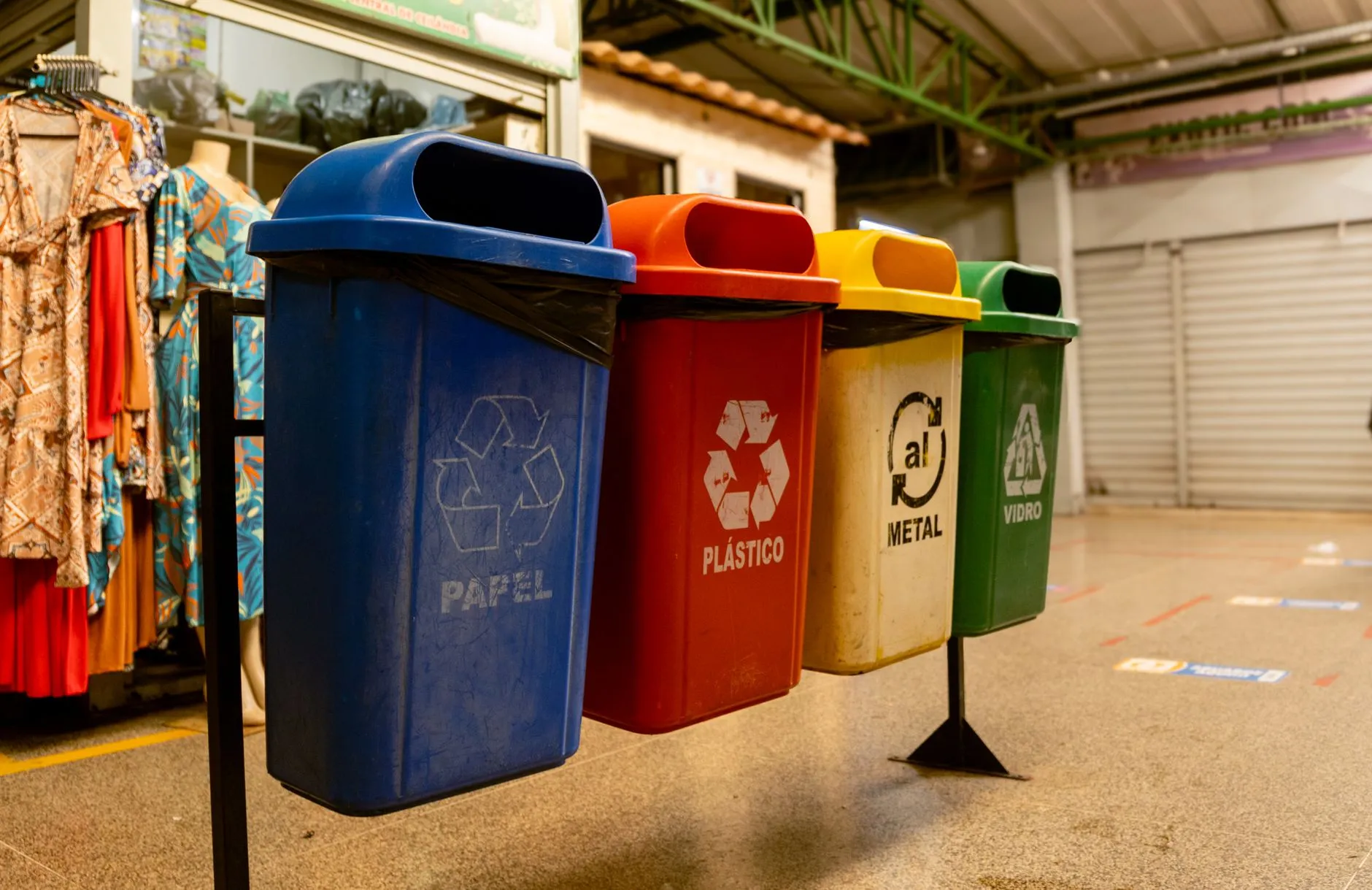
Israel has become the latest country to enter the plastic-credit market. A recycling facility in Beit She'an has received approval to issue tradable credits linked to its waste processing operations. The move could generate around 50,000 credits over the next five years, each representing one metric ton of plastic collected or recycled.
For UK businesses tracking environmental finance models, the development raises familiar questions. Can credits genuinely reduce pollution, or do they simply monetize work already happening? The answer matters because similar systems are being proposed across Europe, including in the UK.
Plastic credits operate on the same principle as carbon offsets. A project operator collects or recycles waste, an auditor verifies the activity, and credits are issued for sale. Companies buy them to support plastic-waste reduction projects, often in regions where recycling infrastructure is underfunded or commercially unviable.
The Israeli project is being led by Carbon World, an environmental-credit company that secured certification for Plasti-City, a recycler based in northern Israel. Estimates suggest the facility could produce around 50,000 plastic credits during the next five years, corresponding to roughly 50,000 metric tons of recycled plastic.
Israel's plastic problem is substantial but familiar
Israel generates approximately one million metric tons of plastic waste each year. Only about 6% is recycled domestically, according to data from the Circulate Initiative. The majority ends up in landfill or is exported for processing elsewhere.
Plastic reportedly accounts for 41% of household waste volume. Surveys covering 35 municipalities found that plastic represented 79% of littered items in public spaces. Beach surveys have found that around 90% of coastal debris consists of plastic, with half of it being single-use items.
The economics of recycling are challenging. One estimate put the cost of recycling a ton of plastic at approximately 3,742 Israeli shekels, compared with a market value of around 2,189 shekels for the recovered material. That gap helps explain why additional revenue from credit sales may appeal to recyclers.
Israel already has several recycling policies in place. A deposit law introduced in 2001 requires refundable deposits on beverage containers. An extended producer responsibility framework, introduced under the Packaging Law of 2011, requires manufacturers and importers to help finance the collection and recycling of packaging. Israel also charges for certain plastic shopping bags distributed by large supermarkets.
Despite those measures, much plastic waste still ends up in landfills or is exported. Some post-consumer plastic collected through deposit and producer-responsibility systems is sent overseas rather than recycled domestically.
How the credit system is supposed to work
Plastic credits are environmental instruments designed to assign a monetary value to measurable waste interventions. Under Verra's Plastic Waste Reduction Standard, one credit generally represents one metric ton of plastic waste collected or recycled beyond what would have occurred without the project.
After verification, credits are entered into a registry and assigned unique serial numbers. This allows them to be tracked, transferred, or sold. Companies purchase the credits to help meet voluntary sustainability commitments or support plastic-waste projects in locations where collection and recycling infrastructure is inadequate.
Importantly, a credit does not mean that the buyer's own plastic packaging was collected or recycled. It is a financial contribution to a waste-reduction project, not a physical recycling certificate. The environmental benefit depends entirely on whether the credited activity is genuinely additional.
Additionality is the central test. If credit payments allow an operator to collect waste that would otherwise remain uncollected, improve sorting, or process materials that would have been landfilled, the system could produce a measurable environmental benefit. However, if companies purchase credits for activity already required by law or commercially viable without credit revenue, the market rewards existing operations without producing a corresponding reduction in pollution.
Regulatory gaps create uncertainty around environmental claims
Israel currently lacks dedicated regulation for the plastic-credit market. According to Ynet, Carbon World executive Shai Burstyn stated that regulation of the credit market simply does not exist in Israel. Consequently, the system is largely voluntary, dependent on corporate sustainability commitments and international buyers.
That regulatory gap raises several issues. First, it is unclear whether credits can be issued for recycling already mandated under Israeli law. Second, auditors must establish a baseline for what would otherwise have happened, which is difficult without regulatory guidance. Third, there is limited oversight of whether one ton of collected plastic is genuinely recycled or merely transferred, exported, or temporarily stored.
Double counting is another risk. Plastic collected through the credit system might also be counted toward statutory recycling obligations under Israel's Packaging Law, inflating overall recycling figures. Similarly, buyers may make misleading claims, presenting credits as a substitute for reducing plastic production rather than acknowledging their limits.
For UK businesses, these concerns are not academic. Plastic-credit schemes are being explored across Europe as potential supplements to extended producer responsibility systems. If poorly regulated, they could undermine mandatory packaging reduction targets or allow companies to rely on voluntary purchases instead of reducing their own plastic footprint.
Scale and context matter for commercial evaluation
The Beit She'an project is significant because it links Israel's domestic recycling activity to an international environmental-credit system. It also creates the possibility that Israeli recycling operators could attract funding from companies seeking independently verified plastic-waste claims.
However, the scale should be viewed in context. Even if Plasti-City reaches its projected five-year volume of 50,000 metric tons, the amount would represent only 5% of Israel's annual plastic-waste generation. The national recycling rate of around 6% remains considerably below the OECD average cited in peer-reviewed studies.
Israel's Mediterranean coastline is also affected by regional marine pollution. A WWF assessment found approximately 21 kilograms of plastic debris per kilometer of coastline in the Tel Aviv region, placing it among the Mediterranean's most heavily affected areas.
Credit revenue could support collection in underserved areas, better sorting technology, and more reliable processing capacity. Nevertheless, plastic credits cannot replace waste prevention, reusable packaging, producer responsibility, or stronger domestic recycling infrastructure.
Key facts about Israel's plastic-credit project
- Plasti-City, a recycler based in Beit She'an, has received approval to issue plastic credits through Carbon World.
- The project could produce around 50,000 credits over five years, each representing one metric ton of plastic collected or recycled.
- Israel generates approximately one million metric tons of plastic waste annually, with only about 6% recycled domestically.
- The cost of recycling a ton of plastic in Israel is estimated at around 3,742 shekels, compared with a market value of roughly 2,189 shekels for the recovered material.
- Israel currently has no dedicated regulation for the plastic-credit market, leaving the system dependent on voluntary corporate commitments and international standards.
- Plastic accounts for approximately 41% of household waste volume in Israel, with 79% of litter in public spaces consisting of plastic items.
- Credits are verified under Verra's Plastic Waste Reduction Standard, which requires independent auditing of claimed waste interventions.
What UK businesses should watch in emerging credit markets
The Israeli project tests whether international credit standards can function effectively within a national system that already has deposit schemes, packaging obligations, and recycling targets. The answer will influence whether plastic credits complement public policy or weaken it.
For UK businesses, particularly those with supply chains in the Mediterranean region or those exploring credit systems as part of their sustainability strategy, several monitoring points are worth noting. First, transparency around baseline calculations is essential. Without clear disclosure of how additionality is established, credits risk becoming a payment for business-as-usual recycling.
Second, the identity of independent auditors and the rigor of verification processes will determine whether credits represent genuine environmental outcomes. Third, the types and quantities of plastic collected should be disclosed, along with the proportion that is recycled into new products versus exported for processing.
Fourth, whether the credited volume is also counted toward statutory recycling obligations should be made clear. Finally, the buyers of credits and the environmental claims they make should be transparent. If credits are presented as offsets that justify continued plastic production, their environmental value is limited.
UK businesses exploring plastic credits as part of their net-zero or sustainability commitments should assess whether the projects they support meet these criteria. Credits may become a useful supplementary financing mechanism, but they cannot replace reduction targets or investment in domestic recycling capacity.
Companies subject to extended producer responsibility obligations under UK regulations, including the plastic packaging tax introduced in April 2022, should ensure that any credit purchases are additional to their compliance requirements. Using credits to meet statutory obligations without reducing packaging volumes would undermine policy objectives.
Similarly, businesses responding to public sector procurement requirements should be aware that buyers are increasingly scrutinizing environmental claims. Credits that lack verified additionality or transparent reporting may not satisfy procurement criteria related to waste reduction and circular economy principles.
We work with businesses navigating these issues through our net-zero program for carbon reporting compliance, which includes guidance on environmental credit systems and their role in broader sustainability strategies. Moreover, sustainable procurement support for public sector suppliers addresses how to meet increasingly stringent tender requirements related to waste and packaging.
Where to find detailed information on plastic-credit standards
Businesses seeking authoritative information on plastic-credit frameworks should consult Verra's Plastic Waste Reduction Standard, which sets out verification requirements and eligibility criteria for credit issuance. The standard is available through Verra's public registry.
The Circulate Initiative provides country-level data on plastic waste generation and recycling rates, including profiles for Israel and other Mediterranean countries. This data can help businesses assess the scale and context of credit projects.
For UK regulatory context, the Department for Environment, Food and Rural Affairs publishes guidance on extended producer responsibility and the plastic packaging tax. These resources clarify how domestic compliance obligations interact with voluntary sustainability initiatives.
The Plastic Packaging Tax Regulations 2022 set out the legal requirements for businesses manufacturing or importing plastic packaging in the UK. Understanding these obligations is essential before considering credit purchases as part of a broader waste strategy.
Finally, the Resources and Waste Strategy for England outlines the government's long-term approach to waste reduction, recycling, and circular economy principles. This strategy provides the policy context within which plastic credits may or may not play a role.