
Romania and Hungary’s Energy Supply Risks from Extreme Weather
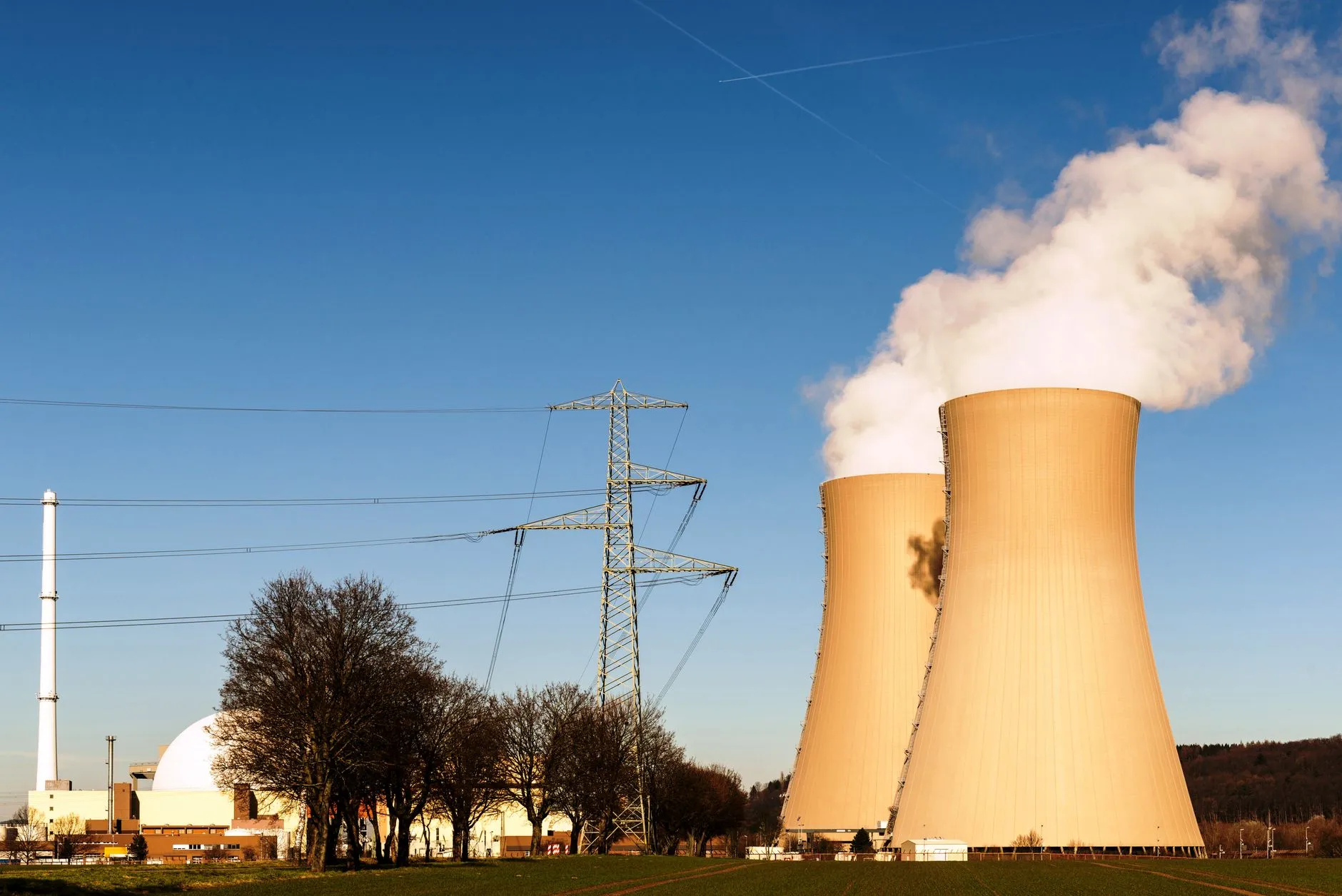
Danube drought forces nuclear reactors offline in Hungary and Romania
Europe's 2026 heatwave and drought drove the Danube to record-low levels, forcing nuclear output cuts in Hungary and Romania. Consequently, the episode exposed how climate-driven water scarcity can disrupt electricity supplies in central and eastern Europe. The most significant impact fell on Hungary's Paks plant and Romania's Cernavodă plant, both of which rely on river water for cooling.
Low river flows are no longer just a shipping or agriculture problem. They now threaten baseload power infrastructure. Reuters reported that Hungary's Paks, which generates nearly half the country's electricity, could be shut for weeks. Meanwhile, Romania declared a national state of alert as low Danube water reduced nuclear output and increased reliance on imports.
The operational strain triggered emergency measures. Romanian authorities used a controlled explosion to redirect cooling water toward the plant. Hungary warned that its only nuclear station could be fully taken offline for the first time in its 44-year history.
Record-low water levels cut nuclear capacity sharply
In Hungary, the Danube's record-low water level forced Paks down to a fraction of capacity. Reports indicated it was operating at little more than 10% at one point. The plant faced the prospect of a full shutdown.
In Romania, operator Nuclearelectrica took both reactors at Cernavodă offline at different points. The Danube could not reliably support cooling needs. Danube discharge in Romania fell to around 1,650 cubic metres per second, far below the long-term July average of about 4,750 cubic metres per second. The World Nuclear Association gives a similar severe-drought range of 1,630 to 1,750 cubic metres per second versus a multiannual July average of about 4,700 cubic metres per second.
Romania's Ilie Bolojan, quoted by Reuters, said: