
Reform UK Proposes to Scrap Sandwell Council's Climate Emergency Declaration
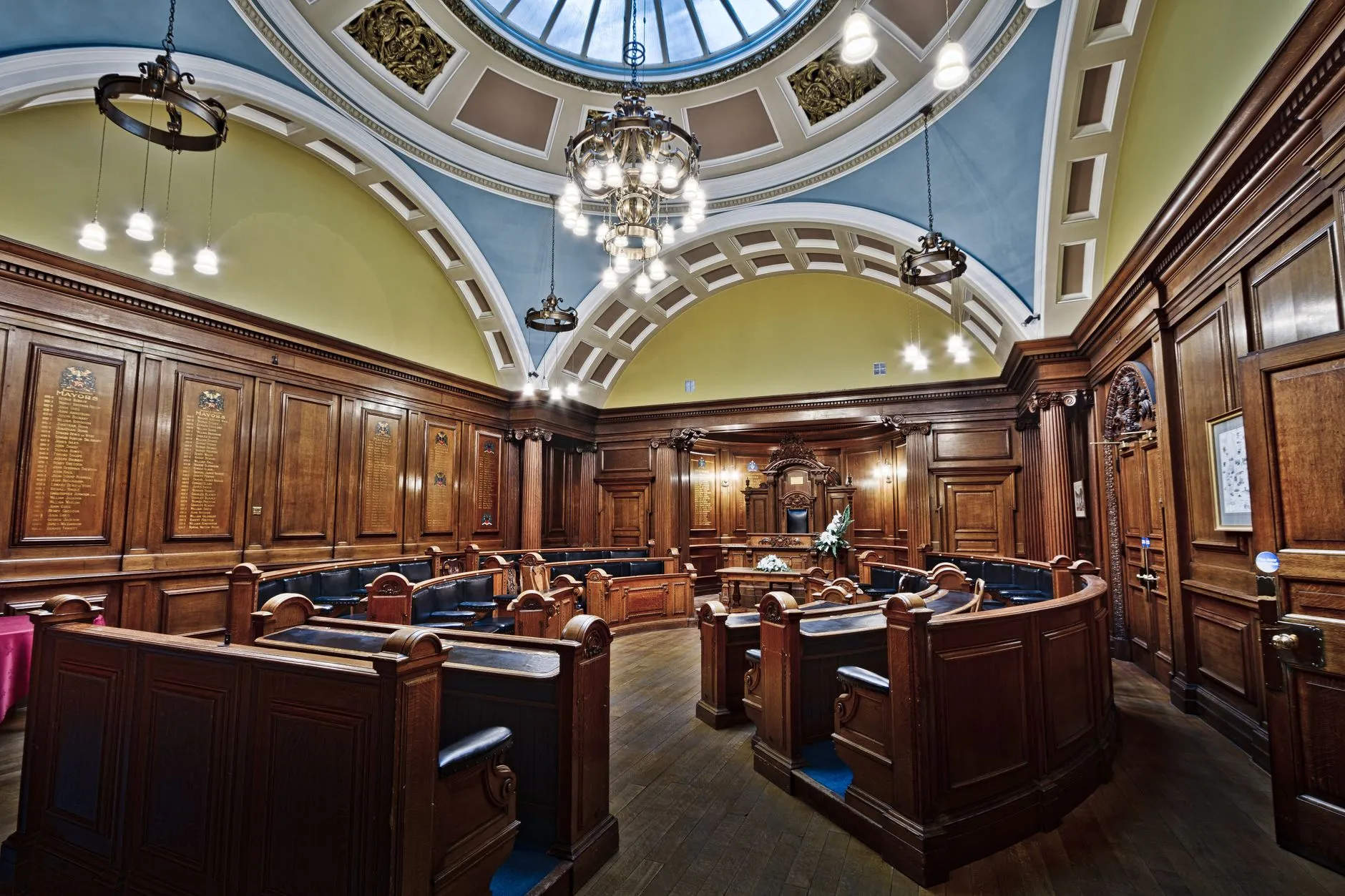
Sandwell Council may become one of the first local authorities in England to formally withdraw its climate emergency declaration. Reform UK councillors are preparing a motion that would rescind the 2020 declaration and remove climate change from the council's list of emergency-level priorities.
The proposal matters because it tests whether climate commitments made by councils during the last few years will survive changes in political control. It also raises practical questions about targets, funding and planning policy in a borough that set itself the goal of reaching net zero by 2041.
Unlike some symbolic votes, this motion has teeth. It would require officers to review strategies, plans and communications tied to the original declaration. Consequently, the decision could reshape how climate considerations influence spending, development and procurement across Sandwell for years to come.
Deputy leader to propose rescinding 2020 declaration
Gary Dale, Sandwell Council's deputy leader, is expected to bring the motion to a full council meeting. The proposal would rescind the climate emergency declared in March 2020 under the previous Labour administration.
The motion does not explicitly reject climate action. Instead, it reframes environmental work as part of broader council responsibilities rather than a standalone emergency. Specifically, it would retain support for environmental sustainability, energy efficiency and carbon reduction where measures deliver clear benefits and align with wider priorities.
However, the motion would end the treatment of climate change as a separate emergency requiring distinct strategic status. Furthermore, it would direct officers to amend associated strategies and communications. In practice, this means climate policy would compete for resources and attention alongside housing, regeneration, economic growth, employment and skills.
Notably, the text does not mention climate change or net zero directly. It emphasises that councils should focus primarily on issues affecting residents' daily lives, opportunities and quality of life. Environmental sustainability would remain part of decision-making but would no longer drive policy as an emergency-level concern.
Targets set for 2030 and 2041 under Labour administration
Sandwell Council declared a climate emergency in March 2020. At that time, it committed to making its own operations carbon neutral by 2030. Additionally, it set a borough-wide target of net zero by 2041.
These commitments extend beyond council buildings and fleets. The 2041 goal requires emissions reductions across households, businesses, transport networks and all public bodies operating in the borough. Achieving it depends on action by organisations and individuals over whom the council has limited direct control.
The council's climate action plan identified a carbon budget of 9.1 million tonnes through 2100. That budget is based on limiting global warming to 1.5°C above pre-industrial levels. In 2018, Sandwell produced approximately 1.4 million tonnes of carbon. Without major changes, projected emissions would reach around 115 million tonnes over the same period.
Meeting the 2041 target would require emissions to fall by roughly 13% every year. For context, the reduction during COVID-19 economic restrictions was only 5% to 7%. The scale of the challenge is therefore considerable, even under favourable conditions.
Solar panels and heat pumps already installed across council estate
Several projects linked to the 2020 declaration are already operational. These schemes aim to reduce emissions while cutting energy bills and operating costs for the council.
Solar photovoltaic panels and heat pumps have been installed at Sandwell Council House. Similar solar systems now operate at West Bromwich Outdoor Market, Sandwell Aquatics Centre and other corporate buildings, leisure centres and schools. The council reports more than 750 kilowatts of solar capacity across its corporate estate.
Around 600 council homes have received solar installations. Plans exist to fit a further 1,300 properties by 2028. These installations reduce energy costs for tenants while lowering emissions from the housing stock.
At Tipton Leisure Centre, a heat pump project is replacing fossil fuel boilers. The scheme is expected to eliminate gas consumption at the site, cut carbon dioxide emissions by approximately 200 tonnes annually and reduce running costs. Similar retrofits have been surveyed at other council buildings and schools.
Other initiatives include a commitment to plant 15,000 trees by 2030, a single-use plastics policy adopted in November 2023, and business support for energy efficiency and carbon reduction. The council has also worked with local firms to provide access to audits, specialist advice and grant funding.
Many of these projects could continue even if the declaration is rescinded. The proposed motion specifically supports proportionate carbon reduction measures that deliver practical benefits. Ultimately, continuation will depend on future budgets, political priorities and individual decisions by councillors.
Planning policies and Local Plan may require revision
The climate emergency declaration is embedded in Sandwell's emerging Local Plan and wider planning strategies. Council documents state that climate commitments are intended to influence development standards, energy efficiency requirements, low-carbon technologies, transport planning and resilience to climate risks.
The Local Plan identifies risks including flooding and overheating. It promotes energy-efficient development, low- and zero-carbon building designs, sustainable transport and green infrastructure. These policies are shaped in part by the 2030 and 2041 targets.
Rescinding the declaration would not automatically erase every climate-related planning policy. Some requirements derive from adopted planning documents, national planning rules and statutory duties that exist independently of the emergency declaration. Nevertheless, the proposed review of strategies and communications could lead to changes in how climate considerations are prioritised and presented.
Sandwell operates within a regional framework set by the West Midlands Combined Authority, which declared a climate emergency in 2019 and adopted a 2041 net zero target for the region. That regional commitment may continue to influence transport, economic development, planning and funding decisions regardless of Sandwell's local terminology.
The interaction between local decisions and regional commitments is unclear. If Sandwell withdraws its declaration but the Combined Authority maintains its target, developers and businesses may face conflicting signals about policy direction and investment priorities.
Reform UK motion shifts climate from emergency to discretionary priority
The proposed motion represents a change in political emphasis rather than an immediate halt to all environmental work. It would move climate action from emergency status to a discretionary priority assessed alongside competing demands for limited resources.
Supporters are likely to argue that councils should concentrate on housing, jobs, skills and economic regeneration. The motion leaves room for measures that cut energy bills, improve public buildings and reduce operating costs. From this perspective, climate action should be pursued where it delivers tangible local benefits, not as an end in itself.
Critics are likely to contend that withdrawing the declaration weakens accountability and risks derailing long-term progress. The council's own figures show that meeting the 2041 target requires sustained annual emissions reductions of around 13%. Isolated projects will not be sufficient. Consequently, downgrading climate from emergency status could slow the pace of change at a time when acceleration is needed.
The practical effect will depend on decisions made after the vote. Will the 2030 and 2041 targets be retained or abandoned? Will climate considerations remain influential in planning decisions and procurement? Will retrofit and renewable energy projects continue to receive funding?
These questions matter for businesses tendering for council contracts, developers seeking planning approval and residents affected by future housing, transport and energy policies. A shift away from emergency status could signal lower priority for low-carbon requirements in tenders, reduced emphasis on energy standards in planning approvals and slower progress on retrofitting social housing.
What the numbers tell us about Sandwell's climate challenge
- Sandwell Council declared a climate emergency in March 2020 under the previous Labour administration.
- The council committed to making its own operations carbon neutral by 2030 and achieving borough-wide net zero by 2041.
- Sandwell produced approximately 1.4 million tonnes of carbon in 2018, according to the council's climate action plan.
- The carbon budget identified for the borough through 2100 is 9.1 million tonnes, based on limiting warming to 1.5°C.
- Meeting the 2041 target requires emissions to fall by roughly 13% every year, compared to a 5% to 7% reduction during COVID-19 restrictions.
- The council has installed more than 750 kilowatts of solar capacity across corporate buildings and fitted solar panels to around 600 homes.
- The Tipton Leisure Centre heat pump project is expected to cut carbon dioxide emissions by approximately 200 tonnes annually.
Councils face difficult choices on climate targets and spending
Sandwell's position reflects broader tensions facing local authorities across the UK. Climate emergency declarations were politically popular when made, but they came with limited additional funding and substantial long-term obligations.
Many councils now face severe budget pressures. Social care, housing and statutory services absorb most available resources. Climate projects often compete for the same limited capital budgets needed for building repairs, economic development and infrastructure.
Moreover, the 2041 target extends beyond the council's direct control. Achieving borough-wide net zero requires action by landlords, businesses, transport operators and individual residents. Councils can encourage, incentivise and regulate, but they cannot compel most emissions reductions. Therefore, the gap between ambition and delivery grows wider each year.
This creates a dilemma for councillors. Maintaining the declaration without sufficient progress risks accusations of hypocrisy. Rescinding it invites criticism for abandoning climate responsibility. The Reform UK motion attempts to resolve this by retaining environmental work within a framework that does not treat climate as an overriding emergency.
For businesses, the key issue is predictability. Firms investing in low-carbon technologies, bidding for council contracts or planning developments need to understand how climate requirements will evolve. A shift from emergency status to discretionary priority introduces uncertainty about future standards, funding and enforcement.
Public sector suppliers should monitor how the proposed review of strategies and communications affects tender criteria. If carbon reduction becomes less central to procurement decisions, the weighting given to environmental proposals in bids may fall. Similarly, developers should watch for changes in planning guidance that could alter energy efficiency expectations or low-carbon technology requirements.
Training and capacity also matter. Council officers and elected members received training on climate risk, carbon budgets and emissions reduction linked to the 2020 declaration. If climate is downgraded, that expertise may be redirected or lost. Businesses offering environmental services to the council may therefore find fewer internal champions for their work.
The motion does not close the door on climate action, but it does reframe the conversation. Environmental measures would need to demonstrate value for money and alignment with other priorities to secure support. This test is not unreasonable, but it places climate projects on the same footing as any other discretionary spending rather than treating them as urgent necessities.
What happens next and where to find more information
The motion is expected to be debated at a forthcoming full council meeting. If passed, officers would begin reviewing strategies, plans, policies and communications linked to the 2020 declaration. The outcome of that review would determine which climate commitments remain in force and how they are implemented.
Businesses and residents affected by council decisions on planning, procurement, housing and transport should follow the debate and any subsequent consultations. Changes to planning policy, tender criteria or retrofit programmes may emerge from the review process.
For guidance on local authority climate commitments and planning policy, the Department for Energy Security and Net Zero publishes resources on net zero strategy and policy frameworks. The government's planning practice guidance explains how climate considerations apply to development decisions.
Information about the West Midlands Combined Authority's regional climate commitments is available on the Combined Authority's website. Regional targets and strategies may continue to influence Sandwell's policies regardless of local decisions.
At SBS, we support businesses navigating changes in local climate policy, procurement requirements and planning standards. Our compliance services help firms understand how evolving council commitments affect tender bids and regulatory obligations. We also offer structured support for carbon reporting to businesses seeking to align with public sector expectations or prepare for future requirements.