
Saudi Arabia Advances International Cooperation on Arid Environment Sustainability
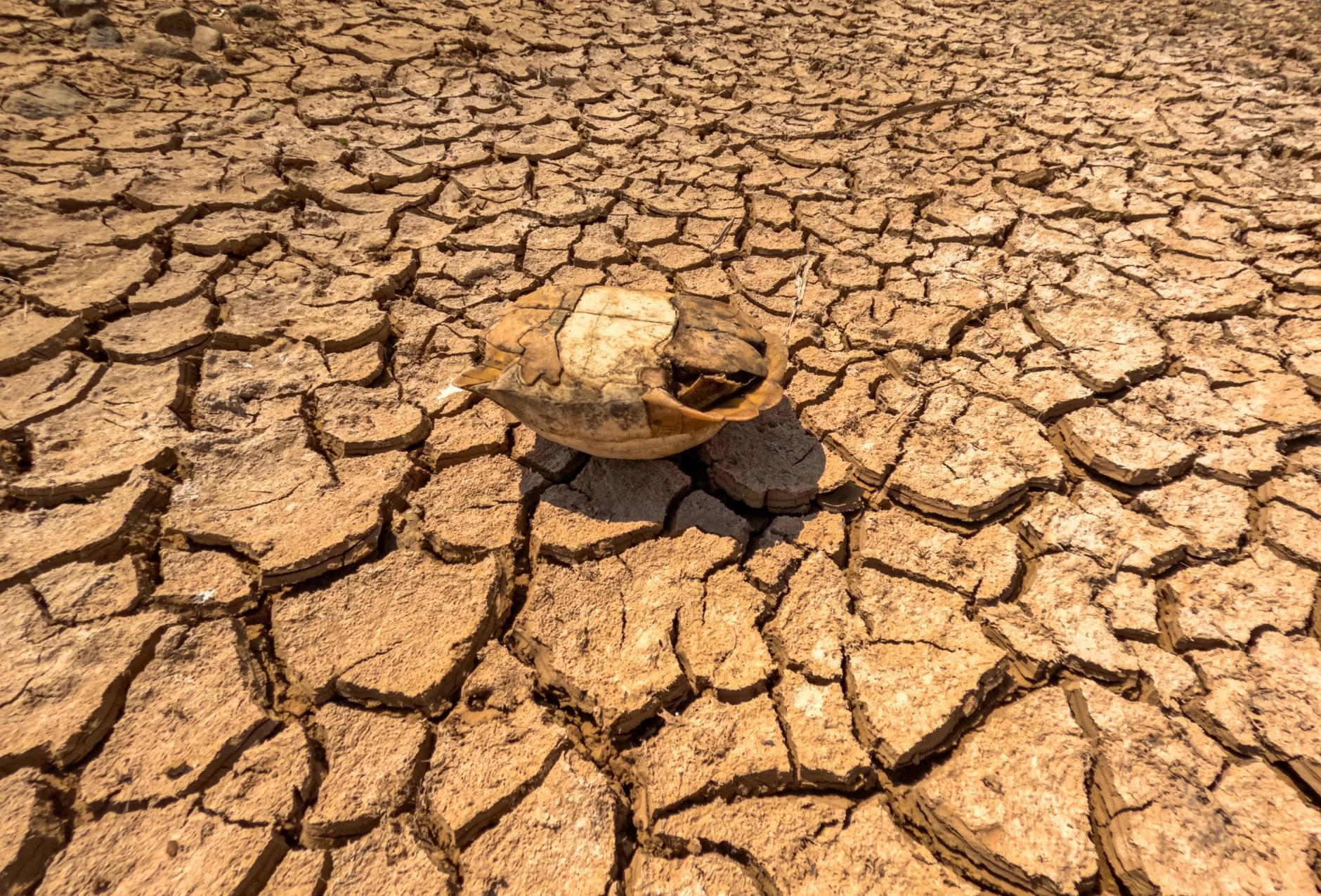
Saudi Arabia has taken the chair of a United Nations regional forestry body and used its first major meeting to signal a shift in how dryland restoration is coordinated across the Middle East and North Africa. The move is part of a wider effort to position the Kingdom as a technical leader on land degradation, desert ecosystem management, and climate resilience in arid environments.
For UK businesses working in environmental services, agritech, climate consultancy, or natural capital, the changes under way in the Near East matter. They create demand for restoration expertise, monitoring technology, and carbon project development in landscapes that share many characteristics with drylands elsewhere. They also show how regional cooperation bodies are being used to set technical standards and policy frameworks that eventually influence bilateral procurement and project funding.
The meeting in question took place in Jeddah from 29 September to 1 October 2025. It was the 27th session of the Near East Forestry and Range Commission, a technical forum established by the Food and Agriculture Organization of the United Nations in 1953. Delegates from member countries reviewed previous recommendations and discussed responses to land degradation, drought, forest fires, invasive species, and sand and dust storms.
This was not a symbolic gathering. Saudi Arabia holds the NEFRC chair from September 2025 to August 2027, and it used the Jeddah session to outline priorities that will shape regional forestry and rangeland policy for the next two years. Those priorities include ecosystem restoration at scale, mangrove expansion, fire management coordination, and youth engagement in sustainable land use.
Saudi Arabia frames restoration as a regional model
The Kingdom's delegation highlighted its domestic programmes during the session. Officials referenced the Saudi Green Initiative and the Middle East Green Initiative, which together aim to plant 10 billion trees within Saudi Arabia and 50 billion across the region. According to Arab News, more than 151 million trees have been planted nationwide, with over 505,000 hectares of degraded land restored.
Saudi Arabia also presented a global target to reduce land degradation by 50 percent by 2040. That ambition aligns with the UN Convention to Combat Desertification and reflects the Kingdom's broader climate diplomacy under Vision 2030.
The FAO noted that the session reviewed collective responses to difficult regional conditions. It identified shared action areas including integrated land restoration frameworks, drought resilience, green cities, and youth engagement. The organisation also marked the launch of Saudi Arabia's Forest Ambassadors Initiative, intended to expand youth participation in restoration and sustainable land management.
What stands out is the emphasis on practical cooperation rather than declaratory statements. Saudi representatives discussed bilateral collaboration on land restoration, water harvesting, rangeland management, modern technologies, ecotourism, and capacity building. These are tangible work areas that require technical input, equipment, and know-how.
Regional priorities include fire coordination and mangrove expansion
The commission outlined several specific priorities for the coming period. First, member countries agreed to strengthen ecosystem restoration work, with a focus on mangrove habitats. Mangroves store carbon, protect coastlines, and support biodiversity, but they are under pressure from development, pollution, and rising sea temperatures.
Second, the session called for expanding agro-silvopastoral practices. These systems integrate trees, crops, and livestock to improve productivity and resilience on degraded land. They are particularly relevant in semi-arid areas where conventional agriculture struggles.
Third, the commission agreed to advance fire management coordination through the Near East Network on Wildlands Forest Fire. Wildfire risk is increasing in the region due to higher temperatures, prolonged droughts, and changes in vegetation. Cross-border coordination on early warning, suppression, and post-fire recovery is now a policy priority.
Fourth, the session emphasised youth-led innovation. The Forest Ambassadors Initiative is one example, but the broader aim is to build technical capacity among younger professionals and create pathways into forestry, rangeland management, and conservation careers.
These priorities are not unique to the Near East. However, the NEFRC provides a forum where they can be discussed collectively, with FAO support, and where technical standards and shared approaches can be developed.
Implications for UK businesses and environmental service providers
For UK firms, this matters in several ways. First, it signals sustained demand for restoration and land management services in a region with significant financial resources and ambitious environmental targets. Saudi Arabia alone has committed billions of dollars to the Saudi Green Initiative, and other Gulf states are pursuing similar programmes.
Second, the focus on technology creates opportunities for remote sensing, satellite monitoring, soil analysis, water management, and carbon accounting firms. Restoration at the scale proposed requires robust measurement, reporting, and verification systems. UK companies with expertise in these areas are well positioned.
Third, the emphasis on mangroves, rangelands, and dryland ecosystems creates potential for nature-based carbon projects. These landscapes can generate verified carbon credits if they are managed according to recognised standards. Businesses looking to develop or invest in nature projects should monitor how regional frameworks evolve.
Fourth, the commission's work on fire management and invasive species may lead to procurement opportunities for equipment, training, and consultancy services. Cross-border coordination often requires technical assistance, and FAO regional bodies typically facilitate this through member state partnerships.
Finally, the integration of youth engagement and capacity building suggests longer-term demand for education, training, and knowledge transfer services. UK institutions with experience in forestry, ecology, and land management could explore partnerships through the NEFRC or directly with member countries.
Why dryland restoration is a climate and economic priority
Arid and hyper-arid environments cover much of the Near East. They face overlapping pressures from drought, degradation, wildfire risk, and biodiversity loss. These problems cannot be solved by individual countries acting alone. They require shared standards, cross-border cooperation, and coordinated responses.
The NEFRC provides a mechanism for that coordination. It brings together governments, technical experts, and international organisations to review evidence, set priorities, and agree on action. Saudi Arabia's chairmanship gives it influence over that agenda for the next two years.
The Kingdom is using this influence to align regional policy with its domestic programmes. That creates a feedback loop where national initiatives inform regional frameworks, and regional frameworks legitimise national ambitions. For UK businesses, understanding that dynamic is important because it shapes where investment flows, what standards apply, and which projects receive political and financial backing.
Dryland restoration also has direct economic value. Healthy rangelands support livestock production. Restored forests provide timber, non-timber products, and carbon sequestration. Mangroves protect coastal infrastructure and fisheries. These are not abstract environmental benefits. They translate into jobs, revenue, and resilience against climate shocks.
Core facts from the Jeddah session
- The 27th session of the Near East Forestry and Range Commission took place in Jeddah from 29 September to 1 October 2025, marking the commission's 70th anniversary.
- Saudi Arabia chairs the commission from September 2025 to August 2027 and used the session to outline regional priorities for dryland restoration and forest management.
- The Saudi Green Initiative aims to plant 10 billion trees within the Kingdom, while the Middle East Green Initiative targets 50 billion trees across the region.
- More than 151 million trees have been planted in Saudi Arabia, with over 505,000 hectares of degraded land restored, according to government figures cited by Arab News.
- Saudi Arabia has proposed a global target to reduce land degradation by 50 percent by 2040.
- The commission agreed to strengthen mangrove restoration, expand agro-silvopastoral practices, advance fire management coordination, and support youth-led innovation.
- The Forest Ambassadors Initiative was launched during the session to expand youth participation in restoration and sustainable land management.
How Saudi environmental diplomacy connects to global frameworks
Saudi Arabia's chairmanship of the NEFRC fits within a broader pattern of climate and environmental diplomacy. The Kingdom has used multilateral forums to position itself as a convening power on issues ranging from energy transition to circular carbon economy to nature-based solutions.
This approach serves several purposes. It aligns with Vision 2030, the national development plan that seeks to diversify the Saudi economy and reduce dependence on oil revenues. It also strengthens the Kingdom's role in international climate negotiations, where it has historically been cautious but is now more active.
For UK businesses, the key takeaway is that Saudi environmental policy is not static. The Kingdom is investing in restoration, renewable energy, and natural capital, and it is using its financial and diplomatic resources to shape regional and global agendas. Companies that engage early can build relationships, establish credibility, and position themselves for long-term opportunities.
The NEFRC itself is one of several regional forestry commissions under the FAO. Others cover Africa, Asia-Pacific, Europe, Latin America, and North America. These bodies operate independently but share similar mandates: to provide technical advice, facilitate cooperation, and support member countries in sustainable forest and land management.
Saudi Arabia's chairmanship gives it a platform to influence regional policy, but it also carries responsibilities. The Kingdom will be expected to convene meetings, coordinate working groups, and report progress to the FAO. How effectively it does this will shape its credibility as a regional leader.
Practical considerations for businesses evaluating opportunities
Businesses considering work in the Near East should understand several practical factors. First, regional cooperation does not eliminate national differences. Each country has its own regulatory environment, procurement processes, and strategic priorities. Saudi Arabia's agenda may not align perfectly with those of Egypt, Jordan, Lebanon, or other NEFRC members.
Second, multilateral forums like the NEFRC influence policy but do not control funding. Most restoration and land management projects are financed through national budgets, bilateral aid, development banks, or private investment. Understanding who pays for what is essential.
Third, technical standards matter. The NEFRC can recommend approaches to restoration, monitoring, or fire management, but implementation depends on national capacity and resources. UK firms offering services need to demonstrate that their methods are appropriate for local conditions and compatible with emerging regional frameworks.
Fourth, relationships take time. Saudi Arabia and other Gulf states have strong existing partnerships with European, American, and Asian firms. Breaking into these markets requires persistence, local presence, and a clear value proposition. Generic sustainability services are less compelling than specific expertise in dryland ecology, carbon accounting, or water management.
Finally, political and economic risks remain. The Near East is subject to geopolitical tensions, economic volatility, and regulatory uncertainty. Businesses need robust risk management and should seek advice from UK government trade teams, legal advisers, and sector specialists.
Where to find further information
The Food and Agriculture Organization of the United Nations publishes reports, technical papers, and policy updates from the Near East Forestry and Range Commission on its NEFRC page. This includes session reports, country statements, and working group outputs.
Saudi Arabia's Ministry of Environment, Water and Agriculture provides information on national forestry and land restoration programmes. The Arab News website covers Saudi environmental policy and regional cooperation regularly.
For UK businesses exploring opportunities in sustainable land management, the Department for Business and Trade offers sector-specific guidance and in-market support. Our nature-positive investment support can help businesses understand how dryland restoration projects fit within carbon and biodiversity markets.
The FAO also maintains a general website with resources on forestry, land use, and climate adaptation globally. Its technical publications are a useful reference for businesses developing proposals or evaluating regional trends.