
Sustainability Currents: Severe Weather’s Supply-Chain Shock
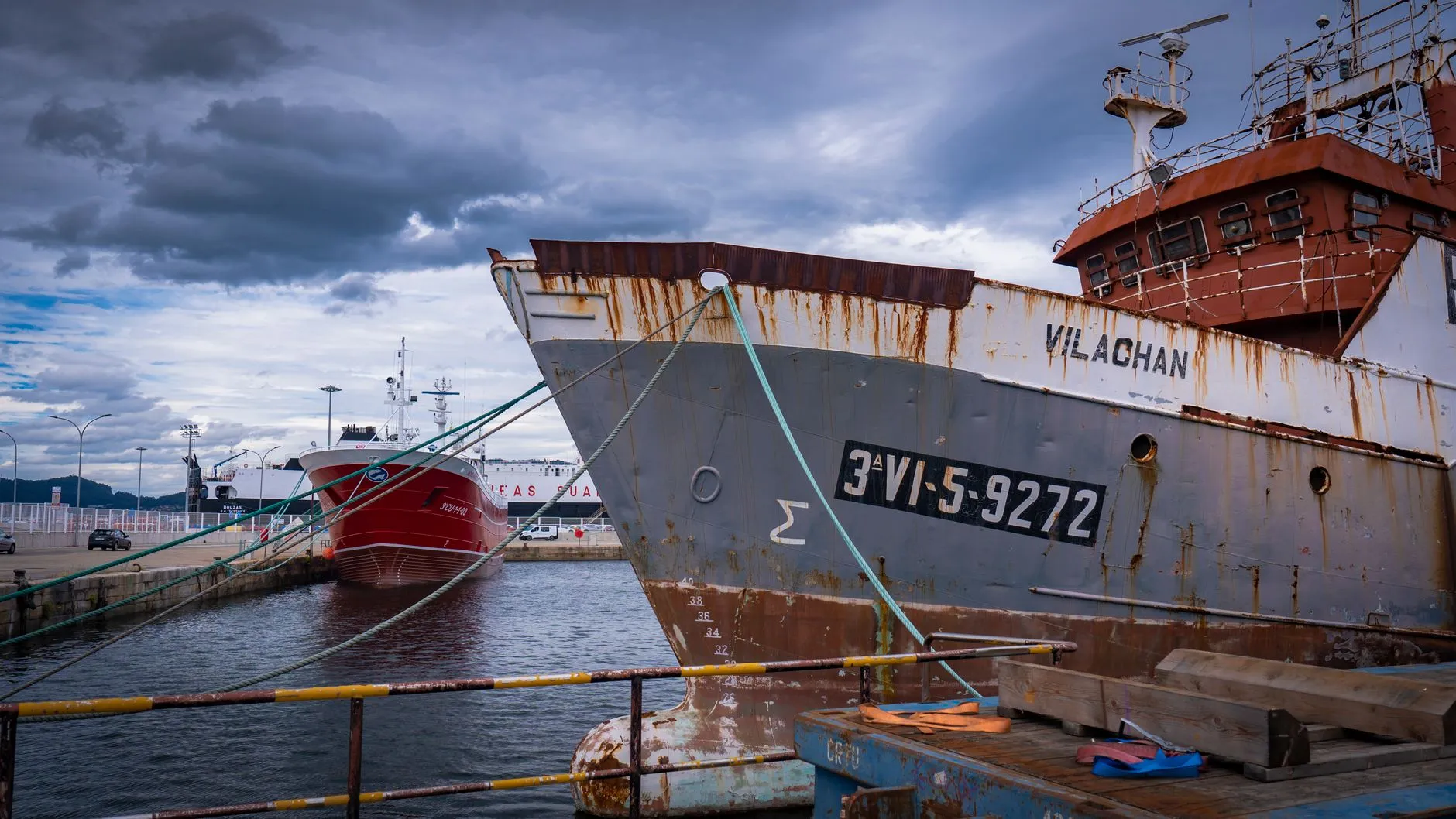
Severe weather is forcing UK businesses to rethink how they manage global supply chains. What began as isolated disruptions at specific ports or production hubs is evolving into a pattern of compounding delays, higher freight costs and operational uncertainty. For companies that rely on tightly scheduled deliveries or components from concentrated manufacturing regions, these weather-related shocks are creating measurable risks to margins, inventory and customer commitments.
The issue extends beyond dramatic storms or floods. Routine operations are increasingly vulnerable to wind speeds that keep ships offshore, drought conditions that lower river levels, or typhoons that close factories and distribution centres simultaneously. These events don't just delay individual shipments. They cascade through networks, creating container shortages, rail backlogs and sudden demand for scarce alternative capacity.
Meanwhile, the structure of modern commerce amplifies the impact. Many firms hold minimal safety stock, depend on a small number of suppliers, and rely on maritime gateways with little spare capacity. When one link breaks, the effects spread quickly. A delayed vessel can leave a factory waiting for components. A closed canal can reroute ships through already congested ports. A drought can interrupt both river transport and electricity generation at the same time.
This shift matters for UK businesses because supply-chain performance now depends less on speed alone and more on the ability to absorb disruption, maintain access to critical inputs, and avoid emergency freight costs. Companies that treat extreme weather as a narrow disaster-recovery issue may find themselves repeatedly paying premiums for expedited air freight, sourcing from higher-cost alternatives, or missing customer delivery windows.
Southern California ports struggle with congestion and marine conditions
The Los Angeles and Long Beach port complex has faced a combination of vessel backlogs and adverse weather. Nearly 160 ships were reported waiting to enter, with some carrying as much as 500,000 tons of cargo. Wait times at the Port of Los Angeles reached approximately 14 days at anchorage. That's roughly the duration required to cross the Pacific.
Storm season adds another layer of operational risk. High winds and rough seas make it dangerous for large vessels to manoeuvre through crowded approaches or drop anchor safely. Consequently, the US Coast Guard issued guidance asking ships to remain three nautical miles apart, prepare a second anchor during strong winds, and keep engines on standby.
Weather can disrupt supporting services even when a port remains technically open. Strong winds and rough seas have interrupted bunker fuel deliveries in the Galveston Offshore Lightering Area, while high gusts affected fuel supply schedules in New York Harbor. These delays raise the cost of keeping vessels in position and complicate already tight refuelling schedules.
The operational consequences extend inland. Rail dwell times for idle containers designated for onward rail transport exceeded nine days at the Port of Los Angeles. This illustrates how a maritime disruption persists after cargo reaches the quay. Rail, trucking and warehouse networks struggle to absorb irregular arrivals, creating bottlenecks that delay goods further.
El Niño creates contrasting risks across Brazilian logistics and agriculture
The current El Niño episode is expected to peak around December 2026, with effects potentially continuing into 2027, according to assessments from Munich Re citing the World Meteorological Organization. El Niño does not produce uniform conditions globally. It brings drought to some regions while increasing rainfall, flooding and landslides in others.
In Brazil, northern areas face increased risks of low river levels, water stress, drought and wildfires. Southern Brazil confronts above-average rainfall, flooding and landslides. These contrasting effects interfere with agriculture, hydropower, water availability and transport infrastructure simultaneously.
The human scale of the disruption is already significant. A survey by Brazil's National Confederation of Municipalities found that 6.9 million people in more than 1,000 cities were affected between July and September 2026. For businesses, this translates into unpredictable commodity supplies, transport delays and uncertain access to agricultural inputs.
El Niño also creates uncertainty for commodity markets. Agricultural output may fall in some regions while improved growing conditions elsewhere generate oversupply. BNP Paribas analysis suggests the 2026 to 2027 event could rank among the strongest of the past 50 years. Very intense El Niño episodes can raise global food prices by 8% year over year, with full effects emerging six to 12 months after the climate peak.
Lower rainfall affects river navigation, hydropower generation and industrial water supplies. Reduced rainfall in the Panama Canal basin contributed to lower daily transit numbers. Restrictions are expected to reduce capacity to 29 transits per day from 36 in August 2026. Fewer canal passages mean longer voyages, higher fuel consumption and increased pressure on alternative routes.
Typhoons and flooding disrupt China's manufacturing and export networks
China's role as a manufacturing and export hub makes weather-related disruption particularly consequential for UK importers. The World Meteorological Organization has warned that El Niño can shift weather patterns toward drought in some regions while increasing the risk of stronger storms and flooding elsewhere.
China was expected to experience seven typhoon landfalls during 2026, with experts linking the elevated risk to the effects of a "super El Niño." Flooding or typhoon damage can interrupt factories, ports, roads, power supplies and distribution centres simultaneously. When production does resume, transportation backlogs prevent goods from reaching overseas buyers promptly.
Localized disruptions in China affect companies worldwide. Delays in components, machinery, electronics and consumer products spread through multiple tiers of suppliers. Even firms that don't source directly from affected regions may find their sub-tier suppliers unable to deliver critical inputs on schedule.
Why lean inventory systems amplify weather shocks
Just-in-time systems reduce inventory, storage and working-capital costs under normal conditions. Their weakness is limited tolerance for delay. When firms hold minimal safety stock and rely on predictable transport schedules, even short disruptions force expensive responses.
Companies may need to arrange expedited air freight, secure premium ocean services, or slow production temporarily. Emergency purchases from higher-cost suppliers become necessary. Rerouting through congested ports, canals or rail corridors adds further expense. Insurance, fuel and demurrage costs rise. Delayed deliveries result in lost sales.
Weather-related supply shocks therefore affect both revenue and margins. Companies lose sales when products arrive late while paying more to secure scarce transport capacity or replace damaged inputs. If shortages persist, costs pass through to food, energy and consumer prices.
The risk extends beyond physical damage. Forecast uncertainty itself has economic consequences. A port may remain open but operate below capacity. A ship may wait offshore for a weather window. A carrier may reroute before conditions deteriorate. Those precautionary decisions create delays even when catastrophic damage does not occur.
Compound disruption across multiple supply chain links
The most significant development is the growing potential for compound disruption. Climate patterns now affect several supply-chain links simultaneously rather than creating isolated incidents.
Production can be reduced by drought, floods and heat affecting agricultural or industrial output. Energy supplies become constrained when water shortages limit hydropower or industrial cooling. Transport networks face delays from low rivers, flooded roads, high winds and typhoons. Ports experience limitations from rough seas and congestion affecting vessel arrivals and cargo handling. Distribution extends delays inland through rail and trucking bottlenecks. Markets respond with increased prices for food, fuel and freight.
WMO Secretary-General Celeste Saulo summarized the concern: "We are already seeing disruption and devastation from droughts and floods and we expect these impacts to increase as El Niño intensifies." Businesses can no longer treat extreme weather as a narrow disaster-recovery issue. It is becoming a recurring operating condition that affects procurement, inventory, routing, financial planning and customer commitments.
Critical facts for UK supply chain managers
- Vessel wait times at major US ports have reached 14 days, equivalent to a full Pacific crossing, creating container shortages and scheduling uncertainty for UK importers.
- The current El Niño episode is expected to persist into early 2027, with the strongest economic effects on commodity prices and transport capacity emerging six to 12 months after the climatic peak.
- Panama Canal capacity has been reduced from 36 to 29 daily transits due to low water levels, forcing longer alternative routes and higher fuel costs for shipping lines.
- Rail dwell times for containers at the Port of Los Angeles exceeded nine days, demonstrating how maritime delays extend inland through distribution networks.
- Very intense El Niño episodes can raise global food prices by 8% year over year, affecting businesses that rely on agricultural commodities or food ingredients.
- China is expected to experience seven typhoon landfalls in 2026, with potential simultaneous disruption to factories, ports, roads and power supplies affecting multiple tiers of UK supplier networks.
- Over 6.9 million people in more than 1,000 Brazilian cities were affected by weather-related disruption between July and September 2026, illustrating the scale of infrastructure and logistics challenges.
Practical steps for building supply chain resilience
The shift from efficiency-focused to resilience-adjusted supply chains requires specific actions. These measures carry costs, but the expense of prevention is typically lower than the cost of repeated emergency responses.
Diversifying suppliers across climate regions reduces exposure to localized weather events. However, this requires mapping lower-tier suppliers rather than monitoring only direct vendors. Many UK businesses discovered during recent disruptions that they lacked visibility into where sub-components were actually manufactured.
Holding strategic inventory for critical components provides a buffer against transport delays. This doesn't mean abandoning lean principles entirely. It means identifying which inputs have long lead times, single-source dependencies, or climate-vulnerable supply routes. Those specific items may justify higher safety stock levels.
Using weather and port data to anticipate disruptions allows proactive responses. Shipping lines and logistics providers now offer visibility tools that track vessel positions, port congestion and weather forecasts. Companies that monitor these signals can reroute shipments, adjust production schedules, or communicate delays to customers before problems become critical.
Establishing alternative ports, carriers and warehouses creates flexibility when primary routes become congested or closed. This requires advance relationships with alternative logistics providers and understanding their capacity constraints. During peak disruption periods, everyone seeks the same alternatives simultaneously.
Incorporating climate scenarios into procurement and capital planning changes how businesses evaluate supplier risk. A supplier offering the lowest unit cost may carry hidden risks if their facility sits in a flood-prone region, depends on drought-vulnerable river transport, or operates in an area with increasing typhoon frequency. Those risks should factor into sourcing decisions.
Reviewing insurance and contractual responsibility for weather delays clarifies who bears the cost when disruptions occur. Many standard contracts don't adequately address extended delays caused by climate events. Force majeure clauses may need updating to reflect the increased frequency and compound nature of weather-related disruption.
Reducing dependence on single canals, rivers or manufacturing clusters requires long-term planning. The Panama Canal capacity reduction demonstrates how critical chokepoints can create system-wide delays. Similarly, over-concentration of suppliers in specific Chinese provinces or reliance on individual Brazilian transport corridors creates vulnerability that may not be obvious until a disruption occurs.
For UK businesses that supply the public sector, these considerations connect directly to carbon reporting requirements under PPN 06/21. Supply chain resilience and emissions reduction often align. Shorter transport routes, regional sourcing and reduced air freight all improve both climate performance and operational stability.
What this means for UK businesses over the next 18 months
The immediate outlook combines three pressure points. Marine-weather disruption continues at major ports. A powerful El Niño affects agricultural and logistical conditions across multiple regions. Flood and typhoon risks persist in Asian production and shipping centres.
The World Meteorological Organization expects the current El Niño to persist into early 2027. Private-sector assessments warn that its strongest effects on commodity prices and transport capacity may emerge after the climatic peak. This suggests UK businesses should expect continued supply-chain volatility through at least the first half of 2027.
Companies that import components, finished goods or agricultural commodities need to review their exposure. Which suppliers sit in regions facing drought, flooding or typhoon risk? Which transport routes depend on rivers, canals or ports vulnerable to weather disruption? Which products have no readily available alternative sources?
Procurement teams should discuss lead time extensions with suppliers and logistics providers. Standard shipping schedules may no longer reflect realistic delivery windows. Building longer lead times into planning reduces the need for expensive expedited freight when delays occur.
Finance teams should model the cost impact of supply disruptions. What happens to margins if freight costs double temporarily? What inventory levels are needed to maintain production during a four-week supplier delay? What customer penalties apply if delivery commitments are missed?
Operations teams should identify which processes are most vulnerable to input shortages. Can production be resequenced if certain components arrive late? Are there alternative materials or suppliers that could be qualified in advance? What minimum stock levels are needed to maintain continuity?
These questions don't have universal answers. The right approach depends on each business's specific supply chain structure, margin profile, customer commitments and competitive position. Some companies will find that accepting higher inventory costs makes sense. Others may prioritize supplier diversification or enhanced logistics visibility.
What's clear is that treating supply chain resilience as optional or deferrable creates measurable financial risk. The pattern of weather-related disruption is shifting from exceptional events to recurring operational challenges. Businesses that adapt their supply chain strategies accordingly will face fewer emergency situations, lower freight premiums, and better ability to meet customer commitments.
For companies working toward net zero targets, supply chain resilience and sustainable procurement practices increasingly overlap. Shorter supply chains, regional sourcing networks and reduced dependence on air freight all support both objectives. The SBS Academy offers training on integrating climate risk into procurement decisions.
Where to find authoritative guidance and data
Several UK and international bodies provide useful resources for understanding climate impacts on supply chains and business operations.
The Met Office explains El Niño and La Niña patterns and their potential impacts on UK and global weather conditions. Their analysis helps businesses understand how these climate phenomena affect different regions.
The World Meteorological Organization publishes regular updates on El Niño development, global temperature patterns and regional climate outlooks. Their assessments provide the scientific basis for understanding current and forecast conditions.
The Department for Energy Security and Net Zero offers guidance on climate risk assessment, adaptation planning and net zero transition for UK businesses. Their resources connect climate resilience to regulatory requirements and reporting obligations.
The Environment Agency provides flood risk data, climate adaptation guidance and environmental compliance information relevant to UK business operations and supply chain planning.
The Chartered Institute of Procurement and Supply publishes research and guidance on supply chain risk management, including climate-related disruption and resilience strategies for procurement professionals.