
Shetland Islands Council's Pilot Peatland Restoration Project
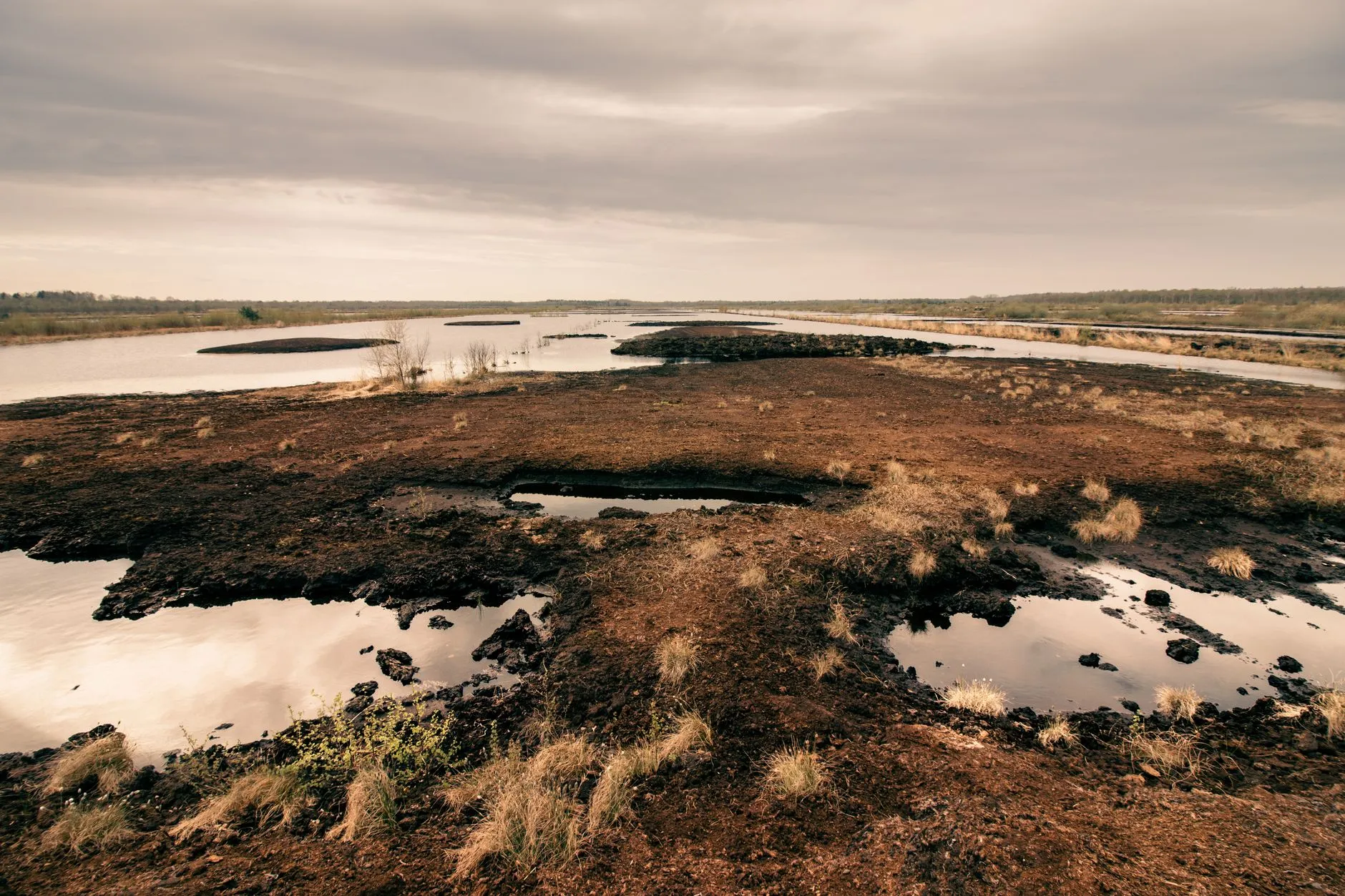
Shetland council targets 350 hectares of degraded peatland for annual restoration
Shetland Islands Council is considering a pilot peatland restoration programme on its own landholdings. The proposal follows the council's latest climate report, which confirmed that degraded peat remains the largest source of land-based emissions across its estate. Annual restoration could begin at 350 hectares through 2028, with a potential increase to 2,500 hectares from 2030 if the pilot proves successful.
The plan addresses a persistent problem. Degraded peatland still accounts for nearly half of the council's total emissions, despite overall greenhouse gas output falling by 15,509 tonnes since the 2019/20 baseline. Land emissions made up 49.6% of the council's carbon footprint in 2024/25, down from 51.3% in the baseline year but still substantial.
For councils managing large rural estates, the numbers illustrate why peatland restoration has moved from an environmental consideration to a central climate measure. Healthy peat bogs store carbon. Degraded ones release it. Restoring damaged peatland therefore cuts emissions at source rather than offsetting them elsewhere.
Why degraded peat dominates Shetland's land emissions
Shetland's peatlands are extensive, but decades of erosion, drainage and overgrazing have left many sites degraded. When peat dries out or erodes, the carbon stored over thousands of years begins to escape as carbon dioxide. The council's land-carbon assessment identified degraded peat bog as the single largest contributor to emissions from its landholdings.
That assessment also modelled the long-term benefits of restoration. Restoring all degraded peat bog on council land offered the greatest cumulative carbon reduction over a 50-year period. Across Shetland more broadly, targeting the most severely degraded sites delivered the largest potential climate benefit in the scenarios tested.
The findings gave the council a clear direction. Consequently, a working group was established to design a pilot project and explore the legal and financial frameworks needed to restore peat on council-owned land. Engagement with the Shetland Peatland Partnership has also increased, with the aim of accelerating restoration and expanding public involvement.
The proposed pilot covers legal access, funding and phased targets
The pilot would begin on council landholdings, with an initial target of 350 hectares restored each year through 2028. If the approach works, restoration could scale up to 2,500 hectares annually from 2030. The council has discussed funding possibilities through the government-backed Peatland Action programme and has held talks with a common grazings committee about starting a project in the coming year.
Depute development and infrastructure director Claire Ferguson said the work would examine the economic case and funding models. Meanwhile, climate change officer Elizabeth Clarke pointed to possible external funding support. The council is working through several practical challenges, including legal access to land, ownership arrangements, grazing rights and finance.
These challenges are significant. Many peatland areas in Shetland are subject to common grazing arrangements, which require agreement among multiple stakeholders before restoration can begin. Legal access to land, especially where boundaries are complex or historical use rights apply, adds another layer of complexity. Therefore, the pilot is as much a test of governance as it is of ecological technique.
Nevertheless, the council's climate progress report shows why the issue is pressing. Annual greenhouse gas emissions fell by 2,836 tonnes year on year and by 15,509 tonnes from the 2019/20 baseline. However, land still accounted for 49.6% of total emissions in 2024/25. A significant reduction of 10,569 tonnes of carbon dioxide equivalent has been achieved since the baseline, largely through selling land with degraded peatland. The council notes that this transferred emissions rather than eliminated them.
Restoration delivers long-term carbon reductions, but requires upfront investment
Peatland restoration is not a quick fix. Blocking drainage channels, stabilising eroded areas and re-wetting dried peat takes time and money. Initial costs can be substantial, particularly where access is difficult or where sites are large and badly degraded. However, the carbon benefits accumulate over decades, making restoration one of the most effective long-term climate interventions available to landholders.
For UK businesses and public bodies with net-zero commitments, peatland on owned or managed land presents both a risk and an opportunity. Degraded peat contributes to emissions profiles, which can affect carbon reporting under frameworks such as PPN 06/21. Restoration, by contrast, reduces those emissions and can support wider environmental targets, including biodiversity and water quality improvements.
Shetland's proposal is significant because it shifts the council from simply reporting land-related emissions to managing them directly through a restoration programme on its own estate. Furthermore, it reflects a broader move toward treating peatland as climate infrastructure: a natural asset that can either worsen emissions when damaged or help reduce them when restored.
The council's land-carbon assessment provided the evidence base for this approach. It quantified the emissions from different land-cover types on council holdings and modelled the impact of various interventions. Restoring degraded peat bog emerged as the most effective measure, both in terms of cumulative carbon reduction and cost-effectiveness over time.
Public sector peatland projects face governance as well as ecological challenges
Scaling peatland restoration in Shetland is not just an ecological challenge. It is a governance one. The council is still working through legal access, ownership, grazing arrangements and finance, which suggests that delivering large-scale restoration on mixed-use land requires coordination across multiple legal and administrative frameworks.
If the pilot succeeds, it could become a template for how local authorities in peat-rich areas fund and deliver restoration at scale. Many councils across Scotland, northern England and Wales manage land with degraded peatland. Few have yet developed systematic restoration programmes. Shetland's approach, therefore, offers a potential model for others.
Shetland has already seen peatland projects elsewhere on the islands. Restoration work at Murraster and Herra in Yell has demonstrated that ecological recovery is possible. However, the council's proposal would put the local authority itself in the role of landholder and pilot operator, potentially increasing the pace and reach of intervention.
Earlier regional climate analysis has described Shetland's peatlands as a major driver of land emissions. It has also noted that restoration costs can be substantial, particularly where sites are remote or severely degraded. The council's pilot is both a climate measure and a test of whether restoration can be scaled at the pace required to make a material difference.
Summary of the key facts
- Shetland Islands Council is considering a peatland restoration pilot on its own landholdings, with an initial target of 350 hectares per year through 2028.
- The programme could scale up to 2,500 hectares annually from 2030 if the pilot proves successful.
- Annual emissions fell by 2,836 tonnes in 2024/25 and by 15,509 tonnes from the 2019/20 baseline, but land still accounted for 49.6% of total emissions.
- A significant land-emissions reduction of 10,569 tonnes of carbon dioxide equivalent has been made since the baseline, largely through selling land with degraded peatland, which transferred emissions rather than eliminated them.
- The council's land-carbon assessment concluded that peatland restoration on council landholdings could cut cumulative emissions over the long term, with the restoration of all degraded peat bog offering the strongest benefit.
- The council has discussed funding possibilities through the government-backed Peatland Action programme and has held talks with a common grazings committee about starting a project in the coming year.
What councils and landholders should consider
For local authorities and businesses managing rural land, Shetland's pilot highlights several practical considerations. First, degraded peatland on owned or managed estates can represent a substantial proportion of total emissions. Understanding the scale of that contribution requires baseline assessment, ideally using land-carbon modelling or similar tools.
Second, restoration is a long-term intervention. It requires upfront investment, coordination with land users and agreement on access and management. However, the carbon benefits accumulate over decades, making restoration one of the most effective measures for reducing land-based emissions.
Third, funding routes exist. The Scottish Government's Peatland Action programme has supported numerous restoration projects across Scotland. Similar schemes operate in other parts of the UK. Councils and landholders considering restoration should explore these options early, as funding cycles and eligibility criteria can shape project timelines.
Fourth, governance matters. Where land is subject to common grazing, leasing arrangements or historical use rights, restoration requires negotiation and agreement among multiple parties. Legal access, liability and long-term management responsibilities need to be clarified before work begins.
For businesses with carbon reporting obligations, peatland on managed land may already appear in emissions inventories. Restoration can reduce those reported emissions, but only if the work is documented and the carbon benefits are quantified. This requires clear baseline data and ongoing monitoring.
Shetland's approach also demonstrates the value of partnership. The council has engaged with the Shetland Peatland Partnership, common grazings committees and potential funders. This collaborative model may prove essential for other authorities looking to scale restoration across complex land holdings.
We support councils and businesses through carbon reporting and compliance, including emissions from land holdings. Where peatland is part of the estate, understanding the baseline and the impact of restoration can inform both climate strategy and reporting accuracy.
Where to find additional guidance and resources
The Scottish Government's Peatland Action programme provides funding and technical support for restoration projects across Scotland. Details are available on the NatureScot website. The programme covers feasibility studies, design work and implementation, and it has supported over 28,000 hectares of restoration since 2012.
The Scottish Government's Climate Change Plan sets out the national context for peatland restoration as part of Scotland's route to net zero. It includes targets for peatland condition and identifies restoration as a key land-use measure.
For councils and public bodies, the Public Sector Leadership on Climate Change guidance outlines the expectations and reporting frameworks that apply to local authorities. This includes emissions from land holdings and the role of nature-based solutions.
The International Union for Conservation of Nature has published technical guidance on peatland restoration, including best-practice approaches for site assessment, design and monitoring. This is available through the IUCN UK Peatland Programme.