
Study: Reducing Shipping Emissions through Port Electrification
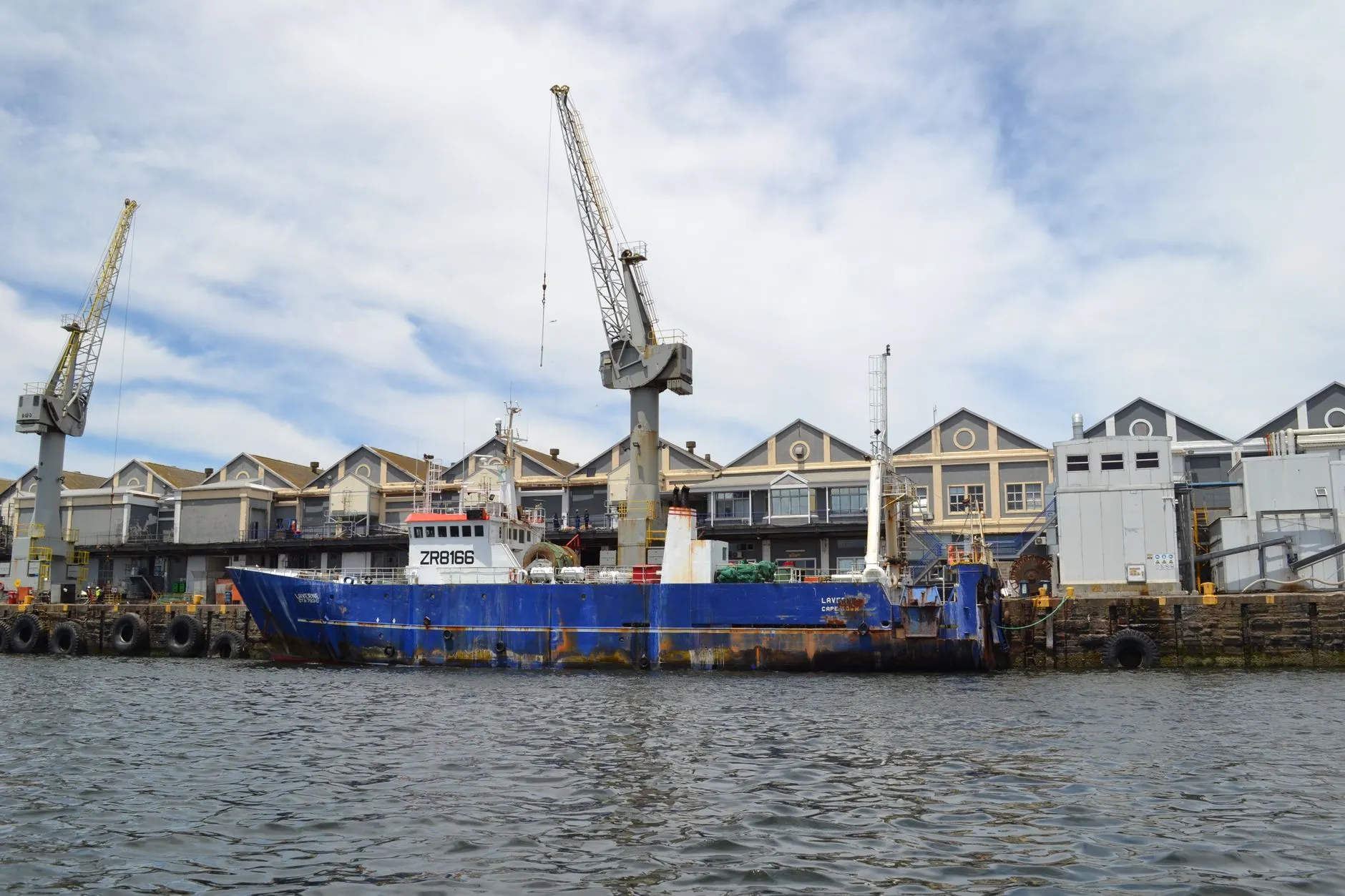
Port emissions account for 10% of global shipping's carbon footprint
A recent analysis from University College London has found that approximately 10% of international shipping's greenhouse gas emissions occur within port areas. The finding comes from data covering 1.2 million voyages by more than 43,000 vessels. More importantly, researchers say a significant portion of these emissions could be cut using technologies already available at ports today.
The study highlights three main approaches that are ready to deploy now. Shore power allows ships to plug into electricity while berthed instead of running diesel generators. Battery-electric propulsion can power vessels during low-speed maneuvering or idle periods. Finally, battery conversion offers a practical option for short-sea vessels operating on suitable routes.
Global shipping produces roughly 1 gigatonne of greenhouse gas emissions annually. That represents about 2% to 3% of total human-caused emissions, according to UCL's Shipping and Oceans team. Consequently, maritime decarbonization has become a major climate policy priority for governments and regulators worldwide.
Short-distance shipping offers the clearest path to electrification
The challenge with maritime emissions has always been technical feasibility. Open ocean routes are difficult to electrify because of the distances involved and the energy density required. However, port operations and short-distance shipping present far more manageable opportunities for battery technology and grid connection.
This is where the new UCL research becomes particularly relevant. The emissions occurring in port areas are concentrated enough to target efficiently, yet large enough to make a meaningful difference to overall shipping emissions. In addition, the technology needed to address them is mature and proven.
The research connects to the Shipping GHG Emissions Explorer, an interactive tool designed to improve visibility into global shipping activity and route-level emissions. The project aims to give policymakers better evidence when designing emissions rules and port-transition strategies. Negotiators at the International Maritime Organization can use this data to shape future regulatory frameworks.
UCL researchers found that small island nations face disproportionate exposure to port-area shipping emissions. Seven out of ten countries in Latin America and the Caribbean with the highest in-port emissions are small island nations. Similarly, eight out of ten countries in East Asia Pacific with elevated port emissions are islands. Their in-port emission shares often exceed 20% of total shipping emissions in their waters.
Shore power infrastructure remains underdeveloped across UK ports
Shore power, also called cold ironing, allows vessels to shut down auxiliary engines while docked. Instead, ships draw electricity directly from the port's grid. This eliminates emissions from diesel generators that would otherwise run continuously during berthing.
The technology itself is straightforward. A ship connects to a high-voltage power supply on the quayside. The vessel's electrical systems run on grid power until departure. As a result, both greenhouse gas emissions and local air pollution drop significantly during the berthing period.
Nevertheless, shore power adoption in the UK has been slow. Infrastructure investment is needed both portside and aboard vessels. Ships must be retrofitted with compatible connection systems. Ports must install high-capacity electrical equipment and ensure grid capacity can meet demand from multiple vessels simultaneously.
Regulatory drivers are starting to appear. The European Union has introduced requirements for certain vessel types to use shore power at major ports. Meanwhile, the UK government has signaled interest in similar measures as part of broader maritime decarbonization targets. Therefore, ports without shore power infrastructure may face competitive disadvantages in the coming years.
Battery technology suits harbor operations and short-sea routes
Battery-electric propulsion works well for specific maritime applications. Harbor tugs, ferries, and short-sea cargo vessels are particularly suitable candidates. These vessels operate on predictable routes with frequent opportunities to recharge.
The UCL study emphasizes that batteries can also support maneuvering and idle operations for larger ships. When a container ship or tanker enters port, it typically operates at very low speeds. Battery power can handle these low-demand periods without running the main engines. Consequently, emissions during arrival, berthing, and departure can be substantially reduced.
Several UK operators have already begun testing battery-electric vessels on short routes. For example, ferry operators in Scotland have deployed hybrid and fully electric ferries on island routes. The operational experience has generally been positive, though charging infrastructure remains a limiting factor for wider adoption.
Conversion costs vary depending on vessel size and operational profile. Smaller vessels on shorter routes see faster payback periods. However, battery weight and space requirements still pose challenges for some vessel types. Furthermore, the cost of marine-grade battery systems remains higher than equivalent automotive batteries due to safety and environmental standards.
International shipping emissions total 575 million tonnes of CO2e
The UCL analysis provides specific figures that help quantify the scale of port-area emissions. International shipping produced 575 million metric tonnes of carbon dioxide equivalent in the dataset examined. With 10% of emissions occurring in port areas, that translates to approximately 57.5 million tonnes that could potentially be reduced through electrification measures.
However, the broader UCL estimate for total shipping emissions is about 1 gigatonne annually. This includes domestic shipping and other activities not captured in the voyage-level dataset. Either way, the sector represents a meaningful share of global emissions that cannot be ignored in climate policy.
The research covered 1.2 million individual voyages by more than 43,000 vessels. This sample size provides a robust foundation for the findings. Moreover, the geographic granularity allows researchers to identify where emissions are concentrated and where interventions would have the greatest impact.
Port areas with high traffic volumes naturally account for larger absolute emissions. Major container ports, bulk terminals, and tanker facilities see continuous vessel movements throughout the day. These locations represent the highest-value targets for electrification investment because the emissions reductions scale with traffic levels.
Vessel types and operational patterns determine electrification potential
Not all ships are equally suited to electrification. Cargo vessels on regular short-sea routes are the most viable candidates for full battery conversion. Ferries and passenger vessels also work well because their schedules allow predictable charging windows.
Container ships and bulk carriers on longer routes present a different picture. Full electrification is not realistic for deep-sea voyages with current battery technology. Nevertheless, these vessels can still benefit from battery-assisted maneuvering and shore power during port calls. Each berthing period becomes an opportunity to cut emissions without changing the vessel's primary propulsion system.
Tankers and specialized vessels face additional constraints. Safety regulations around battery installations near flammable cargo require careful engineering. Furthermore, the space and weight budgets on these vessels are tightly optimized for cargo capacity. Adding batteries means reducing payload unless structural modifications are made.
The UCL research does not prescribe a single solution for all vessel types. Instead, it identifies where existing technologies can be deployed immediately and where further development is needed. This approach recognizes that maritime decarbonization will require multiple pathways depending on operational requirements.
Air quality benefits extend beyond carbon reduction targets
Port electrification delivers benefits beyond greenhouse gas reduction. Ships burning diesel fuel in port areas emit nitrogen oxides, sulfur oxides, and particulate matter. These pollutants affect air quality in surrounding communities, particularly in densely populated port cities.
Switching to shore power or battery operation eliminates these local emissions during berthing. Consequently, the health impacts on nearby residents decrease. This dual benefit strengthens the economic case for port electrification, especially in areas where air quality regulations are tightening.
Several UK ports are located near residential areas or within urban boundaries. Southampton, Liverpool, and London all have significant populations living close to active shipping operations. Therefore, electrification measures at these ports would deliver measurable air quality improvements in addition to climate benefits.
The regulatory landscape is starting to reflect this reality. Local authorities have begun including port emissions in air quality management plans. Some cities have introduced low-emission zones that affect port operations. Meanwhile, public health research continues to document the health costs of maritime emissions in populated areas.
Summary of key findings from the UCL study
- International shipping emissions in the UCL dataset totaled 575 million metric tonnes of CO2 equivalent, with approximately 10% occurring in port areas.
- The analysis covered 1.2 million voyages by more than 43,000 vessels, providing a comprehensive view of global shipping emissions patterns.
- Shore power, battery-electric maneuvering, and battery conversion for short-sea vessels are mature technologies that can reduce port emissions immediately without waiting for future fuels.
- Small island nations in Latin America, the Caribbean, and East Asia Pacific are disproportionately affected by port-area shipping emissions, often exceeding 20% of their total shipping emissions.
- Global shipping produces approximately 1 gigatonne of greenhouse gas emissions annually, representing 2% to 3% of total human-caused emissions worldwide.
Infrastructure investment will determine the pace of emissions reduction
The technical potential for port electrification is clear. However, realizing that potential depends on substantial infrastructure investment. Ports need high-capacity electrical connections, shore power installations, and charging facilities. Ships need compatible electrical systems and, in some cases, battery installations.
Grid capacity is often the limiting factor. Many ports operate in areas where the local electricity grid was not designed to support the sudden, high-demand loads that shore power creates. Therefore, grid upgrades must accompany port-side installations. This coordination between port authorities, electricity network operators, and government regulators is essential but often slow.
Funding mechanisms vary across the UK. Some ports have accessed government grants for decarbonization projects. Others have partnered with shipping companies to share the cost of electrification infrastructure. Nevertheless, the scale of investment required to electrify major UK ports runs into hundreds of millions of pounds.
The business case for port electrification improves as electricity becomes cleaner. Shore power fed by renewable energy delivers greater emissions reductions than power from fossil fuel generation. Consequently, ports in regions with high renewable electricity penetration see stronger environmental benefits from electrification measures.
Policy coordination across borders will shape maritime decarbonization
Shipping is inherently international. Vessels cross multiple jurisdictions during a single voyage. Therefore, effective maritime decarbonization requires coordinated policy across countries and regions. Inconsistent standards or requirements create compliance challenges for ship operators.
The International Maritime Organization plays a central role in setting global emissions standards. However, progress at the IMO has been slow compared to other sectors. Regional initiatives, particularly in Europe, have moved faster to introduce emissions requirements and shore power mandates.
The UK's position post-Brexit adds complexity. British ports must consider both domestic regulations and alignment with European standards to remain competitive. Ships calling at UK ports often continue to European destinations. Consequently, divergent requirements could create operational inefficiencies or competitive disadvantages.
The UCL research provides evidence that policymakers can use to design more effective interventions. By quantifying port-area emissions and identifying where reductions are most feasible, the study helps target regulatory efforts and infrastructure investment. Furthermore, the data supports international negotiations by providing a clear picture of where emissions occur and which measures can address them.
Businesses face near-term decisions on vessel operations and compliance
Shipping companies and port operators cannot wait for perfect policy alignment before acting. The regulatory direction is clear, even if specific requirements remain in development. Companies that invest early in electrification capabilities may gain competitive advantages as emissions standards tighten.
For ship operators, the decision centers on which vessels to prioritize for electrification upgrades. Short-sea traders and vessels on regular port rotations offer the clearest business case. The operational patterns suit battery technology, and the infrastructure availability is improving at major ports.
Port operators face different considerations. Shore power installations require upfront capital but can attract environmentally conscious shipping customers. In addition, ports with electrification infrastructure may be better positioned to meet future regulatory requirements. However, the return on investment depends heavily on utilization rates and electricity pricing.
Supply chain pressure is also building. Large cargo owners and freight customers increasingly ask about emissions performance. Tender specifications for shipping services now often include carbon intensity requirements. As a result, shipping companies without credible decarbonization plans may lose business to competitors who can demonstrate emissions reductions.
At SBS, we work with businesses across the supply chain to navigate these transitions. Our net-zero program helps companies understand their emissions profile and identify practical reduction measures. For businesses involved in maritime operations or dependent on shipping, understanding port-area emissions and electrification options is becoming essential for both compliance and commercial competitiveness.
Further information on maritime emissions and port electrification
The Department for Transport publishes policy updates on maritime decarbonization and the UK's approach to shipping emissions reduction. Their clean maritime plan sets out the government's strategy for achieving zero-emission shipping.
The International Maritime Organization maintains the global regulatory framework for shipping emissions. Their website provides information on international agreements, emissions reduction targets, and technical guidelines for ship operators.
UCL's Shipping and Oceans research program offers detailed technical analysis on maritime decarbonization pathways. The Shipping GHG Emissions Explorer tool provides interactive data on global shipping emissions patterns.
The British Ports Association represents UK port operators and provides industry perspectives on decarbonization challenges and opportunities. Their publications cover infrastructure investment, regulatory developments, and operational best practices for emissions reduction.