
Sizewell C: MPs warn nuclear project funding model is a 'terrible deal' for UK taxpayers
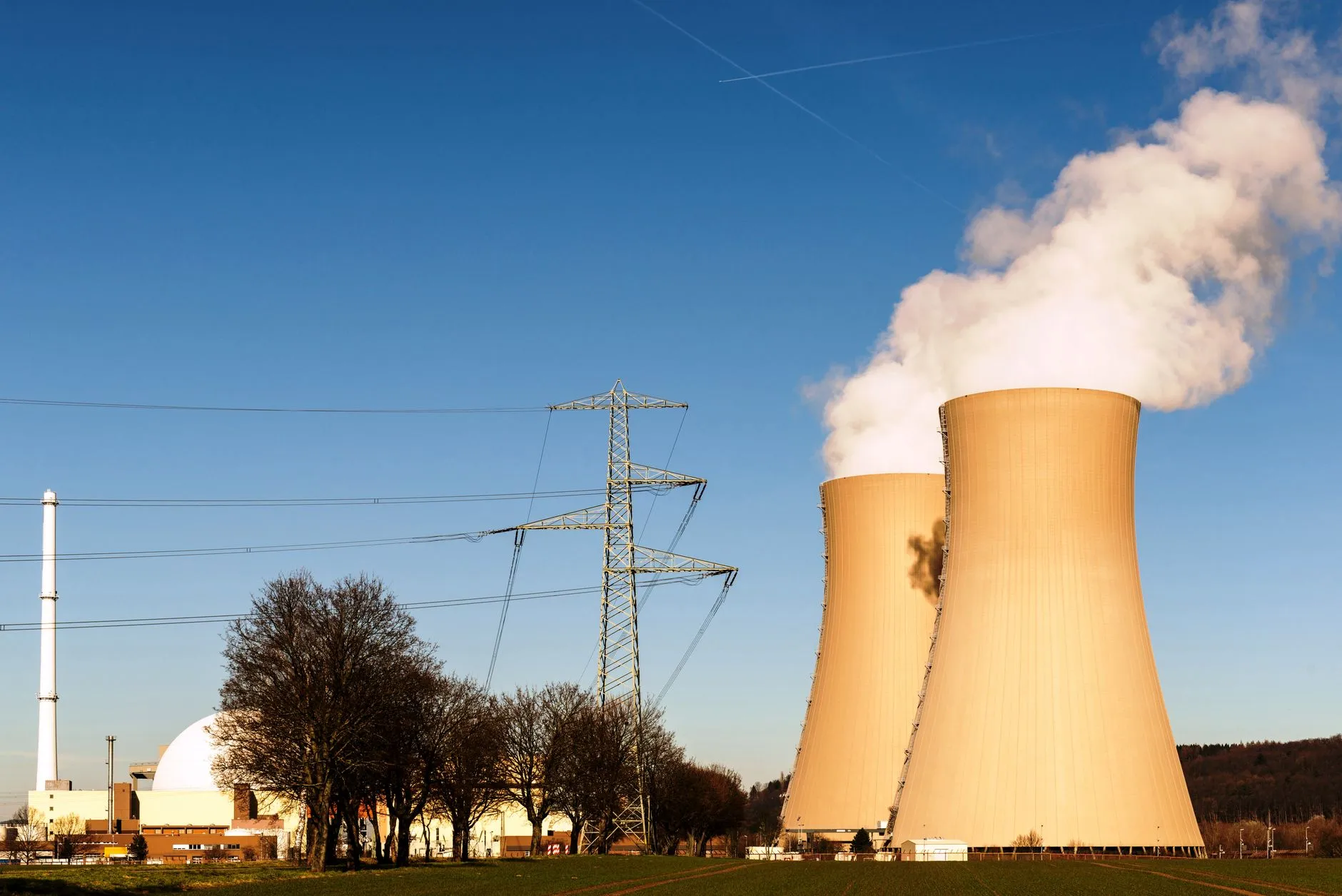
A major nuclear project on the Suffolk coast has sparked warnings that UK households and taxpayers may end up carrying financial risks that far exceed those faced by its private investors. The Sizewell C power station received final government approval in July 2025, but the House of Commons Public Accounts Committee has described its financing structure as a terrible deal for the public.
The controversy centres on how the project distributes risk. Consumers will pay charges through their electricity bills during construction. Taxpayers are providing significant equity funding. However, if costs rise substantially, the committee says households could face billions in additional charges while private investors contribute relatively modest sums.
This matters because Sizewell C uses a financing model that shifts construction risk away from investors and onto consumers earlier than previous nuclear projects. Consequently, the financial consequences of delays or overruns would fall disproportionately on households rather than being shared evenly across all participants.
Two reactors designed for six million homes
Sizewell C will consist of two European Pressurised Reactors built next to the existing Sizewell B station on the Suffolk coast. The design replicates the reactors under construction at Hinkley Point C in Somerset. Once operational, the plant is expected to generate enough electricity for approximately six million homes and run for at least 60 years.
The government approved final investment on 22 July 2025. Officials described the project as the country's largest clean energy investment in a generation. The target construction cost stands at approximately £38 billion in 2024 prices.
Ministers argue the station will strengthen energy security by providing continuous low-carbon electricity alongside intermittent renewable sources. The project also forms part of a broader strategy to expand nuclear capacity after years of limited construction in the sector. Furthermore, officials expect the project to support around 10,000 jobs and reinforce domestic supply chains.
Regulated asset base funding transfers construction risk to consumers
Unlike Hinkley Point C, Sizewell C is being financed through a regulated asset base model. This approach allows the project to collect revenue from consumers during construction rather than waiting until electricity generation begins. The government argues this lowers borrowing costs and could deliver savings of around 20% compared with Hinkley Point C.
Under the structure, consumers contribute to construction costs through charges added to electricity bills while the plant is being built. This mechanism reduces the amount of financing that must be raised after completion. However, it also means consumers assume part of the construction risk before receiving any electricity from the station.
The government initially took a 44.9% equity stake, making it the largest single shareholder. Other participants include EDF, Centrica, La Caisse and Amber Infrastructure. The National Wealth Fund is providing most of the debt finance alongside commercial banks. Ministers say total financing exceeds the target construction cost, creating a buffer against potential overruns.
Despite this public investment, control has passed to a delivery body primarily owned by private investors. This arrangement has prompted the Public Accounts Committee to question whether the public is providing most of the money while accepting most of the downside risk.
Cost forecasts range up to £47.7 billion
The committee estimates total construction costs could reach between £40.5 billion and £47.7 billion. Completion is expected between 2039 and 2043. These figures exceed the government's target cost by a considerable margin.
If costs rise to the upper end of this range, the Public Accounts Committee says consumers could pay an additional £9.8 billion during construction through higher electricity bills. Over the plant's 60-year operating contract, households might face a further £12 billion in charges. Meanwhile, private investors may need to provide only about £30 million in additional funding if costs escalate.
The committee described this arrangement in stark terms. Chair Sir Geoffrey Clifton-Brown said the high level of risk borne by taxpayers and consumers was extraordinary. He added that private investors appeared likely to receive significant returns while customers could be left with higher bills.
The committee also questioned whether annual investor returns exceeding 10% could be justified given the limited financial exposure faced by private investors if costs rise. This concern reflects a broader unease about whether the financing structure appropriately balances reward with risk across all participants.
European Pressurised Reactor design has suffered repeated delays
The Public Accounts Committee's criticism focuses heavily on the EPR design selected for Sizewell C. The same design is being used at Hinkley Point C, where construction has experienced substantial delays and rising costs. The committee noted a clear pattern of significant delays and cost escalations in comparable projects.
Notably, the committee stated that no comparable nuclear power station anywhere in the world has been built on time and to budget. Hinkley Point C was initially expected to begin generating electricity in 2025. That timetable has since been pushed back, increasing scrutiny of whether Sizewell C can be delivered within its planned schedule.
The government argues that building Sizewell C as a near-replica of Hinkley Point C should reduce design and construction risk. Officials say the approach allows the project to benefit from lessons learned on Hinkley and generate savings through standardisation of components and processes.
The Public Accounts Committee, however, considers the EPR's track record a reason for stronger safeguards rather than reassurance. Its concern is that cost overruns would not be shared evenly. Consumers would face higher bills while investors' additional exposure remained comparatively small.
Decommissioning costs could fall to taxpayers decades from now
The committee raised concerns extending beyond construction. If money set aside during the plant's operating life proves insufficient to cover eventual decommissioning costs, taxpayers could be required to meet the shortfall. This creates a potential liability that may not materialise for many decades.
Nuclear decommissioning involves dismantling the station and managing radioactive waste. These costs are difficult to estimate accurately decades in advance. Inflation, regulatory changes and technical challenges can all drive actual costs above initial projections.
The committee has therefore called for Funded Decommissioning Programme reports to be published every five years. These reports should include comparisons between funds accumulated and expected decommissioning costs. This would allow Parliament and the public to monitor whether provisions remain adequate over time.
For businesses in the supply chain, this long-term perspective matters. Companies considering involvement in nuclear projects need to understand not just construction opportunities but also the regulatory and financial environment that will shape the sector for decades.
Six-month reporting demanded to track cost and schedule
The committee says annual updates are inadequate for a project of this scale and risk. It wants Sizewell C Ltd and the Department for Energy Security and Net Zero to publish reports every six months covering actual and forecast construction costs, changes to cost and schedule projections, and progress against key milestones.
These reports should also detail changes in risks faced by taxpayers and consumers, expected effects on household energy bills, and forecast returns to investors. The aim is to give Parliament and the public earlier warning of emerging problems.
More frequent reporting would make investor returns and the distribution of financial risk more visible. It would also allow earlier intervention if costs begin to escalate or schedules slip. Consequently, this transparency mechanism could help mitigate some of the committee's concerns about accountability.
For SMEs involved in the nuclear supply chain, more frequent public reporting could provide better visibility of project health and upcoming procurement needs. However, it may also expose problems earlier, potentially affecting confidence in the project's viability.
Essential facts about Sizewell C funding and risk
- The target construction cost is approximately £38 billion in 2024 prices, with total costs potentially reaching £47.7 billion according to the Public Accounts Committee.
- Consumers will pay charges through electricity bills during construction under the regulated asset base model, transferring construction risk to households before the plant generates any electricity.
- The government holds a 44.9% equity stake but has relinquished majority control to a delivery body primarily owned by private investors.
- If costs reach the upper estimate, consumers could pay an additional £9.8 billion during construction and £12 billion over the operating contract, while private investors may contribute only £30 million more.
- The plant is expected to operate for at least 60 years and provide electricity for approximately six million homes, with completion forecast between 2039 and 2043.
- No comparable nuclear power station using the European Pressurised Reactor design has been built on time and to budget anywhere in the world.
- Taxpayers could face additional liabilities if decommissioning costs exceed funds set aside during the plant's operating life.
Commercial realities for UK businesses and supply chains
The Sizewell C controversy highlights a difficult trade-off affecting energy-intensive businesses and the broader economy. Nuclear power can provide continuous low-carbon electricity, helping to stabilise prices and reduce dependence on gas when renewable output is low. However, construction costs and risks must be distributed among taxpayers, consumers and investors.
For manufacturers and other businesses with significant electricity consumption, the financing structure matters. If construction proceeds smoothly, the regulated asset base model may reduce overall financing costs compared with alternative approaches. This could eventually translate into more affordable electricity prices once the plant becomes operational.
If delays and overruns occur, however, businesses will see higher electricity bills before receiving any benefit from the new capacity. Small and medium-sized enterprises with tight margins may find these additional charges particularly difficult to absorb. Moreover, the charges will apply regardless of whether a business uses electricity at times when Sizewell C would be generating.
The financing model also affects companies involved in the nuclear supply chain. Regulated asset base funding can provide more stable revenue during construction, potentially making supply contracts more attractive. On the other hand, frequent public scrutiny of costs and investor returns may increase pressure on suppliers to demonstrate value.
Businesses bidding for public sector contracts may also see indirect effects. Many public bodies now require suppliers to demonstrate credible net zero plans as part of procurement processes. Our net zero program helps suppliers meet carbon reporting requirements for frameworks including PPN 06/21. The government's commitment to nuclear as part of the energy mix signals that large-scale infrastructure will remain central to UK decarbonisation strategy, even as financing models evolve.
Energy security considerations matter for business planning. Sizewell C is expected to generate electricity for 60 years, providing long-term baseload capacity. This continuity can support investment decisions that depend on stable electricity supply. However, the 2039 to 2043 completion timeline means businesses cannot rely on this capacity for nearly two decades.
For businesses in Suffolk and the surrounding region, the project represents significant economic activity during construction. Supporting approximately 10,000 jobs creates opportunities for local suppliers and service providers. Nevertheless, cost escalation could affect the scale and timing of procurement, making forward planning more difficult.
Policy balance between capacity, cost and control
The government faces three competing objectives. First, it must build enough reliable low-carbon capacity to support the UK's electricity system as gas generation is phased down. Second, it needs to attract private capital into a sector where projects have historically suffered delays and cost overruns. Third, it wants to avoid placing the full cost of nuclear construction on public finances.
The Public Accounts Committee's criticism suggests the current model achieves the second and third objectives by transferring too much risk to consumers. Its concern is not simply that Sizewell C could become more expensive. Rather, the contractual structure may leave the public paying for overruns without having equivalent control over the project or a proportionate share of its financial returns.
Successful delivery on time and close to budget would strengthen the case for using the regulated asset base model on future nuclear projects. It would demonstrate that the approach can reduce financing costs without exposing consumers to excessive risk. A major overrun, by contrast, could damage public confidence in the financing model and make future nuclear investment harder to justify politically.
The outcome will also influence how the UK balances different low-carbon technologies. Nuclear provides baseload capacity but requires enormous upfront investment and long construction periods. Renewable sources cost less to build but generate intermittently. Energy storage and grid flexibility can help manage intermittency but add their own costs. The success or failure of Sizewell C will shape decisions about this technology mix for decades.
What businesses should consider about energy policy direction
Sizewell C represents a long-term bet on nuclear capacity as part of the UK's energy mix. Businesses making investment decisions need to understand that electricity policy is shifting towards greater reliance on low-carbon sources, but the path involves significant financial and delivery risks.
Energy-intensive sectors should monitor the project's progress carefully. Cost overruns would likely appear in electricity bills during construction, affecting operating costs before new capacity becomes available. Consequently, businesses may need to factor potential electricity price volatility into medium-term financial planning.
Companies involved in construction, engineering or specialised manufacturing may find supply chain opportunities as the project moves forward. However, the Public Accounts Committee's demand for six-monthly cost reporting suggests suppliers will face increasing scrutiny over value and efficiency. Firms considering participation should ensure they can demonstrate competitive pricing and delivery capability.
For businesses working to meet carbon reporting and ESG compliance requirements, the controversy illustrates how decarbonisation infrastructure involves complex trade-offs between cost, risk and timescale. Understanding these trade-offs can help businesses communicate more credibly about their own net zero strategies and the challenges involved in delivering them.
The project also highlights the growing importance of transparent reporting on major infrastructure investments. Businesses can expect similar demands for detailed cost and progress reporting on their own sustainability commitments, particularly where those commitments affect stakeholders beyond shareholders.
Ultimately, Sizewell C is a test of whether Britain can deliver large-scale nuclear power using a financing model that protects public finances while attracting private investment. The outcome will influence not just future nuclear policy but also broader approaches to funding low-carbon infrastructure. Businesses should therefore watch not only whether the project succeeds technically but also whether its financing structure proves politically sustainable.
Where to find detailed information and official guidance
The Department for Energy Security and Net Zero published the government's announcement on Sizewell C final investment decision in July 2025, including details of the financing structure and expected construction timeline.
The House of Commons Public Accounts Committee published its report on Sizewell C in early 2025, setting out concerns about risk distribution and calling for more frequent reporting on costs and progress.
The Energy Act 2022 on legislation.gov.uk provides the legal framework for the regulated asset base model being used to finance Sizewell C and establishes the mechanism for collecting charges from consumers during construction.
Businesses seeking support with carbon measurement and reporting can access resources through our SBS Academy training programmes, which cover Scope 1, 2 and 3 emissions accounting relevant to supply chain compliance requirements.