
London Stadium’s Rooftop Solar Milestone and McVitie’s Maker’s SBTi Validation
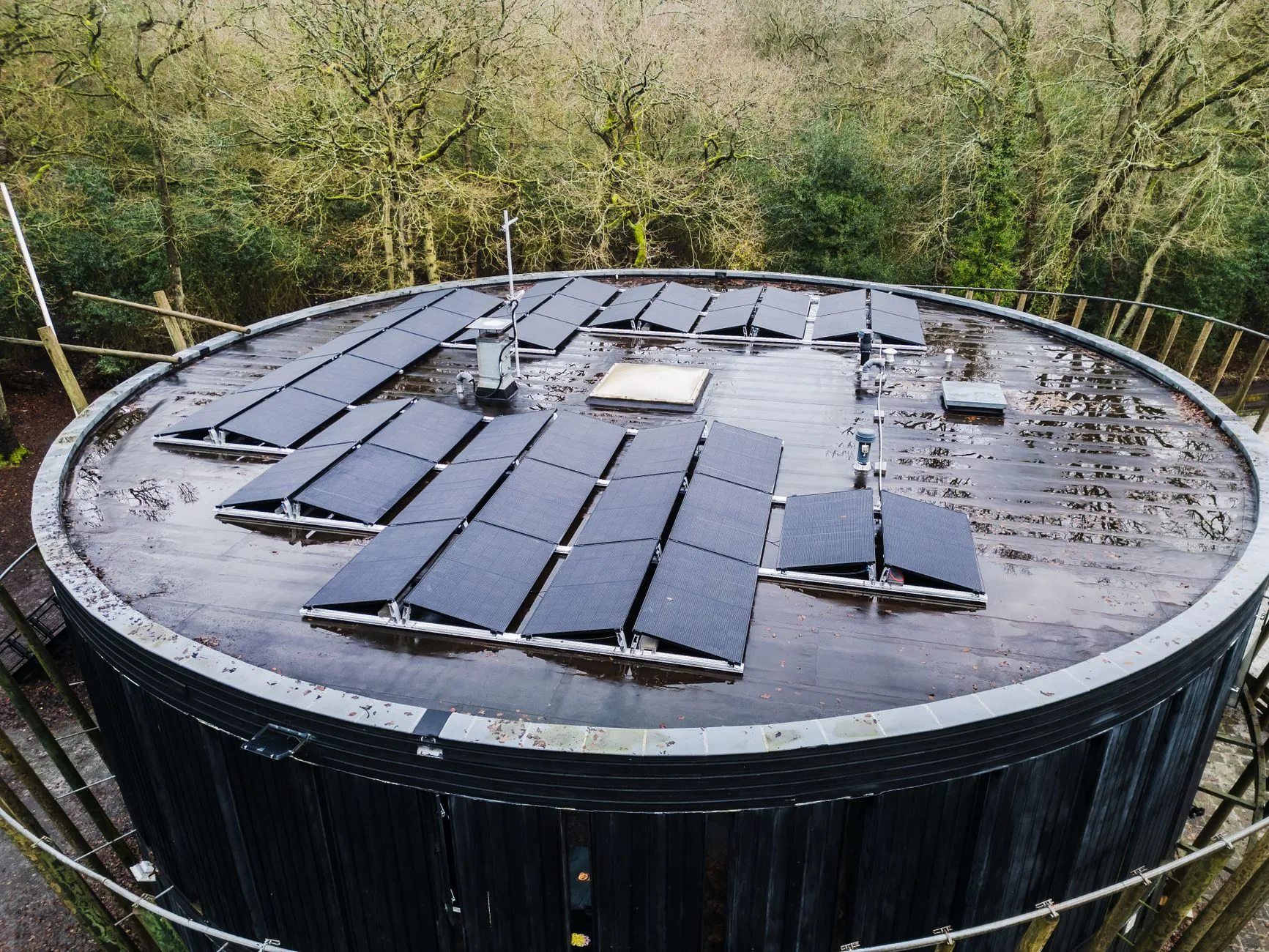
Two recent announcements show how businesses are translating sustainability plans into verifiable outcomes. London Stadium has surpassed 1 million kilowatt-hours of rooftop solar generation since commissioning its array in July 2025. Meanwhile, pladis has secured validation from the Science Based Targets initiative for climate commitments that address emissions across its entire value chain. One focuses on infrastructure. The other tackles supply-chain decarbonisation. Both demonstrate the shift from stating ambitions to delivering measurable results.
These developments matter because they reflect two distinct challenges facing UK organisations. High-energy facilities such as stadiums must find ways to reduce grid dependence without compromising operations. Food manufacturers face a different problem: most emissions sit outside their direct control, embedded in farming, logistics, packaging and land use. Consequently, the approaches differ. However, both require capital investment, technical expertise and transparent reporting to maintain credibility.
For businesses assessing their own climate strategies, these examples offer practical reference points. They illustrate what validated progress looks like, the scale of investment involved, and the types of intervention that can reduce carbon footprints in asset-heavy and value-chain-intensive sectors. Understanding how other organisations are moving beyond announcements helps inform decisions about where to allocate resources and what outcomes to prioritise.
Rooftop solar array delivers over 1 million kWh in 14 months
London Stadium's rooftop solar installation generated more than 1 million kilowatt-hours of renewable electricity during its first 14 months of operation. The system became operational in July 2025. By late 2026, cumulative output had exceeded the threshold, equivalent to annual electricity consumption for approximately 350 homes according to stadium estimates.
The installation covers around 6,500 square metres of roof space and comprises 3,350 solar panels. Annual output is projected at 850,000 kilowatt-hours. The stadium reports that generation to date has avoided roughly 177 tonnes of carbon dioxide equivalent emissions each year. In June 2026 alone, the array produced more than 140,000 kilowatt-hours, meeting about 21% of the venue's electricity demand for that month.
Structural constraints shaped the technology choice. The stadium's distinctive membrane roof could not support conventional rigid solar modules due to weight and fire-safety considerations. Ameresco UK, which designed and installed the system, used lightweight flexible photovoltaic modules instead. Populous provided architectural advice. Buro Happold supported structural and electrical engineering. This technical workaround enabled generation capacity without compromising the building's integrity or safety compliance.
Sacha Giovannoni, sustainability manager at London Stadium, described the milestone as significant progress towards becoming one of the UK's most sustainable venues. Justin Jacober, managing director of Ameresco UK, emphasised that the project demonstrates what major facilities can achieve through long-term practical solutions rather than short-term gestures.
The solar array forms part of a broader £4.35 million climate investment programme supported by the Mayor of London's Green Finance Fund. Additional measures include LED lighting retrofits, upgraded chillers and air-handling units, and energy-efficient equipment in food and beverage kiosks throughout the venue. Together, these interventions have reduced energy consumption by approximately 1.9 million kilowatt-hours. The stadium projected electricity cost savings of between 10% and 15% as a result.
Grid electricity consumption has fallen substantially. In 2022, the venue drew around 12 million kilowatt-hours from the grid annually. By 2026, that figure had dropped to approximately 8.5 million kilowatt-hours. This reduction reflects both on-site generation and efficiency improvements across building systems. For a facility hosting concerts, athletics competitions and Premier League fixtures, the scale of energy demand remains substantial. However, the combination of renewable generation and operational efficiency has demonstrably reduced reliance on external supply.
pladis achieves validation for science-based climate targets
pladis, the global snacking company behind brands including McVitie's, GODIVA and Ülker, has secured its first validation from the Science Based Targets initiative. The targets commit the company to reducing Scope 3 emissions by 35% by 2034, measured against a 2023 baseline. pladis also committed to achieving net zero across its full value chain by 2050.
Scope 3 emissions account for approximately 91% of the company's total carbon footprint. These emissions occur outside pladis' direct operations, primarily in agricultural production, packaging, logistics and waste. Consequently, meeting the target depends on influencing practices across thousands of suppliers and farming systems. Validation from the Science Based Targets initiative provides methodological credibility. It confirms that the targets align with climate science and the Paris Agreement's temperature goals. Nevertheless, delivery will require sustained engagement with supply-chain partners and verifiable reductions in absolute emissions.
pladis published the targets alongside its 2025 Sustainability Report and "Happy People, Happy Planet" strategy for 2030. The strategy outlines priority areas including regenerative agriculture, deforestation-free sourcing, packaging innovation and manufacturing efficiency. Specific interventions reported for 2025 include sourcing more than 30,000 tonnes of wheat grown using regenerative practices from approximately 50 UK farmers. This programme reduced emissions by 104 kilograms of carbon dioxide equivalent per tonne of flour, compared with an Agriculture and Horticulture Development Board baseline of 340 kilograms.
Six cocoa-supplying cooperatives received verification from the Earthworm Foundation confirming sourcing from deforestation-free areas. pladis also provided mobile healthcare access to 2,440 cocoa farmers and their families through its Beyond Cocoa programme. By the end of 2025, 94% of global palm oil volumes could be traced to the mill where processing occurred. This traceability supports efforts to exclude palm oil linked to deforestation or habitat destruction from the supply chain.
Packaging represents another focus area. By the end of 2025, 94% of plastic packaging used across the pladis portfolio was recycle-ready. McVitie's completed development and internal testing of recycle-ready packaging for its full Digestives range. Rollout began in 2025 and continues across other formats in 2026. The company has set a target to reduce virgin plastic use by 10% by 2030, addressing both recyclability and material consumption.
Manufacturing efficiency is also part of the strategy. pladis reported a £68 million multi-year investment in its UK bakery network. Projects include new moulding lines, robotics and ovens at sites such as Manchester and Aintree. Once completed, these upgrades are expected to reduce emissions by approximately 876 tonnes of carbon dioxide equivalent annually. The investment addresses operational efficiency while supporting production capacity and food safety standards.
On-site generation reduces grid dependence for energy-intensive venues
Stadiums, arenas and other large venues face substantial and fluctuating electricity demands. Lighting, broadcasting, heating, cooling and catering all contribute to energy consumption that varies sharply depending on event schedules. On-site solar generation cannot eliminate these demands entirely. However, it can reduce reliance on grid electricity, lower operational emissions and potentially improve cost resilience as energy prices fluctuate.
London Stadium's reported output demonstrates the practical contribution that rooftop solar can make. Generating 140,000 kilowatt-hours in a single month and covering 21% of demand for that period represents meaningful grid displacement. Over time, consistent generation lowers the venue's exposure to wholesale electricity price volatility. It also reduces the carbon intensity of operations, particularly relevant for publicly funded assets and organisations seeking carbon reporting compliance or pursuing sustainability certifications.
The project also illustrates technical challenges that arise when retrofitting renewable systems to existing buildings. Membrane roofs, listed structures, planning restrictions and weight limits all constrain what can be installed. In this case, flexible photovoltaic modules addressed structural limitations. Other venues may face different obstacles. Therefore, feasibility studies and specialist engineering input become necessary before committing capital to on-site generation projects.
Importantly, solar generation alone does not constitute a comprehensive decarbonisation strategy. London Stadium combined the array with LED lighting, efficient chillers and upgraded air-handling units. This integrated approach delivered cumulative energy savings of 1.9 million kilowatt-hours and reduced grid consumption by roughly one-third over four years. For businesses evaluating similar investments, the lesson is clear: renewable generation works most effectively when paired with efficiency measures that reduce overall demand.
The £4.35 million investment secured support from the Mayor of London's Green Finance Fund, highlighting how public funding mechanisms can de-risk sustainability projects for publicly owned assets. Many UK businesses lack access to comparable grant programmes. However, organisations tendering for public contracts increasingly face carbon reduction requirements under Procurement Policy Note 06/21. Demonstrating verifiable emissions reductions through on-site generation and efficiency improvements can strengthen tender submissions and meet client expectations.
Value-chain emissions require supply-chain engagement and traceability
For manufacturers, the majority of emissions typically sit outside direct operations. pladis' 91% Scope 3 figure is not unusual in the food sector. Emissions from agriculture, packaging, transport and retail distribution dwarf those from factory operations. Consequently, setting a science-based target for Scope 3 requires fundamentally different interventions compared to on-site energy reduction.
Regenerative agriculture represents one approach. Practices such as cover cropping, reduced tillage and integrated pest management can lower emissions per tonne of crop while improving soil health. pladis reported a 69% reduction in emissions per tonne of flour from its regenerative wheat programme compared with conventional baselines. Scaling this approach depends on farmer engagement, technical support and often financial incentives to offset transition costs and yield risks during the early years of practice change.
Traceability underpins credible deforestation-free commitments. Achieving 94% traceability to the mill for palm oil volumes enables pladis to exclude suppliers linked to forest clearance or peatland conversion. Similarly, verification of cocoa cooperatives by the Earthworm Foundation provides evidence that sourcing aligns with deforestation-free standards. These systems require investment in supply-chain mapping, third-party audits and supplier capacity building. They also require ongoing monitoring, as supply chains shift and sourcing patterns change.
Packaging innovation addresses both emissions and waste. Shifting to recycle-ready formats reduces end-of-life environmental impact. However, it does not necessarily reduce emissions from packaging production. Reducing virgin plastic use by 10% targets material consumption directly. This may involve lightweighting, increased recycled content or format changes that use less material per unit. Each option carries trade-offs related to product protection, shelf life and consumer acceptance. Therefore, development and testing timelines extend over multiple years, as seen with the McVitie's Digestives rollout.
Manufacturing investments also contribute to Scope 3 reduction, particularly where new equipment improves energy efficiency or enables fuel switching. The £68 million pladis bakery investment targets 876 tonnes of annual emissions reduction. This figure may seem modest compared with the company's total footprint. However, it represents emissions within direct control and can be delivered through capital projects with defined timelines and measurable outcomes. Combined with supply-chain interventions, these reductions accumulate towards the 35% target.
Science-based target validation matters because it introduces external scrutiny. The Science Based Targets initiative assesses whether targets align with climate science, cover relevant emission sources and use appropriate baselines. Validation does not guarantee delivery. It does, however, signal that the methodology meets recognised standards. For businesses procuring from or partnering with pladis, validated targets provide assurance that climate commitments rest on credible foundations rather than arbitrary percentages.
What these milestones mean for UK businesses
- London Stadium generated over 1 million kilowatt-hours from rooftop solar in 14 months, covering approximately 21% of electricity demand in June 2026 and avoiding roughly 177 tonnes of carbon dioxide equivalent annually.
- The £4.35 million climate investment at the stadium, supported by the Mayor of London's Green Finance Fund, reduced annual grid electricity consumption from around 12 million kilowatt-hours in 2022 to approximately 8.5 million kilowatt-hours by 2026.
- pladis secured validation from the Science Based Targets initiative for a commitment to reduce Scope 3 emissions by 35% by 2034 and achieve net zero across its full value chain by 2050.
- Scope 3 emissions account for approximately 91% of pladis' total carbon footprint, requiring interventions across agriculture, packaging, logistics and deforestation-free sourcing to meet the target.
- Regenerative wheat sourced by pladis from around 50 UK farmers reduced emissions by 104 kilograms of carbon dioxide equivalent per tonne of flour compared with conventional baselines of 340 kilograms.
- pladis achieved 94% traceability to the mill for global palm oil volumes and secured Earthworm Foundation verification for six cocoa-supplying cooperatives as deforestation-free by the end of 2025.
- A £68 million multi-year investment in pladis UK bakeries is expected to reduce emissions by approximately 876 tonnes of carbon dioxide equivalent annually once projects are completed.
- Both examples demonstrate that credible climate progress requires capital investment, technical expertise and transparent reporting, whether addressing on-site energy use or complex value-chain emissions.
Balancing infrastructure investment with operational transformation
These two developments illustrate complementary paths to emissions reduction. Infrastructure projects such as solar installations deliver measurable output within defined timelines. Once commissioned, they generate electricity and avoid emissions year after year with minimal operational intervention. Performance can be monitored in real time. Output data provides straightforward evidence of impact. This visibility makes infrastructure projects relatively easy to communicate and report, both internally and to external stakeholders.
Value-chain interventions operate differently. Regenerative agriculture, deforestation-free sourcing and packaging redesign involve multiple actors, extended timelines and variable outcomes. Progress depends on supplier engagement, farmer behaviour change, technology development and market acceptance. Measuring impact requires baseline data, consistent monitoring and third-party verification. These complexities do not diminish the importance of value-chain action. They do, however, require different management approaches, longer time horizons and greater tolerance for uncertainty.
For UK businesses assessing their own climate strategies, both approaches warrant consideration. On-site generation and efficiency improvements offer relatively predictable returns and can reduce energy costs while cutting emissions. Supply-chain engagement addresses larger emission sources but requires sustained investment in relationships, data systems and capacity building. The appropriate balance depends on sector, business model and where emissions concentrate within the value chain.
Procurement requirements increasingly expect evidence of climate action. Public sector buyers cite Procurement Policy Note 06/21, which sets carbon reduction targets for suppliers. Private sector clients, particularly those with science-based targets themselves, scrutinise supply-chain emissions. Demonstrating progress through verifiable data strengthens competitive positioning. Conversely, inability to report credible emissions reductions may exclude businesses from tender opportunities or preferred supplier lists.
Transparency matters as much as action. London Stadium published generation figures, emissions avoided and cost savings. pladis disclosed baseline data, target percentages, supplier numbers and traceability levels. This level of detail allows external parties to assess progress and compare performance. It also exposes organisations to scrutiny if reported outcomes fall short of stated ambitions. However, the risk of underperformance is outweighed by the credibility gained through transparent reporting, particularly when validated by third parties such as the Science Based Targets initiative.
Businesses considering similar investments should evaluate technical feasibility, financial viability and alignment with broader strategic objectives. On-site generation requires upfront capital but may deliver long-term cost savings and grid independence. Value-chain interventions demand sustained operational commitment and supply-chain collaboration. Both benefit from external funding where available, whether through grant programmes, green finance instruments or client co-investment. Our ESG compliance support can help businesses assess which interventions align with their emissions profile and reporting obligations.
Long-term credibility depends on sustained delivery and transparent reporting
Milestones such as 1 million kilowatt-hours generated or science-based targets validated matter because they provide concrete evidence of progress. They also create accountability. Once published, these commitments set benchmarks against which future performance will be judged. Stakeholders will expect continued reporting, evidence of maintained or improved performance, and transparent acknowledgment if outcomes fall short of projections.
For London Stadium, credibility will depend on whether the solar array continues to generate at projected levels, whether efficiency measures sustain energy savings, and whether the venue reports performance openly in subsequent years. For pladis, the test lies in annual emissions data, evidence of supply-chain transformation at scale, and progress towards the 2034 interim target and 2050 net-zero goal.
Businesses should approach sustainability commitments with the same rigour applied to financial performance or operational targets. This means establishing baselines, defining metrics, implementing monitoring systems and reporting outcomes consistently. It also means acknowledging setbacks or delays when they occur. Transparency builds trust. Selective reporting or unexplained gaps in data undermine credibility and invite scepticism.
Training and capability building support effective implementation. Understanding carbon accounting, supply-chain mapping, energy management and sustainability reporting enables teams to design interventions, track progress and communicate outcomes. Resources such as SBS Academy training can help businesses develop the internal skills needed to manage climate commitments effectively and meet reporting obligations with confidence.
Ultimately, the significance of these announcements will emerge over time. Infrastructure investments and science-based targets create frameworks for action. However, frameworks alone do not reduce emissions. Sustained investment, consistent reporting and verifiable reductions in absolute emissions will determine whether these milestones represent genuine progress or remain isolated achievements that fail to drive systemic change.
Where to find further information
For detailed guidance on carbon reduction planning and reporting, the UK government's environmental reporting guidelines provide comprehensive methodologies for greenhouse gas emissions reporting. The Science Based Targets initiative offers resources on setting and validating climate targets aligned with climate science.
Public sector suppliers should consult Procurement Policy Note 06/21 for carbon reduction plan requirements in public contracts. The Department for Energy Security and Net Zero publishes policy updates and consultations relevant to business decarbonisation.
For energy efficiency and renewable generation guidance, Ofgem provides information on grid connections, tariffs and support schemes. Businesses considering on-site generation or efficiency investments may also find the Energy Saving Trust's business resources helpful for technical and financial planning.