
Giving farmers a more sustainable way to protect crops
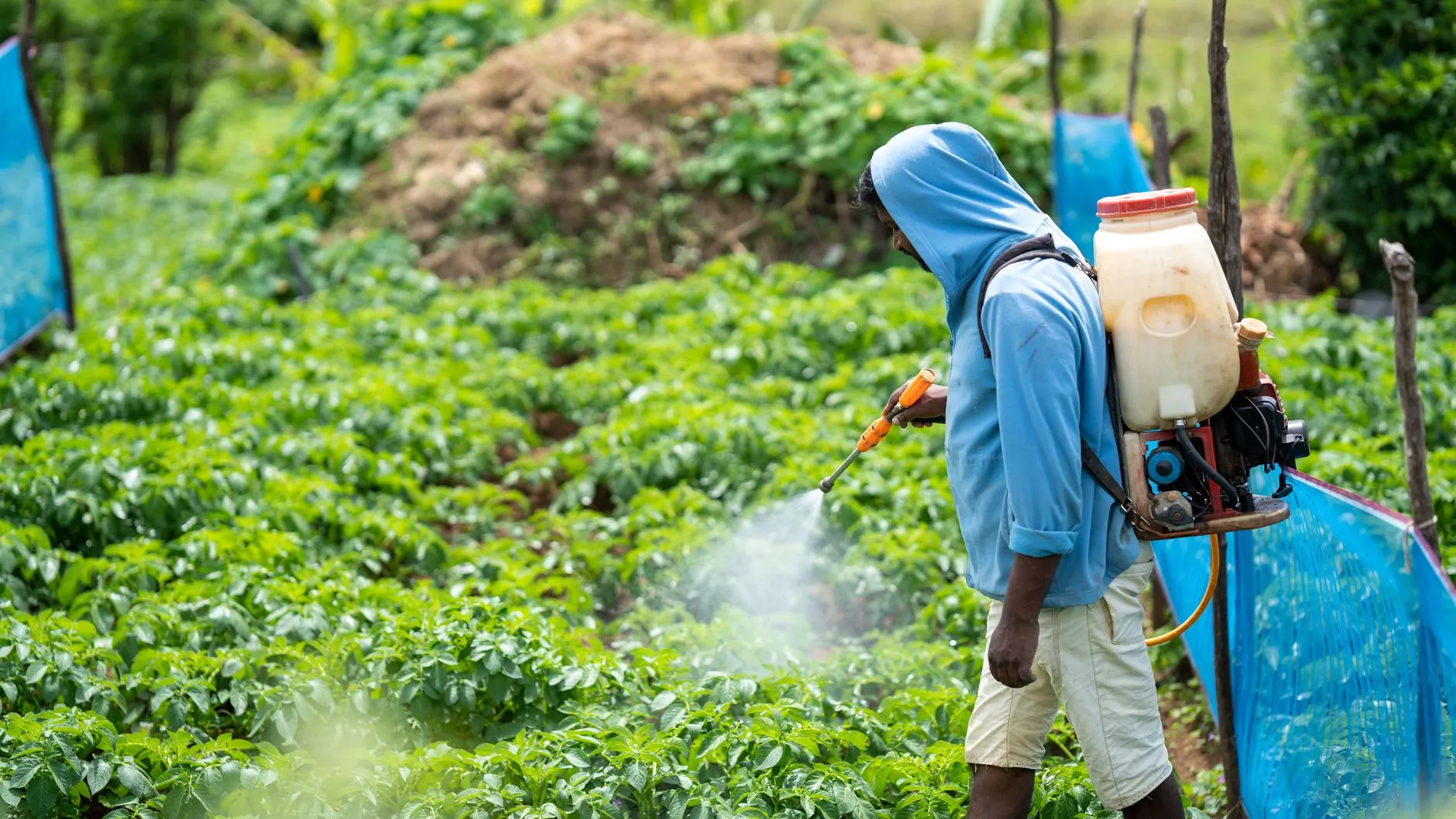
MIT spinout develops precision microbes to replace chemical pesticides
A Cambridge-based biotech startup is engineering bacteria to fight crop disease without harming beneficial organisms. Robigo, founded in 2021 by MIT alumni, uses synthetic biology and CRISPR to create living pesticides that target plant pathogens at the genetic level. The approach represents a shift away from broad-spectrum chemicals toward tools designed to spare pollinators, soil microbes, and surrounding ecosystems.
The company has moved from laboratory proof-of-concept to funded field trials. Early results claimed over 99% efficacy against Xanthomonas, a bacterial genus responsible for multiple plant diseases. However, the real test lies ahead. Can engineered microbes remain stable and effective under working farm conditions?
For UK growers, this matters commercially. Crop disease drives yield loss and financial damage across sectors. Meanwhile, regulatory pressure on chemical pesticides continues to mount. Biological alternatives could offer a route to compliance without sacrificing protection.
From MIT research to commercial product development
Robigo originated from research at the Massachusetts Institute of Technology. Co-founder Connor Sweeney met Jai Padmakumar at MIT, and Andee Wallace later joined as a third co-founder. The startup describes its platform as modular, allowing different microbial strains to be engineered for specific pathogens.
The technology combines synthetic biology, gene editing, and data science. Natural bacteria are re-engineered in the lab, then reintroduced to crops through spraying. According to the company, this creates a living defence system that targets harmful organisms while leaving beneficial microbes intact.
In early trials, Robigo focused on bacterial diseases affecting high-value crops. The team claimed success rates above 99% against certain Xanthomonas strains in controlled environments. Furthermore, production costs were reportedly up to ten times lower than conventional synthetic treatments.
The company has also received public-sector backing. The National Science Foundation awarded more than $1.5 million through Small Business Innovation Research grants. One funded project addresses Sudden Death Syndrome in soybean, a disease causing up to $500 million in annual losses for US growers.
Funding rounds support transition from lab to field
Robigo raised $1.15 million in pre-seed funding during 2021. Early investors included Morningside Group, First Star Ventures, and an individual angel backer. This capital supported initial product development and greenhouse testing.
In February 2023, the startup announced a $6.85 million seed round led by Congruent Ventures. By May of the same year, additional commitments from Supply Change Capital, Aera VC, and Endeavor8 brought the total to $10 million. The funding enabled expansion of field trials and regulatory preparation work.
Consequently, Robigo now operates across laboratory research, greenhouse validation, and early field testing. The company remains based in Cambridge, Massachusetts, where it maintains access to MIT networks and regional biotech infrastructure.
Precision agriculture tools address chemical pesticide limitations
Chemical pesticides work through broad toxicity. They kill target pests but also affect non-target organisms including beneficial insects, soil bacteria, and aquatic life. Residues persist in soil and water, creating long-term environmental risks.
Engineered microbes offer a different mechanism. Robigo's bacteria are designed to recognise specific genetic markers in plant pathogens. Once applied, they colonise the plant surface and target only those organisms carrying the marker. Beneficial microbes, which lack the marker, remain unaffected.
This precision reduces collateral damage. Pollinators encounter lower chemical exposure. Soil microbial communities stay intact, supporting nutrient cycling and plant health. Additionally, the approach may reduce resistance development, as the engineered bacteria can be updated to match evolving pathogen strains.
From a commercial perspective, lower production costs matter. Synthetic pesticides require energy-intensive chemical synthesis. Biological alternatives can be grown in fermentation tanks using standard industrial processes. Robigo claims production costs up to ten times lower than chemical equivalents, though independent verification is not yet available.
Regulatory and practical challenges remain for biotech agriculture
Moving from greenhouse to farm introduces complexity. Laboratory conditions provide stable temperatures, controlled humidity, and predictable pathogen pressure. Fields do not. Weather varies, pest populations fluctuate, and application timing becomes critical.
Engineered microbes must survive transport, storage, and spraying. They need to colonise plants effectively in variable conditions. They must remain active long enough to provide protection, but not persist indefinitely in the environment. These factors determine whether the technology works at commercial scale.
Regulatory approval adds another layer. In the UK, genetically modified organisms face scrutiny under environmental release regulations. The Genetic Technology (Precision Breeding) Act 2023 may simplify approval for some gene-edited organisms, but microbial pesticides still require extensive safety and efficacy data.
Similarly, growers evaluate new products through economic criteria. Does the treatment reduce disease below existing thresholds? Can it integrate with current spray programs? Will it affect certification status for organic or integrated pest management schemes? These questions shape adoption rates regardless of environmental benefits.
Sudden Death Syndrome project demonstrates commercial focus
Robigo's NSF-funded work targets a specific disease with measurable economic impact. Sudden Death Syndrome affects soybean crops across the United States, causing root rot and leaf damage. The NSF estimates annual losses of up to $500 million for American growers.
The project aims to develop an engineered microbial treatment that prevents infection by the causal fungus. Success would demonstrate the technology's value in a high-stakes commercial context. It would also provide data on field performance, application methods, and economic returns.
For UK agriculture, the model offers lessons. Targeting high-value crop diseases with biological tools could reduce chemical dependency while maintaining yields. However, UK growing conditions, pathogen populations, and regulatory frameworks differ from those in the United States. Direct transfer of technologies requires validation under local conditions.
What makes Robigo's approach different from existing biopesticides
Biological pest control products already exist. Bacillus thuringiensis has been used for decades as a microbial insecticide. Other products use fungi, viruses, or naturally occurring bacteria to suppress disease.
Robigo's distinction lies in genetic engineering. Instead of selecting naturally effective strains, the company designs them. CRISPR allows precise genetic modifications that enhance target specificity, improve survival on plant surfaces, or add reporting functions for monitoring.
This design flexibility creates opportunities for customisation. Different crops face different diseases, and pathogens vary by region. A platform that can engineer new strains for specific challenges potentially offers faster development than traditional screening approaches.
Nevertheless, genetic modification introduces regulatory requirements that unmodified biopesticides avoid. Each engineered strain requires separate approval, environmental risk assessment, and monitoring. This extends development timelines and increases costs before any commercial sales occur.
Implications for UK growers and agricultural supply chains
UK agriculture faces pressure from multiple directions. Chemical pesticide approvals continue to narrow under environmental regulations. Integrated pest management requirements tighten for farm assurance schemes. Meanwhile, crop disease threats persist, and climate change may alter pathogen distributions.
Precision biological tools could help manage these tensions. They offer disease control without adding to chemical residue concerns. They align with environmental stewardship requirements increasingly common in retailer standards and public procurement. They may also support nature recovery objectives by reducing harm to non-target species.
However, UK uptake depends on practical factors. Products must receive approval from the Health and Safety Executive and meet Environmental Protection Act requirements. They need to integrate with existing spray programs without requiring specialised equipment. Pricing must compete with established chemical options, especially for lower-margin crops.
Supply chain implications extend beyond the farm. Food processors and retailers increasingly specify pesticide residue limits and sustainability credentials for suppliers. Biological control products that reduce residues could improve access to premium markets or simplify compliance with buyer requirements.
Investment patterns signal confidence in agricultural biotech
Robigo's funding rounds reflect broader investor interest in agriculture technology. Congruent Ventures, which led the seed round, focuses on climate and sustainability investments. Supply Change Capital specialises in supply chain innovation. Aera VC targets biotech applications.
This investment profile suggests confidence in the commercial potential of engineered microbes. Investors are betting that regulatory pathways will open, that growers will adopt biological alternatives, and that the technology can scale beyond niche applications.
For UK businesses, similar technologies may emerge locally. Research institutions including Rothamsted Research and the John Innes Centre work on plant-microbe interactions and agricultural biotech. UK-based startups could develop comparable approaches tailored to domestic crops and disease pressures.
Nevertheless, capital availability differs between UK and US markets. American agricultural biotech companies often access larger funding rounds earlier in development. UK startups may need to demonstrate further commercial progress to attract equivalent investment, potentially slowing development timelines.
Key facts about Robigo's development and funding
- Robigo was founded in 2021 by MIT alumni including CEO Andee Wallace, with headquarters in Cambridge, Massachusetts.
- The company uses CRISPR and synthetic biology to engineer bacteria that target crop pathogens at the genetic level while sparing beneficial organisms.
- Early testing claimed over 99% efficacy against Xanthomonas bacterial strains responsible for multiple plant diseases.
- The startup raised $1.15 million in pre-seed funding in 2021, followed by a $10 million seed round completed in May 2023.
- National Science Foundation grants totalling more than $1.5 million support work on Sudden Death Syndrome in soybean, a disease causing up to $500 million in annual US losses.
- Robigo claims production costs up to ten times lower than conventional synthetic pesticides, though independent verification has not been published.
Technical validation must translate to farm performance
Laboratory success does not guarantee field effectiveness. Robigo's reported 99% kill rates occurred under controlled conditions with known pathogen loads. Real-world agriculture introduces variables that laboratory tests cannot fully replicate.
Environmental factors affect microbial survival. UV radiation degrades biological products faster than chemical alternatives. Rain washes bacteria from leaf surfaces. Temperature extremes reduce colonisation rates. These factors determine how often treatments must be reapplied and at what cost.
Application timing also matters. Chemical pesticides often work preventatively or curatively. Biological products may require application before infection occurs, demanding accurate disease forecasting. Growers need reliable guidance on when and how often to spray to achieve effective protection.
Additionally, compatibility with other farm inputs requires testing. Can engineered microbes be tank-mixed with fertilisers or adjuvants? Do they survive contact with commonly used fungicides or insecticides? Practical integration determines whether the product fits existing workflows or demands separate applications.
Comparing biological and chemical approaches to crop protection
Chemical pesticides offer broad-spectrum activity and predictable performance. A single application often controls multiple pest species. Products store easily and tolerate variable conditions. Decades of use provide extensive performance data across crops and regions.
However, chemicals face increasing restrictions. The EU has withdrawn approval for numerous active ingredients due to environmental and health concerns. UK regulations mirror many of these restrictions. Resistance development reduces efficacy over time, requiring higher doses or product rotation.
Biological products avoid some of these issues. They typically show low toxicity to non-target organisms. Resistance is less likely because multiple mechanisms can be engineered into the microbe. Environmental persistence is lower, reducing long-term contamination risks.
Yet biological approaches have limitations. Shelf life is often shorter, requiring cold storage. Application windows may be narrower. Weather conditions affect performance more significantly. These factors increase management complexity compared to chemical alternatives.
Regulatory pathways for genetically modified crop protection products
In the UK, genetically modified organisms used in agriculture require approval under the Environmental Protection Act and associated regulations. The process involves risk assessment covering environmental release, persistence, and potential impacts on non-target species.
The Genetic Technology (Precision Breeding) Act 2023 introduced a separate pathway for precision-bred organisms. These are plants or animals with genetic changes that could have occurred naturally or through traditional breeding. The act aims to reduce regulatory burdens for such organisms compared to traditional GMOs.
However, microbial pesticides may not qualify under precision breeding provisions. Engineered bacteria with novel genetic constructs likely fall under GMO regulations requiring full environmental risk assessment. This includes data on survival, spread, horizontal gene transfer, and ecological impacts.
Approval timelines vary but typically extend over multiple years. Applicants must demonstrate safety, efficacy, and environmental compatibility. Field trials under controlled conditions precede commercial approval. Each engineered strain requires separate assessment, even when developed using the same platform.
How engineered microbes fit broader agricultural sustainability goals
UK agricultural policy increasingly emphasises environmental outcomes. The Environmental Land Management scheme rewards practices that reduce pollution, enhance biodiversity, and improve soil health. Biological pest control products could support these objectives by reducing chemical inputs.
Similarly, nature recovery targets require reduced harm to pollinators and beneficial insects. Precision microbes that spare non-target species align with these goals better than broad-spectrum chemicals. This could help farms demonstrate environmental stewardship for assurance schemes or public funding eligibility.
Carbon reduction adds another dimension. Chemical pesticide production requires energy-intensive synthesis. Biological products grown in fermentation tanks potentially offer lower carbon footprints, though full lifecycle analysis depends on feedstock sources, energy inputs, and transportation.
Nevertheless, biological products are not automatically sustainable. Environmental release of genetically modified organisms carries risks that require careful assessment. Unintended ecological impacts, such as disruption of native microbial communities, need evaluation before widespread adoption.
What UK growers should consider about emerging biological tools
New technologies create opportunities but also uncertainty. Growers evaluating biological pest control products should consider several factors beyond manufacturer claims.
First, examine independent trial data. University research stations and independent agronomists provide performance information less subject to commercial bias. Look for trials conducted under conditions similar to your own in terms of climate, soil type, and crop variety.
Second, understand application requirements. Biological products often demand tighter spray timing and specific environmental conditions. Assess whether your existing equipment and management systems can accommodate these requirements without significant additional cost or labour.
Third, verify regulatory approval status. Products under development may generate interest but cannot be used commercially until approved. Check that any product you consider has received necessary HSE authorisation for your intended crop and pest.
Fourth, consider integration with existing programs. Biological products work best as part of integrated pest management strategies. They may complement rather than replace chemical options, requiring careful planning to avoid conflicts between different product types.
Finally, evaluate economic returns. Lower input costs mean little if disease control falls short or yield losses occur. Calculate net returns accounting for product cost, application expenses, and expected disease pressure under local conditions.
Questions remain about commercial scale-up and adoption
Robigo has demonstrated technical capability in controlled settings. The company has secured significant funding and public-sector support. However, several questions must be answered before the technology achieves widespread commercial use.
Can production scale to meet agricultural demand? Fermentation capacity, quality control, and supply chain logistics all require expansion beyond laboratory and pilot scales. Many biotech startups struggle with this transition despite technical success.
Will regulatory approval timelines allow competitive market entry? Delays in approval reduce the window for return on investment and allow competitors to develop alternative solutions. The more novel the technology, the longer regulators typically require for assessment.
Do growers trust biological alternatives enough to adopt them? Agricultural decision-making tends toward conservatism. Proven products with decades of performance data retain advantages over new technologies regardless of theoretical benefits.
How will patent protection and licensing affect availability? Engineered microbes involve complex intellectual property. Licensing terms could limit product availability or increase costs, affecting commercial viability for lower-margin crops.
Further information and industry resources
The National Science Foundation maintains public records of SBIR awards, including project summaries and funding details. These provide insight into federally supported agricultural research across multiple technologies. Information is available through the NSF SBIR-STTR awards database.
For UK regulatory guidance on genetically modified organisms and biopesticides, the Health and Safety Executive publishes standards and approval processes. The HSE website includes information on pesticide registration, environmental risk assessment, and approval timelines.
The Biotechnology and Biological Sciences Research Council funds UK research into agricultural innovation, including biological crop protection. BBSRC reports and strategy documents outline research priorities and funded projects relevant to sustainable farming.
Industry perspectives on biological pest control appear in publications from the Agriculture and Horticulture Development Board. AHDB provides grower-focused research summaries, technology assessments, and practical guidance on integrated pest management for UK crops.
Finally, MIT's The Engine showcases spinout companies working on climate and sustainability challenges, including agricultural biotechnology. Case studies provide context on how university research translates into commercial ventures and the challenges involved in scaling deep-tech innovations.