
International Day of Zero Waste
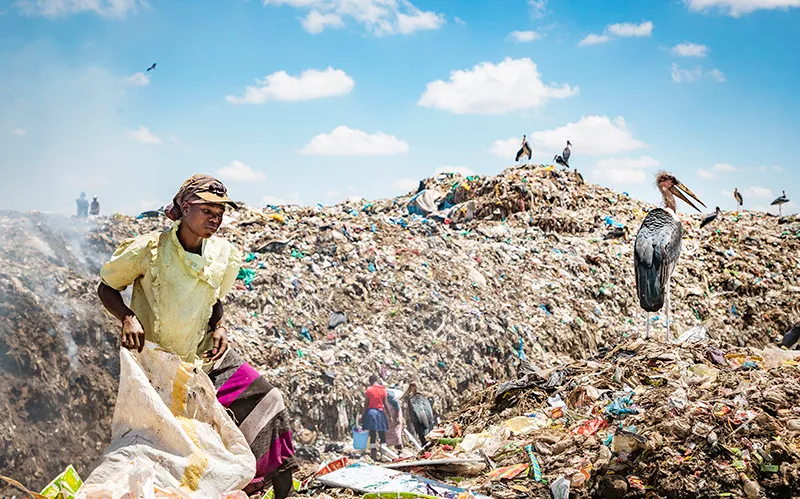
About This Event
The International Day of Zero Waste is a UN observance held annually on 30 March, facilitated jointly by the United Nations Environment Programme (UNEP) and UN-Habitat. Proclaimed by the UN General Assembly in December 2022, the day aims to raise awareness of zero-waste initiatives and their contribution to sustainable development. The 2027 observance focuses specifically on food waste, highlighting that the world discards approximately 1 billion tonnes of edible food annually - nearly one-fifth of all food available to consumers. The event is free and takes place online through global awareness activities.
The programme centres on the theme "Zero Waste Starts on Your Plate", addressing food waste across households (which account for 60% of the total), food service (28%) and retail (12%). The observance provides practical guidance for three key groups: governments are encouraged to advance food waste prevention through national policies and join the Food Waste Breakthrough initiative; businesses can set measurable reduction targets and innovate circular food systems; consumers can plan purchases mindfully, support food recovery programmes and help make food waste socially unacceptable. Supporting materials include social media resources, the Food Waste Index Report 2024, and registration options for local zero-waste events.
This matters to UK SMEs and sustainability leads because food waste generates 8-10% of global greenhouse gas emissions, and the day provides frameworks for integrating waste reduction into business sustainability commitments. The focus on circular food systems and supply chain efficiency offers practical pathways for businesses to reduce costs whilst meeting environmental targets, with clear actions applicable across retail, hospitality and food service sectors.
Key Takeaways
- Households generate 60% of food waste globally, averaging 79 kg per person annually
- Food loss and waste produce 8-10% of global greenhouse gas emissions, nearly five times aviation's impact
- Without urgent action, municipal solid waste will reach 3.8 billion tonnes annually by 2050
- The Food Waste Breakthrough initiative offers businesses a platform to scale solutions and share progress
Who Should Attend
- Sustainability leads in food retail, hospitality or catering seeking practical waste reduction frameworks
- SME owners wanting to integrate measurable food waste targets into existing sustainability commitments
- Business decision-makers interested in circular economy approaches to improve supply chain efficiency
- Environmental managers looking for UN-backed resources and partnerships to support zero-waste initiatives
Organiser
Location
Online