
Why sustainable technology choices are hard to make
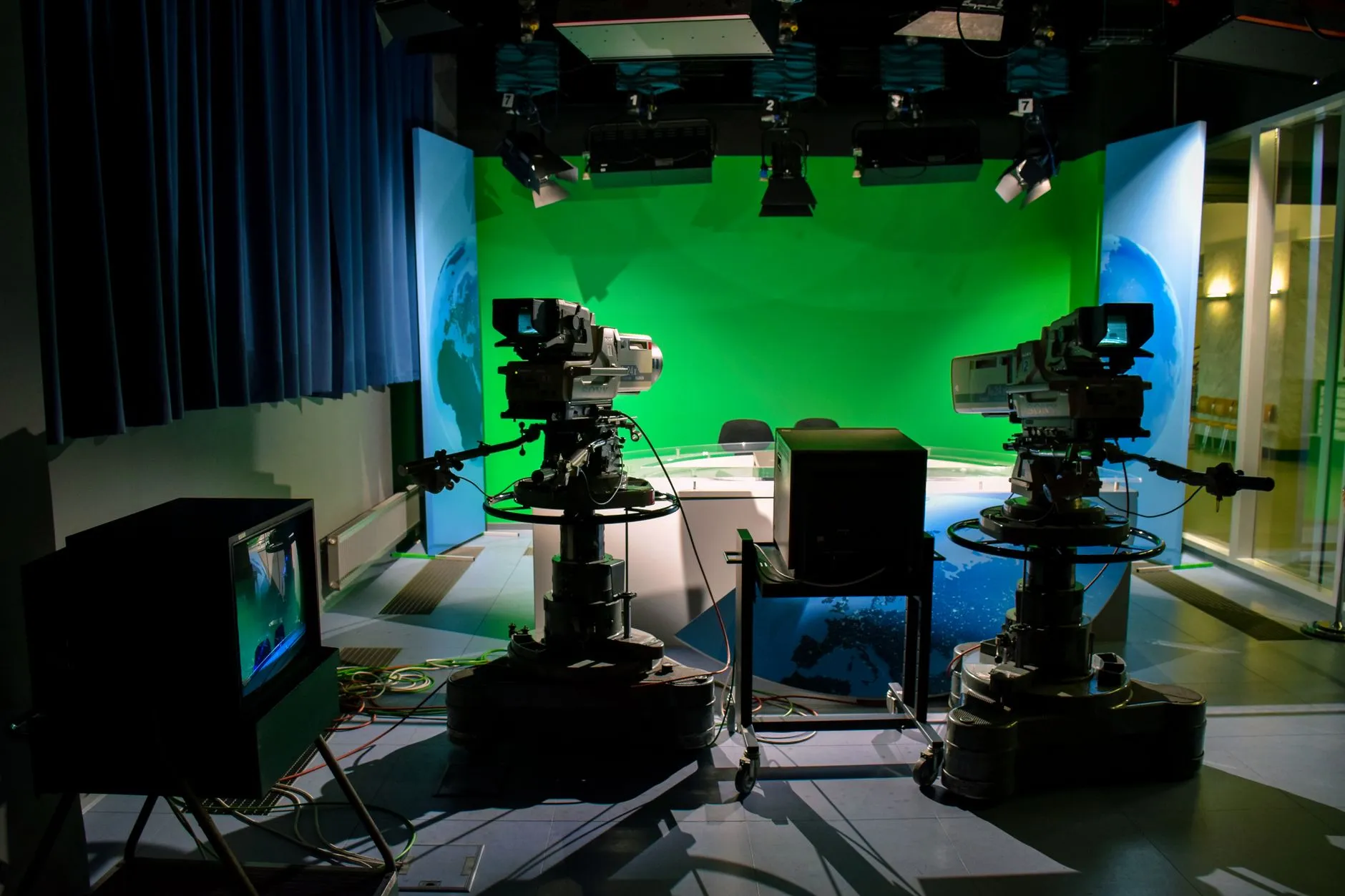
Higher costs and uneven standards slow sustainable AV adoption
Audiovisual buyers and integrators face a familiar challenge when specifying sustainable technology. The environmental benefits appear over years, but the costs and trade-offs arrive immediately. For many businesses, that mismatch makes sustainable choices hard to justify.
The AV sector confronts several specific barriers. Higher upfront costs remain the most visible friction. Inconsistent standards and reporting make comparison difficult. Supply chains are opaque. End-of-life equipment management is logistically complex and often expensive.
These problems matter because AV systems carry significant environmental costs. Equipment consumes substantial energy during use. Rapid replacement cycles generate growing volumes of electronic waste. Materials sourcing and manufacturing processes are difficult to assess consistently across vendors.
AVIXA notes that AV equipment can carry a heavy environmental cost, including high energy consumption and electronic waste. Meanwhile, SAVe says the sector lacks a unilateral process or policy for where equipment goes at end of life. Consequently, even organisations with environmental commitments struggle to act on them.
Cost pressures clash with environmental goals
Sustainable AV technologies often cost more at purchase. For budget-conscious clients, that initial price difference outweighs potential long-term savings. As a result, specifiers find sustainable options difficult to sell, even when lifecycle costs favor them.
The industry lacks standardized regulations and benchmarks. Therefore, measuring impact consistently across vendors and projects remains hard. Reporting varies across manufacturers, distributors, and logistics providers. This opacity makes sustainability claims difficult to compare or verify.
Disposal, reuse, and recycling present logistical challenges. These processes can be expensive, particularly for organisations without established infrastructure. Consequently, many businesses default to less sustainable options simply because they are easier to manage.
Rapid technology turnover worsens these problems. SAVe notes that short product cycles are shortening replacement timelines and worsening environmental consequences. Equipment that might otherwise remain in service for years gets replaced as new standards emerge.
E-waste volumes highlight urgency of disposal challenges
The scale of electronic waste illustrates why these barriers matter. According to the UN Institute for Training and Research, global e-waste is increasing by 2.6 million tons annually. SAVe estimates the AV industry contributes 1.5 million to 2 million metric tons of e-waste each year.
End-of-life management remains particularly problematic. In 2019, less than 20% of used electronics were formally recycled, according to SAVe. The remainder entered landfills, informal recycling streams, or uncertain disposal routes.
This waste challenge extends beyond volume. AV equipment contains valuable materials that could be recovered and reused. However, without accessible recycling infrastructure and clear processes, those materials are lost. Similarly, equipment that could be refurbished or repurposed often gets discarded instead.
Industry observers describe a practical tension. Sustainability and longevity are increasingly part of AV design discussions. Nevertheless, cost pressures continue to shape purchasing behavior in ways that contradict environmental goals.
Budget limits and procurement habits slow progress
Midwich notes that tighter budgets, ESG targets, and complex environments are forcing the industry to rethink how systems are designed, specified and maintained over time. However, the company also acknowledges that cost pressures, procurement habits and the temptation to replace rather than repair still get in the way.
Pro AV similarly observes that greener solutions often carry a higher price tag. This price difference slows adoption even as ESG mandates grow across sectors. For many organisations, the financial case for sustainable technology remains unclear or unconvincing.
The mismatch between immediate costs and long-term benefits creates a specific problem for AV integrators. Clients expect competitive pricing and proven performance. Adding sustainability criteria to specifications can increase costs and narrow vendor options. Therefore, integrators must balance environmental goals against commercial realities.
Procurement processes compound these challenges. Many organisations use frameworks that prioritize upfront cost over lifecycle value. Consequently, sustainable options that cost more initially struggle to win tenders, even when they offer better long-term performance.
Industry knows goals but lacks shared measurement tools
The AV sector broadly agrees on sustainability objectives. Lower energy use, longer equipment lifespans, better repairability, and improved recycling all feature in industry discussions. However, the ecosystem lacks the shared rules, incentives, and measurement tools needed to make those choices routine.
This represents a transition problem rather than a technology problem. The technical solutions largely exist. Energy-efficient displays, modular designs, and repairable components are available. What remains absent is a consistent framework for evaluating and comparing these solutions across projects.
Consequently, sustainability in AV remains difficult. The market must optimize for both performance and environmental impact in a fragmented industry with uneven reporting and limited end-of-life infrastructure. Individual organisations can make progress, but sector-wide change requires more coordination.
Key facts about sustainability barriers in AV
- Sustainable AV technologies often cost more upfront, making them difficult to justify despite potential long-term savings.
- The AV industry contributes an estimated 1.5 million to 2 million metric tons of e-waste annually, according to SAVe.
- Global e-waste is increasing by 2.6 million tons each year, based on UN Institute for Training and Research figures.
- Less than 20% of used electronics were formally recycled in 2019, with the remainder entering uncertain disposal routes.
- The sector lacks standardized regulations and benchmarks for measuring environmental impact consistently across vendors.
- Rapid technology turnover is shortening equipment replacement cycles and increasing waste volumes.
Businesses need clearer frameworks and lifecycle thinking
For UK businesses using AV systems, these industry-wide challenges translate into practical difficulties. Specifying sustainable technology requires more research and often involves higher costs. Measuring the environmental impact of AV installations remains inconsistent. Disposing of old equipment responsibly takes effort and coordination.
Several factors make these challenges particularly relevant for UK organisations. Public sector buyers increasingly face environmental requirements in tenders. Private sector firms report growing pressure from investors and customers on ESG performance. However, without clear standards and comparable data, meeting these expectations is harder than it should be.
Lifecycle thinking offers one way forward. Instead of focusing only on purchase price, organisations can assess total cost of ownership. This includes energy consumption, maintenance requirements, expected lifespan, and disposal costs. When calculated properly, sustainable options often prove more economical.
Nevertheless, this approach requires better data. Manufacturers need to provide clear information about energy use, repairability, and material content. Integrators need tools to compare options consistently. Recyclers need accessible processes for handling end-of-life equipment.
We work with organisations developing sustainable procurement approaches for technology and equipment. Common questions include how to evaluate environmental claims, how to build lifecycle costs into business cases, and how to establish responsible disposal routes. These issues apply across sectors, not only to AV.
For businesses serious about reducing environmental impact, the current situation demands pragmatism. Perfect solutions remain unavailable. Complete data is rare. However, incremental improvements are possible. Choosing more efficient equipment, extending replacement cycles where practical, and working with vendors on take-back schemes all represent progress.
The broader compliance landscape for environmental reporting is tightening. Organisations that develop better processes now will find it easier to meet future requirements. Those that wait for perfect clarity may find themselves behind.
Further information on sustainable technology procurement
For additional guidance on sustainable technology procurement and e-waste management, several authoritative sources provide useful detail.
The UK Government Publishing Service offers sustainable procurement guidance that applies across technology categories. The Institute of Environmental Management and Assessment provides resources on building sustainable procurement strategies. The Environment Agency sets out electrical waste responsibilities for producers and suppliers.
These resources offer practical frameworks for organisations developing their own approaches to sustainable technology procurement and lifecycle management.