
Thyssenkrupp Steel Secures Funding for tkH2Steel Project
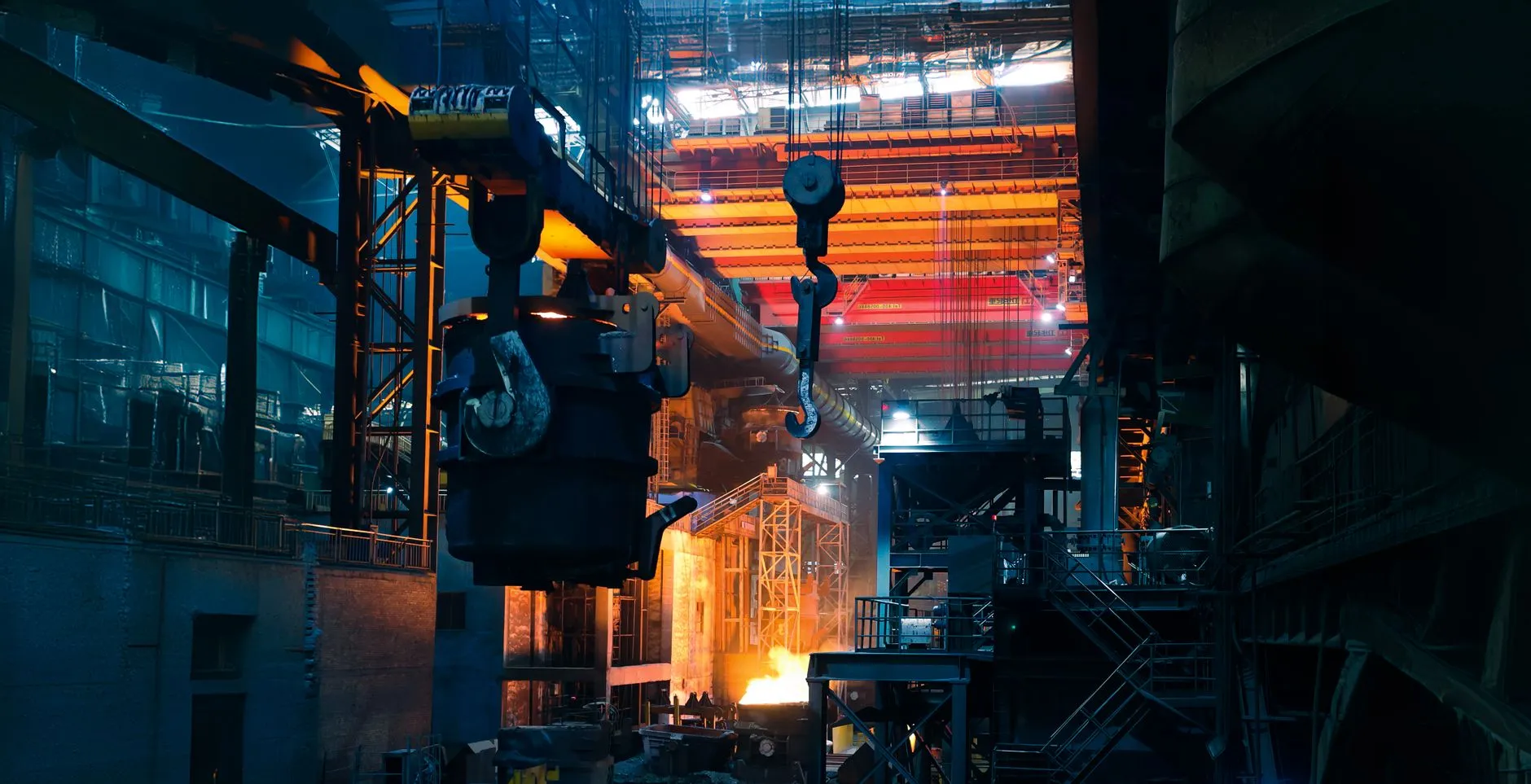
Thyssenkrupp Steel has secured revised funding terms for its major decarbonization project in Germany. The changes give the company more time to transition from natural gas to hydrogen as the fuel for a new direct-reduction steel plant. This shift reflects growing recognition across European industry that hydrogen infrastructure and supply are developing more slowly than anticipated.
The tkH2Steel project in Duisburg was originally designed around rapid hydrogen adoption. However, market conditions have changed significantly. Green hydrogen remains expensive, pipeline networks are incomplete, and large-scale supply contracts remain scarce. The amended funding agreement allows the company to operate more flexibly during this transition period.
For UK manufacturers watching Europe's industrial decarbonization efforts, this development offers a practical case study. Large-scale hydrogen projects face real commercial constraints, even with billions in public funding. Understanding these challenges helps businesses assess their own decarbonization options and timelines more realistically.
German government approves flexible hydrogen timeline
The revised funding decision became legally binding on October 30, 2026. It follows approval from the European Commission under EU state aid rules. The German federal government and the state of North Rhine-Westphalia are providing approximately €2 billion in public funding for the project. North Rhine-Westphalia's contribution reaches up to €700 million.
Originally, funding conditions anticipated a faster transition to hydrogen fuel. Those terms were developed when policymakers expected rapid growth in hydrogen production and infrastructure. The revised agreement acknowledges that these expectations have not materialized on schedule.
Thyssenkrupp can now begin operations using natural gas or a gas-hydrogen blend. The company will increase hydrogen content gradually as supply becomes available and economically viable. This approach reduces the risk of building expensive hydrogen-ready equipment that cannot operate as intended due to fuel unavailability.
The European Commission approved the amended terms as compatible with state aid regulations. This approval provides legal certainty for continuing the project under changed market conditions. Construction at the Duisburg site continues, including work on the direct-reduction plant and two melting facilities.
Direct reduction technology replaces coal-based production
The tkH2Steel facility will use direct reduction to convert iron ore into usable material. This process relies on reducing gases rather than the coke and coal used in traditional blast furnaces. The resulting direct reduced iron can then be melted and processed into finished steel products.
Direct reduction plants can operate on natural gas, hydrogen, or a combination of both fuels. This flexibility makes the technology attractive during the transition period. However, the carbon footprint varies significantly depending on which fuel predominates.
The Duisburg plant is designed to produce approximately 2.5 million metric tons of DRI annually. When operating entirely on hydrogen, the facility could reduce carbon dioxide emissions by up to 3.5 million metric tons per year compared to conventional blast furnace production. Even when running solely on natural gas, emissions would fall by more than 50% compared to coal-based steelmaking.
Thyssenkrupp describes this technology as central to its broader decarbonization strategy. Steel production ranks among the most carbon-intensive industrial sectors. Consequently, any substantial emissions reduction requires fundamental changes to production methods rather than incremental efficiency improvements.
Hydrogen infrastructure delays force revised approach
Several specific factors prompted the funding revision. Hydrogen production capacity has expanded more slowly than projections suggested. Required electricity grid upgrades and pipeline infrastructure remain incomplete across Germany and broader Europe. Import routes for hydrogen and hydrogen derivatives have not developed at the necessary scale.
Green hydrogen prices remain significantly higher than initial estimates. Commercially competitive supply contracts are not yet available on terms that support large-scale industrial use. These conditions directly affect the economic viability of operating the new plant on hydrogen from day one.
Thyssenkrupp stated that the revised approach aligns the project with actual market developments. The company maintains that natural gas serves as a transitional fuel rather than a permanent solution. However, the announcement does not establish a fixed date for reaching 100% hydrogen operation.
The timing of increased hydrogen use will depend on several variables. These include hydrogen availability, economic feasibility, customer demand for low-carbon steel, and the development of supporting infrastructure. This flexibility helps manage financial risk while preserving the long-term climate objective.
Thyssenkrupp is preparing a new tender for a long-term hydrogen supply contract. The procurement process is expected to begin shortly. This contracting work will provide clearer insight into actual hydrogen costs and availability over the coming years.
Commercial and operational implications for steel buyers
The revised timeline affects several stakeholder groups differently. For Thyssenkrupp, the amended terms reduce the risk of operating losses during the early years. Building hydrogen-ready equipment only to run it on expensive hydrogen could undermine the project's financial viability. Flexibility to use natural gas initially provides a commercial buffer.
For steel customers, the change means that carbon intensity will vary during the transition period. Steel produced using natural gas will carry a lower carbon footprint than coal-based material but a higher footprint than hydrogen-based production. Companies with specific carbon reduction targets may need to account for this variation in their supply chain planning.
Public procurement requirements increasingly include carbon criteria. UK businesses supplying the public sector already face carbon reduction expectations through frameworks like Procurement Policy Note 06/21. Similar requirements exist across European markets. Steel embodied carbon represents a significant component of construction and manufacturing supply chains.
Buyers seeking low-carbon steel may face premium pricing during the transition period. Hydrogen-based production will likely command a price premium until production scales up and costs decline. Consequently, businesses should factor potential steel cost increases into long-term budgets and project planning.
The phased approach also creates supply chain complexity. Different steel batches may carry different carbon intensities depending on the fuel mix used during production. This variation requires robust tracking and documentation systems to support carbon accounting and reporting obligations.
For companies operating energy-intensive manufacturing processes, the Thyssenkrupp case illustrates broader challenges. Decarbonization technologies may be technically feasible before they become economically practical. This gap between technical readiness and commercial viability affects investment decisions and transition planning across multiple sectors.
Key details about the tkH2Steel project
- The direct-reduction plant is located at Thyssenkrupp Steel's Duisburg site in North Rhine-Westphalia, Germany.
- Planned production capacity reaches 2.5 million metric tons of direct reduced iron per year.
- Operating on hydrogen could reduce annual CO₂ emissions by up to 3.5 million metric tons compared to conventional production.
- Total public funding for the project amounts to approximately €2 billion from German federal and state sources.
- The revised funding decision became legally definitive on October 30, 2026, following European Commission approval.
- The plant can operate on natural gas, hydrogen, or a combination during the transition period.
- Even when using only natural gas, emissions would fall by more than 50% compared to coal-based blast furnace routes.
- The long-term objective remains a gradual transition to 100% hydrogen operation as supply and infrastructure develop.
What the changes mean for industrial decarbonization planning
The revised funding terms highlight a practical challenge facing industrial decarbonization across Europe. Governments and companies have committed substantial resources to hydrogen-based technologies. However, the supporting infrastructure and competitive supply remain years away from full deployment.
This gap creates planning difficulties for businesses developing their own net-zero strategies. Technologies advertised as ready for deployment may require fuel sources or infrastructure that do not yet exist at commercial scale. Therefore, transition timelines must account for external dependencies beyond a company's direct control.
For UK businesses assessing their decarbonization options, several lessons emerge. First, technology readiness differs from commercial viability. Equipment capable of using low-carbon energy may not be economically practical if that energy remains expensive or scarce. Second, flexibility has value during transition periods. Technologies that can operate on multiple fuel sources reduce the risk of stranded assets.
Third, public funding alone cannot overcome market limitations. Despite €2 billion in government support, Thyssenkrupp still needs commercially viable hydrogen supply to achieve full decarbonization. Businesses should not assume that policy commitments automatically translate into available supply chains.
Our net-zero program for carbon reporting compliance helps businesses navigate these complexities. We work with manufacturers and suppliers to develop realistic decarbonization pathways that account for both technical possibilities and commercial constraints. Understanding the difference between aspirational targets and practical implementation protects businesses from costly missteps.
The Thyssenkrupp case also demonstrates the importance of phased approaches. Rather than waiting for perfect low-carbon solutions, the company will achieve significant emissions reductions using natural gas initially. This pragmatic strategy delivers measurable progress while working toward deeper cuts over time.
Businesses developing decarbonization plans should consider similar staged approaches. Immediate actions that reduce emissions by 30% to 50% may prove more practical than waiting for technologies that promise 90% reductions in an uncertain timeframe. Meanwhile, planning for future technology adoption ensures readiness when conditions improve.
Supply chain and procurement considerations
The steel sector's decarbonization efforts create ripple effects through manufacturing and construction supply chains. Companies purchasing steel products should prepare for several changes over the coming years.
Material costs will likely increase as producers invest in new technologies. Even natural gas-based direct reduction requires substantial capital investment. These costs will flow through to customers. Hydrogen-based production will command additional premiums until production scales up sufficiently to drive prices down.
Carbon intensity documentation will become increasingly important. Buyers need reliable data about the carbon footprint of purchased materials. This information supports their own Scope 3 emissions reporting and helps demonstrate compliance with procurement requirements. Suppliers unable to provide detailed carbon data may face competitive disadvantages.
Long-term supply agreements may require new terms and conditions. If steel producers cannot guarantee specific carbon intensities due to variable fuel mixes, contracts may need flexibility clauses. Alternatively, buyers seeking guaranteed low-carbon material may need to pay premiums for priority access to hydrogen-based production.
Public sector suppliers face particular scrutiny. Government procurement increasingly requires carbon reduction commitments and transparent reporting. Understanding the carbon content of major materials like steel helps businesses respond credibly to tender requirements and evaluation criteria.
Our sustainable procurement support helps businesses navigate these evolving requirements. We assist with supply chain carbon assessment, supplier engagement, and procurement strategy development. This support proves particularly valuable as material carbon footprints become more variable and complex to track.
Where to find additional information
The German Federal Ministry for Economic Affairs and Climate Action provides information about industrial decarbonization funding programs. Their resources explain the policy framework supporting projects like tkH2Steel.
The European Commission publishes state aid decisions and competition policy guidance relevant to large-scale industrial projects. These documents clarify the regulatory framework governing public funding for decarbonization investments across member states.
For UK businesses, the Department for Energy Security and Net Zero offers guidance on industrial decarbonization pathways and available support mechanisms. Understanding both UK and European approaches helps companies operating in multiple markets align their strategies effectively.
Industry bodies including the UK Steel association and the Institution of Mechanical Engineers publish analysis of steel sector decarbonization technologies and market developments. These resources provide technical context for understanding production methods and their carbon implications.
Businesses seeking practical support with their own decarbonization planning can explore training through SBS Academy courses on carbon reduction strategies. Understanding the challenges facing major industrial sectors helps inform realistic planning for businesses across the supply chain.