
UCLA Engineers Pilot Project Converting Waste to Hydrogen Fuel
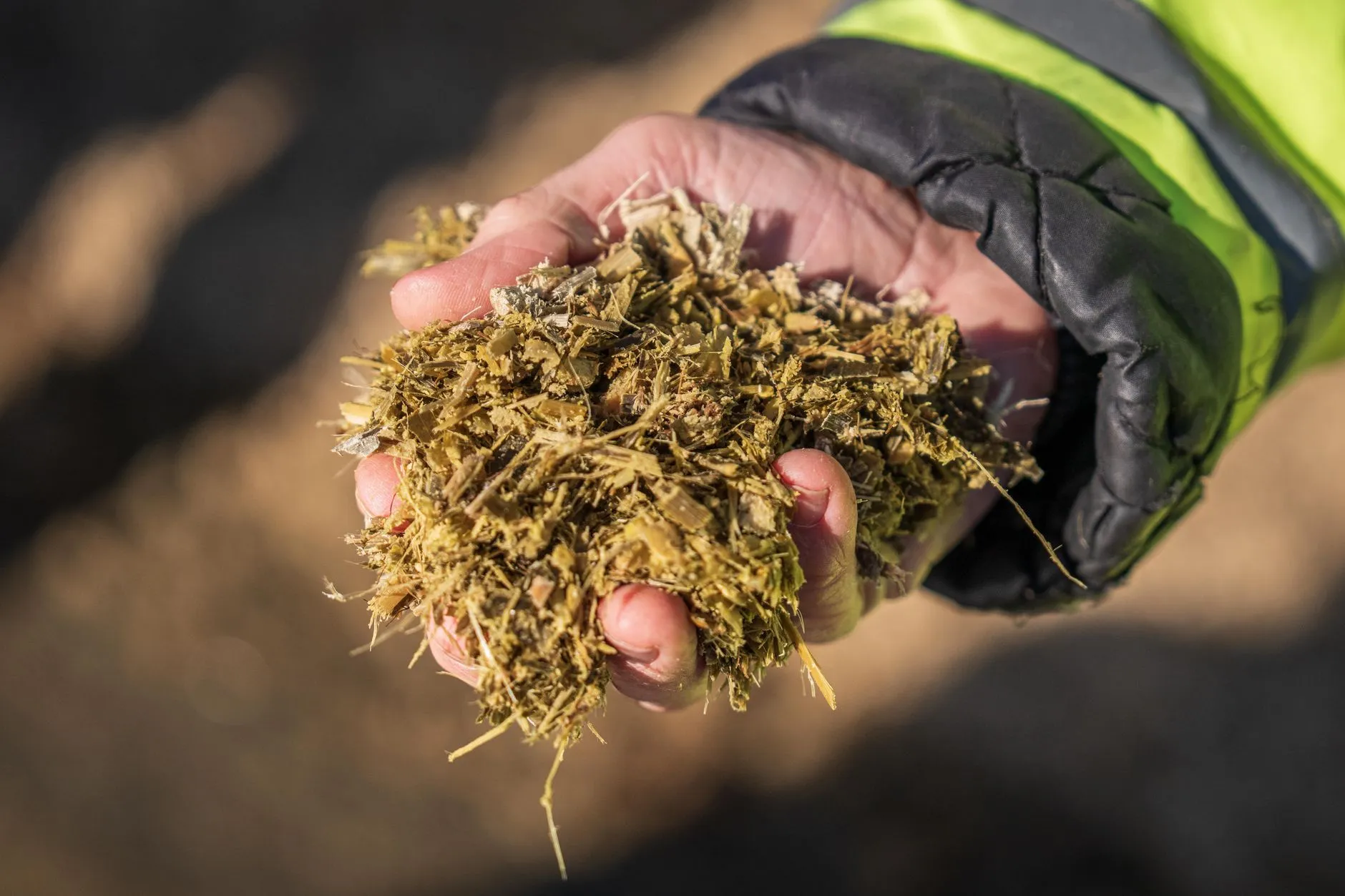
A pilot project in California is testing whether university food waste and plant trimmings can be turned into hydrogen fuel. The approach aims to cut waste disposal costs, generate usable energy, and remove carbon dioxide from the atmosphere at the same time. For UK businesses managing organic waste or exploring carbon removal options, the trial offers an early look at how waste-to-energy systems might combine multiple objectives in one process.
UCLA engineers have been running the system since April 2024. Researchers at the university's Samueli School of Engineering are working with Mote, a Los Angeles climate technology firm, to process campus biomass through gasification. The technology converts organic material into a hydrogen-rich gas while capturing the carbon dioxide released during conversion. That CO2 is then stored rather than vented to atmosphere.
The trial matters because it addresses three commercial challenges in one system. Businesses face rising costs for waste disposal, pressure to decarbonise operations, and growing interest in onsite energy generation. A process that tackles all three could change the economics of organic waste management, particularly for sites that generate substantial food waste or green material daily.
How the California trial works
UCLA generates around seven tons of biomass waste each day. This includes food waste from campus catering and plant trimmings from grounds maintenance. Under conventional routes, this material would be composted, sent to anaerobic digestion, or disposed of in landfill. Each option carries a cost and, in some cases, releases methane or carbon dioxide.
The gasification system takes that organic waste and heats it in a low-oxygen environment. This breaks down the material into a synthesis gas, or syngas, which contains hydrogen and carbon monoxide. Further processing separates the hydrogen for use as fuel. Meanwhile, carbon dioxide produced during the reaction is captured before it escapes.
Capturing that CO2 is central to the climate case. Biomass absorbs carbon dioxide as it grows. If you convert the biomass into energy and then capture the carbon released, the overall process can remove CO2 from the atmosphere, provided the carbon stays locked away and the feedstock is genuinely sustainable.
The research team, led by Dante Simonetti, an associate professor of chemical and biomolecular engineering, is evaluating how reliably the system processes mixed organic waste. Universities and large facilities rarely produce a single type of biomass. Food waste varies in composition daily, and plant material changes with the seasons. Consequently, the pilot must demonstrate that the gasification process can handle this variability without constant adjustment.
Potential energy output and fuel applications
UCLA estimates that hydrogen produced from its daily biomass waste could meet roughly two percent of the university's total electricity demand. Alternatively, the hydrogen could power around 100 hydrogen fuel cell vehicles. These figures assume full use of the campus waste stream and are projections rather than current output from the pilot phase.
Two percent of a large university's electricity needs may sound modest. However, the value lies in dispatchable generation. Hydrogen can be stored and used during peak demand periods, offering several hundred hours of backup or peak-shaving capacity each year. For businesses facing high electricity costs during peak tariff windows, this flexibility has commercial value beyond the headline energy figure.
The transportation application is also relevant for UK firms. Hydrogen fuel cell vehicles remain a niche option, but interest is growing in heavy goods transport, refuse collection, and bus fleets. A business generating enough biomass to produce hydrogen onsite could potentially fuel part of its own fleet, cutting diesel costs and Scope 1 emissions simultaneously.
The trial is not yet producing energy at scale. Pilot testing is focused on proving the technology works with real waste streams before any broader rollout. Therefore, the figures represent what the system might deliver if it proves viable, not what it delivers today.
Carbon removal claims depend on verified storage
The climate benefit depends on what happens to the captured carbon dioxide. Mote's system is designed to sequester CO2 permanently, but the durability of that storage must be verified. If the carbon escapes back into the atmosphere within years or decades, the removal benefit disappears.
Several factors determine whether the system genuinely removes carbon. First, the biomass must come from sources that would otherwise release CO2 through decomposition or burning. Food waste and plant trimmings meet this test, as they would typically break down in compost or landfill, releasing methane and carbon dioxide in the process.
Second, the energy consumed by gasification, carbon capture, and hydrogen purification must remain low enough that the overall system removes more carbon than it emits. This is a lifecycle question. Transportation of feedstock, energy inputs for processing, and any fugitive emissions all count against the removal total.
Third, the captured CO2 must be stored in a way that prevents release. Geological storage, mineralisation, or other durable methods are required. Monitoring and verification systems need to confirm the carbon stays sequestered over decades, not just years.
For UK businesses, this matters because carbon removal is increasingly recognised in corporate net zero strategies. Companies that cannot eliminate all their emissions may need to balance residual emissions with verified carbon removal. As a result, systems that produce both energy and verified removal could offer a route to meet carbon targets while reducing waste management costs.
Wildfire prevention and urban waste management in California
Mote identifies two main biomass sources for its technology. Urban green waste includes material from parks, street trees, and landscaping. Wildfire prevention residues come from vegetation cleared to reduce fire risk in vulnerable areas.
California faces significant wildfire challenges, and vegetation management generates large volumes of woody biomass. Traditionally, this material is burned in open piles or chipped and left to decompose. Both methods release carbon. Converting it to hydrogen with carbon capture offers an alternative disposal route that could reduce emissions and provide useful energy.
UK businesses are unlikely to face the same wildfire risks, but the logic applies to other waste streams. Farms generate crop residues, food manufacturers produce processing waste, and urban areas accumulate green waste from parks and verges. Similarly, any UK business managing substantial organic waste could consider whether conversion to energy with carbon capture offers better value than disposal or conventional composting.
Economic viability will depend on local waste disposal costs, energy prices, and whether carbon removal can be monetised. If verified carbon removal attracts a price through compliance markets or corporate offtake agreements, the business case improves. Without that revenue stream, the system must compete on waste management and energy generation alone.
What UCLA's trial means for businesses managing biomass
- The trial is testing biomass gasification with carbon capture at pilot scale, using food waste and plant trimmings as feedstock.
- UCLA generates approximately seven tons of biomass waste daily, which the system aims to convert into hydrogen fuel while capturing CO2 for storage.
- Projected hydrogen output could meet around two percent of the university's electricity demand or fuel roughly 100 hydrogen vehicles.
- The technology combines waste management, dispatchable energy generation, and potential carbon removal in one process.
- Climate benefits depend on verified carbon storage, low lifecycle emissions, and sustainable feedstock sourcing.
- Mote's platform is designed to process urban green waste and wildfire prevention residues, alongside food waste.
- The pilot has been running since April 2024, led by researchers at UCLA's Samueli School of Engineering.
Commercial considerations for UK businesses
The UCLA trial is not a UK project, but the questions it raises apply to British businesses managing organic waste. Food manufacturers, universities, hospitals, local authorities, and large facilities all generate biomass that currently costs money to dispose of. If that waste could be converted into energy while removing carbon, the economics of waste management change.
However, the technology is still at pilot stage. No UK deployment has been announced, and the commercial terms for licensing or replicating the system remain unclear. Businesses interested in similar approaches should watch for published performance data from the UCLA trial, particularly on energy efficiency, carbon removal verification, and the range of feedstocks the system can process reliably.
The regulatory environment in the UK also differs from California. Carbon removal is not yet widely recognised in UK compliance frameworks, though interest is growing. The government's net zero strategy acknowledges the role of greenhouse gas removal technologies, but market mechanisms for verified removal remain underdeveloped compared to renewable energy or energy efficiency.
Supply chain implications are also worth considering. Large retailers and public sector buyers increasingly ask suppliers to demonstrate carbon reduction. A business that can show verified carbon removal through waste processing may gain a competitive advantage in tenders, particularly as carbon reporting requirements become more detailed and Scope 3 emissions come under greater scrutiny.
Onsite hydrogen generation could also support decarbonisation of transport fleets. Businesses running delivery vehicles, site machinery, or logistics operations may find hydrogen fuel cells offer a route away from diesel dependence. Producing that hydrogen from waste already generated onsite removes the need for external supply contracts and potentially cuts both fuel and waste disposal costs.
Nevertheless, capital costs for gasification and carbon capture systems are likely to be significant. Smaller businesses may struggle to justify the investment unless waste volumes are high or disposal costs are particularly steep. Collaborative approaches, such as shared facilities processing waste from multiple businesses or municipal sites, could offer a more viable path for SMEs.
UCLA's broader hydrogen research context
The biomass gasification pilot is not UCLA's first engagement with hydrogen technology. In the early 1970s, UCLA students modified a 1972 AMC Gremlin to run on hydrogen for an urban vehicle design competition. That project explored hydrogen engine efficiency, fuel injection, backfire prevention, and onboard storage challenges.
More recently, UCLA developed the Equatic research program, which uses seawater electrolysis to remove carbon dioxide while producing hydrogen. Pilot operations began in 2023 at the Port of Los Angeles and in Singapore. The seawater approach differs technically from biomass gasification but shares the goal of combining carbon removal with hydrogen production.
This longer research history suggests the current trial builds on established institutional expertise rather than representing a one-off experiment. For businesses evaluating emerging technologies, the track record of the research team and the institutional commitment to hydrogen and carbon removal both matter when assessing the likelihood of successful commercialisation.
Where to find further information
The UK government's hydrogen production business model provides detail on policy support for hydrogen projects, though it focuses primarily on electrolysis and natural gas reforming rather than biomass gasification.
The Department for Energy Security and Net Zero publishes updates on greenhouse gas removal demonstrations, which may include future trials of biomass-to-energy systems with carbon capture in the UK.
Businesses managing significant organic waste can explore current options through the Environment Agency's guidance on waste environmental permits and the regulatory framework for anaerobic digestion and composting.
Training on carbon accounting, waste management, and decarbonisation strategies is available through the SBS Academy, which covers Scope 1, 2, and 3 emissions reporting relevant to waste-to-energy projects.
We support businesses navigating carbon reporting and compliance requirements, including the integration of carbon removal into corporate net zero strategies. If your business generates substantial biomass waste and you are exploring alternative disposal routes that could contribute to emissions reduction, we can help assess the commercial and regulatory implications.