
How the UK CBAM Will Affect Your Sustainability Strategy
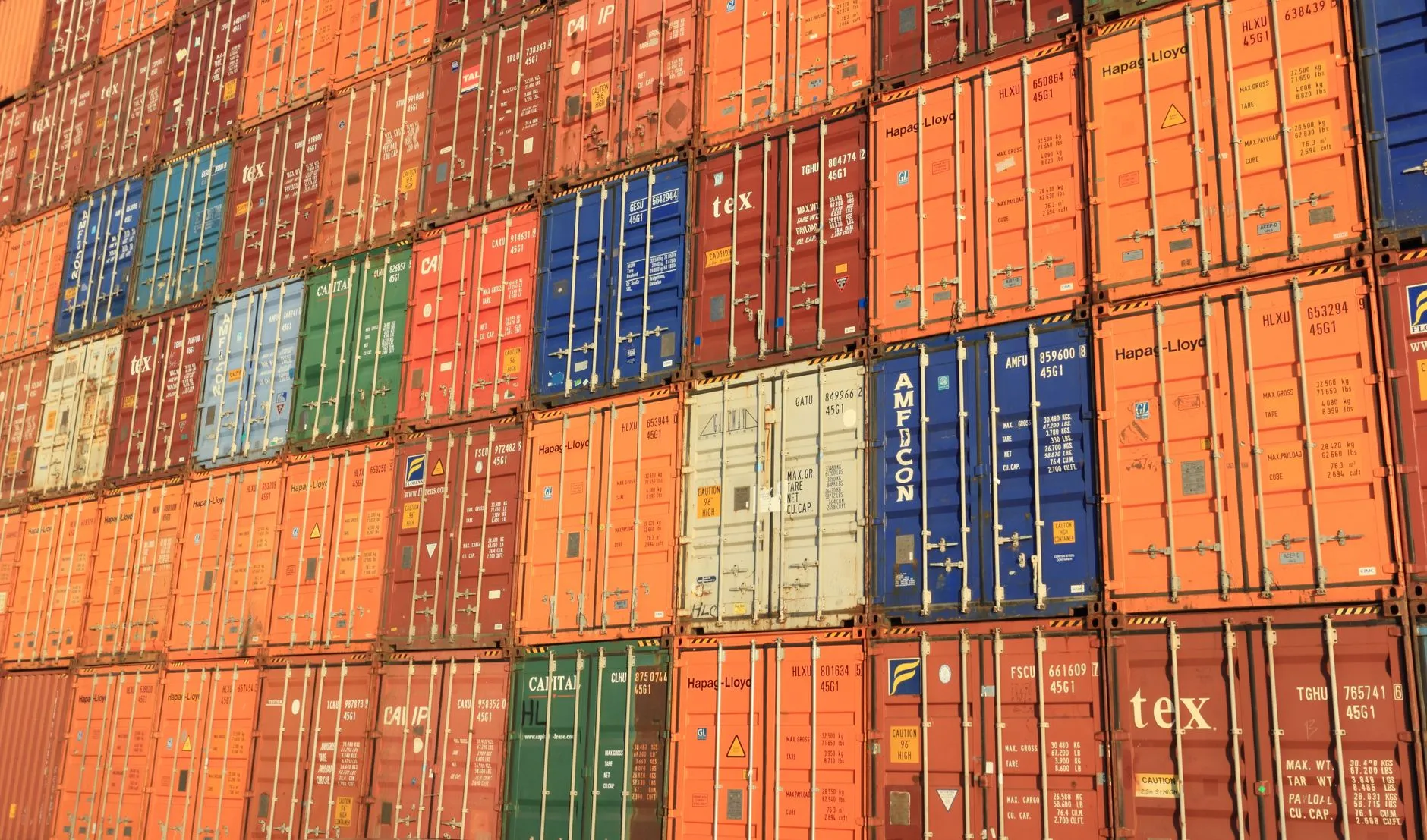
The UK will introduce a carbon charge on selected imports from 1 January 2027. This mechanism will apply to aluminium, cement, fertilisers, hydrogen, iron and steel entering the country. Businesses that import these materials, or use them in their supply chains, will face new costs and data requirements. The policy will reshape procurement decisions and supplier relationships across manufacturing, construction and industrial sectors.
The charge reflects a shift in how the UK manages carbon risk at its borders. Domestic producers already face costs under the UK Emissions Trading Scheme. This new border measure extends similar carbon pricing to imports. Consequently, businesses will need reliable emissions data from suppliers and clearer links between sustainability strategies and commercial decision-making.
The mechanism aims to reduce carbon leakage, where production moves to countries with weaker climate rules. It does this by pricing the carbon embedded in imported goods. As a result, the policy creates a financial incentive for lower-carbon materials and clearer supply-chain transparency.
Understanding the scope, calculation method and compliance requirements is now essential for affected businesses. Moreover, the policy will evolve after launch. Companies that prepare early will be better positioned for future changes in coverage, data requirements and cost exposure.
How the carbon charge applies to imports
The UK's Carbon Border Adjustment Mechanism places a price on the emissions embedded in specific imported products. It covers five sectors initially: aluminium, cement, fertilisers, hydrogen, and iron and steel. Glass and ceramics were considered during consultation but will not be included when the mechanism starts.
Not every product in these sectors will face the charge. The government will identify applicable goods using commodity codes. Therefore, importers must check the precise classification of their products rather than assuming all aluminium or steel imports are covered.
Businesses importing £50,000 or more of specified goods over a rolling 12-month period will face direct obligations under the policy. However, the effects extend beyond importers. Manufacturers using covered materials will experience indirect impacts through higher input costs, new supplier information requirements and changing sourcing decisions.
The charge will not be a single flat rate. Instead, rates will vary by sector and will be calculated quarterly using the UK ETS carbon price, sector emissions data, and the level of free allowances still allocated to domestic producers. Rates will change as the UK ETS price moves and as free allocations are phased out.
The government published illustrative figures in October 2026 to demonstrate the methodology. For 2027, indicative rates ranged from £1.45 per tonne of carbon dioxide equivalent for fertilisers to £9.79 for aluminium. These are not forecasts. Final rates for the first quarter of 2027 will be published before the end of 2026.
Rates will be updated every three months to reflect changes in the average UK ETS price and the reduction in free allocation. The rate applicable to an importer will be the rate in force when the goods were imported. This quarterly adjustment means businesses cannot treat initial rates as fixed costs.
Indirect emissions from electricity used in production will not be included from the start. Current government policy delays their inclusion until 2029 at the earliest. This gives businesses more time to develop the data systems needed to report embedded emissions from power generation.
What imported goods and materials are covered
The mechanism applies to specific products identified by commodity code, not to entire sectors. Businesses must therefore check whether their exact products fall within the defined scope. The government has published detailed product lists, but importers should verify classifications with customs specialists or HMRC guidance.
Iron and steel products include basic forms such as ingots, billets and slabs, as well as processed goods like bars, rods, wire and sections. Aluminium coverage includes unwrought forms and semi-finished products. Cement applies to clinker and finished cement products.
Fertilisers covered by the mechanism include ammonia, nitric acid, ammonium nitrate and certain other nitrogen-based fertilisers. Hydrogen is included as a distinct category, reflecting its growing use in industrial processes.
Products outside these categories will not face the charge, even if they contain small amounts of covered materials. For example, a finished vehicle contains steel, but the mechanism applies to steel products, not to cars. Similarly, construction equipment containing aluminium components would not be covered unless the imported components themselves are within the specified product codes.
The sectoral scope may expand after 2027. The government has stated it will keep coverage under review. Businesses using materials in sectors being considered for future inclusion should monitor policy developments and build flexible data systems.
Cost impacts and procurement implications
The financial impact will vary significantly depending on product type, import volume and emissions intensity. A business importing high-volume, emissions-intensive steel will face different exposure compared to one importing lower-carbon aluminium or smaller quantities of fertiliser.
Importers will bear the direct cost, but that cost will likely flow through supply chains. Manufacturers using covered materials as inputs may see price increases from suppliers. Construction firms using cement and steel may face higher material costs. Food producers relying on imported fertilisers could see input cost changes.
The mechanism creates a commercial advantage for suppliers with lower embedded emissions. A supplier able to demonstrate genuinely lower-carbon production could reduce an importer's charge. This may shift procurement toward suppliers with cleaner processes, recycled content or renewable energy use.
Conversely, suppliers unable to provide credible emissions data will create uncertainty. Without verified figures, importers may need to use government default values, which are typically set conservatively. This could result in higher charges than the actual emissions justify.
Businesses should therefore evaluate suppliers not only on price and quality but also on carbon intensity and data capability. Procurement criteria may need to include emissions disclosure, calculation methodologies and supporting verification. Early engagement with suppliers will help identify which can meet these requirements.
The quarterly rate adjustment adds complexity to financial planning. Businesses cannot budget using a single rate for the year. Instead, they must model scenarios reflecting changes in the UK ETS price, free allocation levels and potentially their own import volumes or supplier mix.
Currency movements and commodity price changes will interact with carbon costs. A business importing steel faces exposure to steel prices, exchange rates and carbon charges simultaneously. Consequently, financial planning needs to integrate these variables rather than treat carbon costs as a separate line item.
Some businesses may consider changing sourcing strategies. Options could include switching to lower-carbon suppliers, increasing use of recycled materials, sourcing from countries with comparable carbon pricing, or substituting covered materials with alternatives where technically feasible.
Others may invest in supplier development, working with existing partners to reduce production emissions. This could involve sharing technical knowledge, co-investing in cleaner processes or establishing longer-term contracts that reward emissions reductions.
Essential facts about the UK carbon border mechanism
- The mechanism starts on 1 January 2027 and applies to imports of aluminium, cement, fertilisers, hydrogen, iron and steel.
- Businesses importing £50,000 or more of specified goods over a rolling 12-month period face direct obligations under the policy.
- Rates will be calculated and published quarterly, reflecting changes in the UK ETS carbon price and the phase-out of free allowances.
- Illustrative 2027 rates ranged from £1.45 per tonne of carbon dioxide equivalent for fertilisers to £9.79 for aluminium, but final rates will be published before the mechanism starts.
- The charge applies to specific products identified by commodity code, not automatically to all goods within a covered sector.
- Indirect emissions from electricity will not be included until 2029 at the earliest, giving businesses additional time to prepare data systems.
- Glass and ceramics will not be covered from 2027, although the government may review sectoral scope in future.
Preparing data systems and supplier relationships
Compliance will depend on reliable emissions data. Importers need to know the carbon intensity of their products, which means obtaining credible information from suppliers. This is a significant challenge, particularly for businesses with complex supply chains or suppliers in countries without established carbon reporting frameworks.
Businesses should start by mapping which suppliers can provide verified emissions data and which cannot. For suppliers with existing capabilities, the focus should be on data quality, calculation methodology and verification processes. For suppliers without capabilities, businesses must decide whether to support development, accept default values or consider alternative sources.
Contracts and procurement processes may need updating to include emissions disclosure requirements. This should specify calculation boundaries, data formats, verification standards and update frequencies. Clear contractual terms reduce ambiguity and create accountability for data quality.
Emissions data governance will become more important. Inaccurate figures create financial risk if charges are miscalculated, compliance problems if reporting is incorrect, and reputational damage if claims are challenged. Therefore, businesses need internal processes to review, validate and document supplier emissions data.
The link between emissions data and carbon reporting compliance will strengthen. Businesses already reporting Scope 3 emissions under net-zero commitments or PPN 06/21 requirements will need consistent data for both border charges and sustainability reporting. Building integrated data systems reduces duplication and improves accuracy.
Supplier engagement should begin early. Businesses that wait until late 2026 may find suppliers overwhelmed with data requests from multiple customers. Early engagement allows time for suppliers to build capabilities, test methodologies and resolve data gaps.
Some businesses may need to distinguish between suppliers making credible environmental claims and those using vague or unsupported language. The mechanism creates a financial incentive for accurate emissions disclosure, which may help separate genuine lower-carbon producers from those relying on marketing alone.
Training may be necessary for procurement, sustainability and finance teams. Understanding carbon accounting, emissions boundaries, verification standards and calculation methodologies will help businesses evaluate supplier data and make informed decisions. Professional development in carbon measurement supports better procurement outcomes and compliance confidence.
Strategic connections to net-zero planning
The mechanism should not be treated solely as a customs or tax issue. Its effects intersect with net-zero strategies, supply-chain resilience, product design, capital investment and customer expectations. Businesses that integrate border charge preparation with broader transition planning will achieve better outcomes.
For companies with net-zero commitments, the mechanism reinforces the need to reduce Scope 3 emissions. Purchased goods and services often represent the largest share of total emissions for manufacturers and construction firms. Reducing the carbon intensity of imported materials addresses both compliance costs and climate targets.
The policy also affects sustainable procurement strategies. Procurement teams will increasingly need to evaluate suppliers using price, quality, delivery and carbon intensity together. This requires cross-functional collaboration between sustainability, procurement, finance and operations.
Businesses supplying the public sector face additional considerations. PPN 06/21 requires suppliers bidding for major government contracts to publish carbon reduction plans. The border mechanism adds another dimension to supply-chain emissions management, particularly for construction and infrastructure projects using steel, cement and aluminium.
Product design decisions may also be influenced. Designers could consider material substitution, recycled content, modular construction or circular business models that reduce reliance on virgin imports. These changes may reduce both carbon costs and overall environmental impact.
Capital investment planning could shift as businesses evaluate whether to source materials differently, invest in supplier development or change production processes. Some may consider domestic sourcing where viable, while others may invest in lower-carbon logistics or on-site material processing.
Customer expectations are also evolving. Businesses selling to environmentally conscious customers or operating in sectors with sustainability commitments may face questions about the carbon intensity of their products. The mechanism provides a framework for measuring and communicating embedded emissions, which could support product differentiation or sustainability claims.
Scenario planning should consider not only current policy but also potential future changes. The government may expand sectoral coverage, include indirect emissions earlier than 2029, or adjust calculation methodologies. Businesses with flexible data systems and supplier processes will adapt more easily to policy changes.
Government guidance and further information
The UK government has published detailed guidance on the mechanism through HMRC and the Department for Energy Security and Net Zero. Official resources include technical specifications, commodity code lists, calculation methodologies and compliance procedures.
HMRC provides specific guidance for importers, including registration requirements, reporting obligations and payment processes. Businesses should review these materials to understand their direct obligations and timelines for implementation.
The Department for Energy Security and Net Zero has published policy documents explaining the rationale, scope and wider context of the mechanism. These resources help businesses understand how the policy fits within broader climate strategy and what future developments may occur.
Industry bodies including the Confederation of British Industry, Make UK and the Institute of Environmental Management and Assessment have produced member briefings and sector-specific analysis. These resources provide practical perspectives on how different industries are responding to the policy.
Businesses should monitor official government channels for updates on final rates, commodity code clarifications and any policy adjustments before the January 2027 start date. Early awareness of changes allows more time for planning and system updates.