
UK EV Sales Surge as Drivers Choose Electric Cars
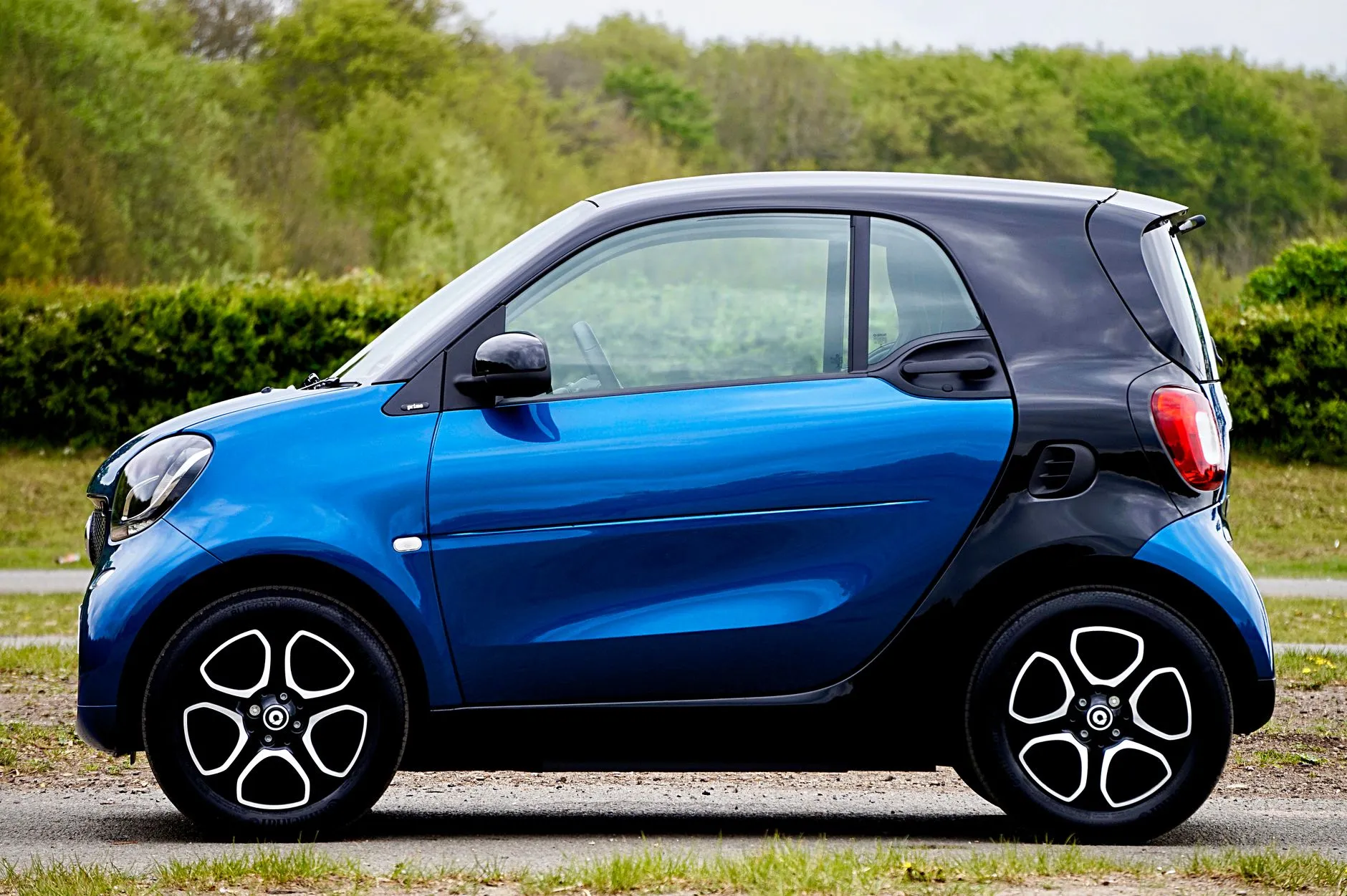
The UK registered 49,155 new battery-electric cars in October 2026. That represents a 54% increase on the same month last year and gave electric vehicles 31.8% of the total new car market. For the first time, fully electric cars temporarily became the largest fuel type by monthly share.
This marks a clear shift in purchasing patterns. However, it also raises practical questions for businesses that run fleets, manufacturers adjusting production lines, and policymakers weighing up how quickly the transition can proceed without commercial disruption.
Total new car registrations reached 154,407 in October, up nearly 27% year on year. Battery-electric vehicles accounted for almost one in three of those sales. The monthly result follows similarly strong figures in September, when just over 99,000 electric cars were registered.
These numbers reflect consumer choices, but they also reflect regulatory pressure. Manufacturers operating in the UK are now required to meet rising annual quotas for zero-emission vehicle sales under the government's Zero Emission Vehicle Mandate.
Regulatory targets pushing manufacturers to increase supply
The ZEV Mandate sets out legally binding annual thresholds for the proportion of new car sales that must be zero-emission. The requirement began at 22% in 2024, rose to 28% in 2025, and increased again to 33% in 2026. By 2030, the target rises to 80%.
Manufacturers can use a range of flexibilities, including banking credits and trading allowances between different vehicle categories. Nevertheless, the Society of Motor Manufacturers and Traders estimated in September that the industry would need an additional 265,000 battery-electric registrations during the final quarter of 2026 to meet the annual threshold.
October's record sales narrowed that gap. Whether the full-year target is met depends on registrations in November and December, which are typically strong months for new car sales, and on how manufacturers apply the compliance mechanisms available under the mandate.
The government maintains a longer-term policy to phase out the sale of new petrol and diesel cars entirely by 2030. All new cars and vans sold from 2035 onwards must be zero-emission. These deadlines are firm, although the pathway to reach them is currently under review.
Financial incentives and charging infrastructure expansion
Government support has played a role in the growth of electric vehicle sales. The Electric Car Grant offers up to £3,750 off the purchase price of an eligible new electric vehicle. By August 2026, the scheme had supported more than 160,000 purchases.
Charging infrastructure has also expanded significantly. The public charging network now includes more than 120,000 charge points across the UK. In addition, over one million charging points have been installed in homes and workplaces. The government has allocated a further £600 million to continue expanding public charging capacity.
These measures address two barriers that have historically slowed adoption: the upfront cost of electric vehicles and concerns about access to convenient charging. For businesses, these factors remain critical when deciding whether to transition fleet vehicles or specify electric options in company car policies.
Nevertheless, charging infrastructure remains uneven. Drivers without off-street parking face higher costs and less convenience. Regional coverage varies, and the cost of rapid charging on public networks can be substantially higher than home charging rates. For SMEs operating mixed fleets, these inconsistencies complicate planning.
Reviewing the mandate amid industry pressure
Strong sales figures do not mean the transition is proceeding smoothly for all manufacturers. The ZEV Mandate places the responsibility for increasing electric vehicle sales on carmakers, regardless of variations in consumer demand across different vehicle segments and income groups.
In August 2026, the government launched a consultation to review the mandate and its pathway through to 2035. Options reportedly under consideration include reducing the 2030 requirement from 80% to as little as 50%, or retaining the 80% target while extending some compliance flexibilities until 2034.
The consultation reflects concerns from parts of the automotive industry. Trade bodies have argued that targets must account for affordability, international competition, and the cost of shifting production capacity. Environmental organisations have warned that weakening the mandate could reduce investment and slow progress toward emissions reductions.
Meanwhile, the government has emphasised the commercial opportunity. British manufacturers and charging companies are investing billions of pounds in the sector, supported by £7.5 billion of public funding. The consultation outcome will determine whether policy aligns more closely with industry timelines or environmental commitments.
Monthly market share reaches one in three new cars
October's data show that electric vehicles are no longer a niche product category. A market share approaching one-third gives manufacturers a stronger incentive to expand model ranges, improve pricing structures, and compete for mainstream buyers.
There are also signs that the financial case for owning an electric vehicle is improving. Analysis cited by Green Alliance suggests that electric cars are now, on average, cheaper to buy new than comparable petrol cars. Running cost savings of up to £1,400 per year are possible, although actual savings depend on annual mileage, electricity tariffs, insurance premiums, and charging arrangements.
For businesses, the total cost of ownership calculation is more complex. Company car tax treatment currently favours electric vehicles, which has driven strong adoption in the fleet sector. However, factors such as depreciation, residual values, maintenance costs, and vehicle availability all affect decision-making.
The figures should not be interpreted as evidence that the transition is complete. Battery-electric sales remain concentrated in certain segments, particularly among fleet buyers and higher-income households. New car registrations also exclude the used car market, where price-sensitive buyers are more likely to purchase vehicles and where electric options remain limited.
What UK businesses need to know about electric vehicle adoption
- Battery-electric vehicles accounted for 31.8% of new car registrations in October 2026, a 54% increase on the same month in 2025.
- The Zero Emission Vehicle Mandate requires manufacturers to ensure 33% of their 2026 new car sales are zero-emission, rising to 80% by 2030.
- The government's Electric Car Grant offers up to £3,750 off eligible new electric vehicles and had supported over 160,000 purchases by August 2026.
- Public charging infrastructure has grown to more than 120,000 charge points, with over one million additional points installed in homes and workplaces.
- The government is consulting on options to adjust the ZEV Mandate pathway, including potentially reducing the 2030 target from 80% to 50%.
- Electric vehicles are on average cheaper to buy new than comparable petrol cars and may save drivers up to £1,400 annually in running costs, depending on usage and charging arrangements.
Assessing whether October signals a lasting shift
The central question is whether October represents a temporary year-end surge or evidence of a durable change in mainstream buying behaviour. Manufacturers often increase discounts and registrations toward the end of the year to meet annual targets, which can distort monthly comparisons.
Three factors suggest the trend may be sustainable. First, consumer demand is strengthening across a wider range of models and price points. Second, the market is approaching a tipping point where electric vehicles become the default choice in certain segments. Third, policy pressure is intensifying, which gives manufacturers a clear commercial incentive to expand supply.
However, several risks remain. Interest rates affect finance costs, which influences purchasing decisions for both consumers and businesses. Vehicle availability varies across manufacturers and models. Smaller, more affordable electric cars remain in short supply, which limits options for budget-conscious buyers.
For SMEs, the transition has direct implications. Businesses that operate fleets need to consider replacement cycles, charging infrastructure costs, and vehicle suitability for specific use cases. Those that supply larger organisations or public sector bodies may face procurement requirements that favour or mandate zero-emission vehicles.
The outcome of the ZEV Mandate review will clarify the timeline. If the government maintains ambitious targets, manufacturers will need to continue expanding electric vehicle production and competing on price. If targets are relaxed, the pace of the transition may slow, although consumer demand appears strong enough to sustain growth even without regulatory pressure.
From a compliance perspective, businesses should monitor how the mandate affects vehicle availability and pricing. Fleet managers should assess total cost of ownership calculations based on current incentives and charging costs. Finance teams should factor in potential changes to company car tax treatment and capital allowances for charging infrastructure.
The October figures confirm that electric vehicles are becoming a central part of the UK new car market. Whether this translates into meeting the government's 2030 and 2035 objectives depends on continued consumer incentives, reliable charging infrastructure, competitive pricing, and sustained investment from manufacturers. For businesses, the question is no longer whether to plan for electric vehicles, but when and how to integrate them into operations.
Where to find additional guidance and policy updates
For the latest policy developments on zero-emission vehicle requirements and timelines, visit the Department for Transport website. The Society of Motor Manufacturers and Traders publishes monthly registration data and analysis of market trends.
Details of the government's Electric Car Grant and eligibility criteria are available on the gov.uk plug-in vehicle grants page. For information on public charging infrastructure and installation support, the government's low-emission vehicle grants collection provides guidance.
Businesses considering fleet electrification or needing support with carbon reporting related to transport emissions can explore our net-zero program for carbon reporting compliance. For broader sustainability compliance requirements, including supply chain and procurement considerations, visit our compliance support services.