
UK urged to unlock waste heat sources to decarbonise heating
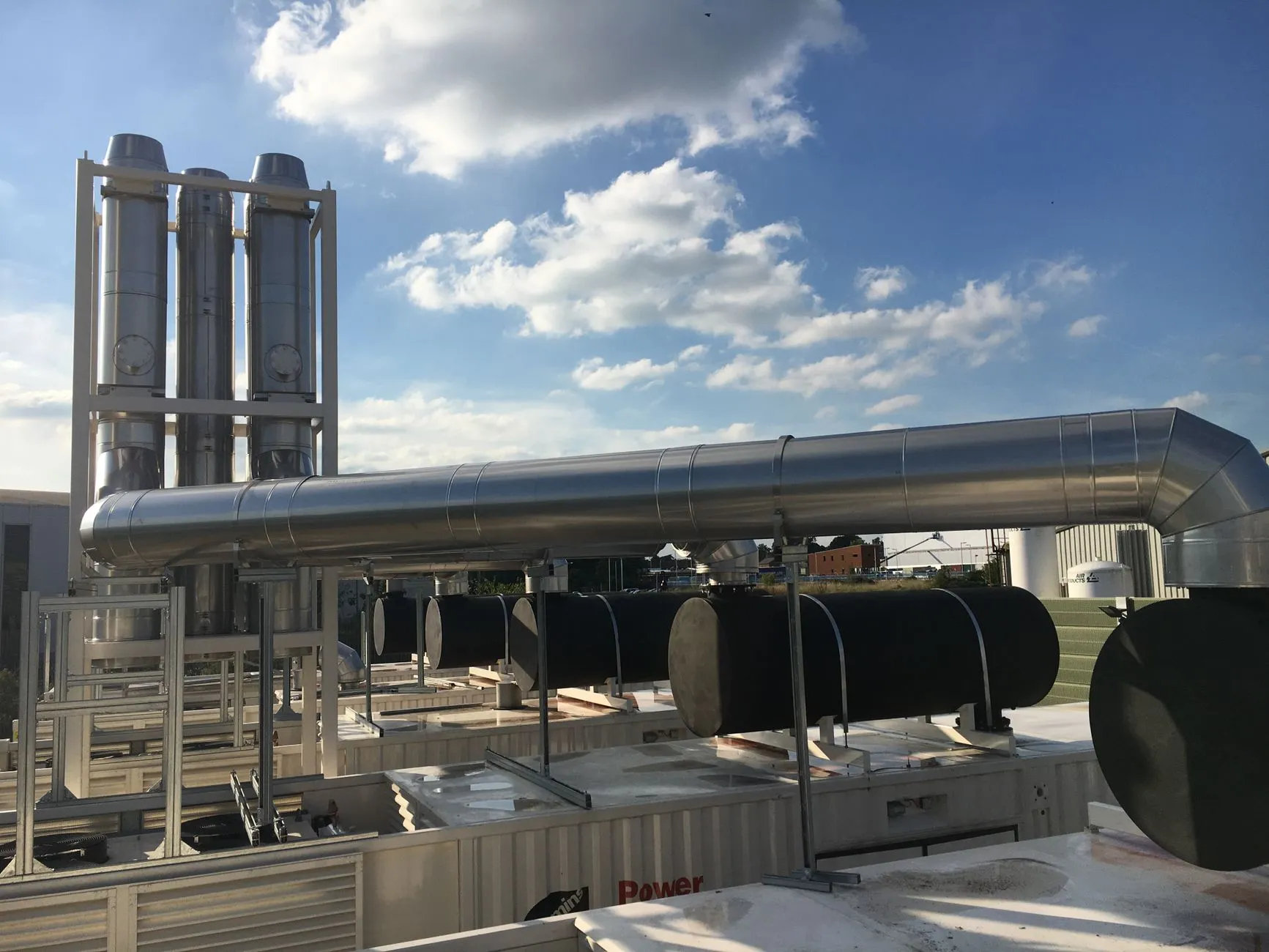
Thousands of industrial sites, data centres and energy facilities across England could supply low-carbon heat to homes and businesses. However, most of that potential remains untapped because developers cannot make the commercial case to connect them.
A recent analysis identified nearly 4,780 recoverable heat sources located within one kilometre of areas earmarked for heat network expansion. These sources include factories, data centres, nuclear plants and waste processing facilities that currently release heat into the atmosphere. The proximity matters because shorter connections reduce infrastructure costs and technical risk.
Despite this, few projects are moving forward. The barriers are not primarily technical. Instead, weak commercial frameworks, fragmented policy and poor data visibility are preventing heat network developers from securing the investment needed to build the connecting infrastructure.
This comes at a critical moment for UK heating policy. Heat networks currently supply around 3% of national heat demand. Government ambitions aim to increase this to 20% by 2050, which would require a major scaling effort across cities, towns and industrial areas.
Why waste heat recovery matters for decarbonisation
Heating buildings accounts for a significant portion of UK carbon emissions. Most homes and commercial properties still rely on gas boilers, which burn fossil fuels on site. Switching to low-carbon alternatives is essential for meeting net-zero targets, but the transition is complex.
Heat networks offer a different approach. Rather than installing individual heating systems in each building, these networks distribute hot water or steam from central sources through underground pipes. Consequently, they can combine multiple technologies and heat sources that would be impractical at individual property level.
Recovered industrial heat is particularly valuable because it uses energy that would otherwise be wasted. Data centres generate continuous heat from servers. Manufacturing processes release thermal energy during production. Energy-from-waste plants produce heat when processing refuse. In each case, capturing and redistributing that heat can reduce the need for additional energy generation.
The environmental benefit depends on how the system is designed. Carbon savings must account for emissions from the original process, electricity used for pumping and upgrading heat, and any backup generation. Therefore, robust carbon accounting is essential to ensure genuine decarbonisation rather than simply relocating emissions.
Commercial barriers prevent viable heat sources being connected
Physical proximity alone does not create a functioning heat network. Projects require significant upfront investment in pipes, heat exchangers, pumping stations and control systems. Developers need confidence that customers will connect, that heat supply will remain reliable, and that revenues will cover costs over decades.
Currently, many potential schemes fail to secure investment because the allocation of risk and reward remains unclear. Heat source owners may be unwilling to commit to long-term supply contracts without guaranteed revenue. Network developers cannot justify construction costs without certainty about heat availability. Local authorities lack the powers or resources to coordinate between multiple parties.
Furthermore, the broader system benefits of waste heat recovery are often not reflected in project economics. A scheme that reduces peak demand on the electricity grid, avoids the need for new generation capacity, or helps a city meet climate targets may still appear financially marginal when assessed purely on heat sales.
This creates a gap between technical potential and commercial reality. The analysis warns that without clearer frameworks for valuing recovered heat, thousands of nearby sources will remain economically stranded despite being physically accessible.
Heat network zoning aims to reduce demand uncertainty
Recognising these challenges, the UK government has introduced new policy measures intended to support heat network expansion. The Energy Act 2023 granted powers to designate heat network zones in England, where local or regional bodies coordinate development within defined areas.
Zoning addresses one of the sector's central problems: demand uncertainty. Investors hesitate to fund heat infrastructure when they cannot establish which buildings will connect or how much heat customers will purchase. By identifying specific areas where heat networks offer the most cost-effective low-carbon heating option, zoning should provide greater certainty for developers and financiers.
The government is testing this approach through a programme involving 28 English towns and cities. In October 2024, six areas received funding to become the first designated heat network zones. These pilot schemes will help establish how zoning works in practice and what additional support developers need.
Meanwhile, public funding programmes are providing capital for network construction. The Heat Network Transformation Programme includes more than £500 million in government support for developing new networks and upgrading existing schemes. The Green Heat Network Fund offers capital grants for low-carbon and zero-carbon networks, including projects that connect waste heat sources.
However, the analysis argues that funding and zoning powers alone will not solve the problem. Commercial frameworks must clarify who pays for connection infrastructure, where construction risk sits, and whether projects can capture the full value of the heat they recover.
Three policy priorities for scaling waste heat recovery
The analysis recommends three broad principles to improve the commercial environment for waste heat projects. Each addresses a specific barrier that currently prevents investment.
First, value frameworks need to recognise the wider benefits of recovered heat beyond immediate energy sales. Heat recovery can reduce carbon emissions, lower demand for new generation capacity, improve local energy resilience, and help networks meet decarbonisation requirements. Procurement processes in heat network zones should account for these system-level benefits when assessing potential heat sources.
Specific recommendations include expanding the UK Emissions Trading Scheme to cover energy-from-waste plants, with appropriate treatment of emissions allowances for heat supplied to networks. This would create a financial incentive for facilities to recover heat rather than releasing it. Additionally, continuing capital support through the Green Heat Network Fund would help developers build the infrastructure needed to connect sources to zones.
The analysis also proposes establishing a Carbon Reporting and Innovation Office to strengthen carbon accounting standards. Credible measurement is essential to ensure that recovered heat genuinely reduces emissions rather than creating misleading carbon claims.
Second, policy should preserve commercial and operational flexibility rather than imposing a single business model across all heat sources. Different facilities operate under different conditions. Data centres provide relatively steady output throughout the year. Industrial sites may have seasonal or process-dependent availability. Energy-from-waste plants operate under specific contractual and regulatory requirements.
Contracts must reflect these variations. Standardised templates could reduce legal costs and negotiation time while allowing terms to be adapted to individual circumstances. Flexibility becomes increasingly important as networks combine multiple sources, potentially shifting between recovered heat, large heat pumps, thermal storage and backup generation depending on availability and demand.
Third, data quality and availability must improve significantly. The analysis calls for a live, open data platform showing where recoverable heat exists, how much is available, when it can be supplied, and how it relates to nearby demand. Better information would enable earlier coordination between developers, local authorities and industrial operators.
Moreover, heat recovery assessments could become a planning requirement for large energy-consuming facilities. This would ensure that heat opportunities are considered before designs are finalised, rather than retrofitting connections after construction is complete.
London demonstrates the value of strategic heat mapping
London provides a practical example of how improved data can support heat network development. The London Waste Heat Study, published in 2024, mapped major recoverable heat sources across the capital and compared them with heat demand patterns.
The analysis identified seven Strategic Heat Network Areas where waste heat sources align closely with concentrated demand. These areas are now being used to coordinate expansion efforts and target public and private investment where it can achieve the greatest impact.
This strategic approach contrasts with earlier development patterns, where individual networks were often built opportunistically without considering how they might eventually connect to form larger systems. By mapping supply and demand in advance, London has created a framework that should reduce duplication, improve coordination and attract larger-scale investment.
Regulation must protect consumers without deterring investment
Expansion of heat networks raises important consumer protection questions. Unlike gas or electricity customers, people connected to a heat network typically cannot switch suppliers. Pricing transparency, service standards and reliability therefore require careful regulation.
The government is developing a stronger regulatory framework to address these concerns. New measures aim to improve performance standards, reduce emissions from existing networks, and protect customers from excessive pricing or poor service. Regulation must balance consumer protection with the need to maintain investor confidence and avoid making projects prohibitively complex or expensive.
This is particularly relevant for waste heat recovery schemes. Long-term supply contracts between heat source owners and network operators must provide sufficient certainty to justify investment, while network operators must maintain flexibility to serve customers reliably if individual sources become unavailable.
Consequently, regulatory frameworks need to accommodate the operational realities of multi-source networks while ensuring that consumers receive fair treatment and reliable service. Getting this balance right will be essential for scaling heat networks beyond current levels.
Key facts about waste heat and heat networks
- Nearly 4,780 potentially recoverable heat sources are located within one kilometre of proposed heat network zones across England.
- Heat networks currently supply approximately 3% of UK heat demand, with government ambitions to reach 20% by 2050.
- The Energy Act 2023 granted powers to introduce heat network zoning in England, with 28 towns and cities participating in pilot programmes.
- More than £500 million in government funding is available through the Heat Network Transformation Programme for developing and upgrading networks.
- Waste heat sources include data centres, industrial facilities, nuclear plants and energy-from-waste facilities that currently release heat into the atmosphere.
- Commercial uncertainty, weak data and fragmented policy are preventing many technically viable heat recovery projects from securing investment.
- London has identified seven Strategic Heat Network Areas based on mapping of waste heat sources and demand patterns.
What businesses with recoverable heat should consider
If your business operates facilities that generate significant waste heat, several factors are worth examining now rather than waiting for policy frameworks to mature.
First, understanding whether your location falls within or near a proposed heat network zone matters for future planning. The pilot programme involving 28 English towns and cities will inform how zoning is rolled out more widely. Being in a designated zone could create new commercial opportunities or, potentially, new obligations to supply heat where technically feasible.
Second, the economics of heat recovery depend heavily on distance to demand. Facilities located near residential areas, commercial districts or industrial estates may have stronger commercial potential than isolated sites. However, proximity alone does not guarantee viability. You would need to assess the capital cost of connection infrastructure, the reliability of your heat output, and whether potential network operators can offer contractual terms that work for your business.
Third, carbon accounting is becoming increasingly sophisticated. If you report emissions under existing frameworks, supplying waste heat to a network could affect your carbon position. The treatment of emissions allowances under the UK Emissions Trading Scheme may change as policy develops, particularly for energy-from-waste facilities. Understanding how these rules might apply to your operations can inform strategic planning.
Fourth, planning applications for new facilities or major refurbishments may eventually require heat recovery assessments. Designing heat export capabilities into new builds is typically cheaper than retrofitting them later. Early engagement with local authorities about heat network plans in your area could identify opportunities or requirements before they become formal obligations.
Finally, public funding for heat network infrastructure may be available to reduce connection costs. The Green Heat Network Fund and similar programmes provide capital support for projects that link low-carbon heat sources to networks. However, accessing this funding requires coordination with network developers and local authorities, which takes time and planning.
For businesses subject to PPN 06/21 requirements when bidding for public contracts, demonstrating progress toward net-zero targets can strengthen procurement submissions. Supplying waste heat to a local network could form part of your carbon reduction plan, provided the emissions accounting is credible and the heat genuinely reduces overall system carbon.
Our net-zero program for carbon reporting compliance helps businesses understand how different decarbonisation options affect their carbon position and procurement competitiveness. We work with companies across manufacturing, logistics and facilities management to develop practical reduction strategies that align with regulatory requirements and commercial realities.
Where to find further information
The Department for Energy Security and Net Zero publishes guidance on heat network policy, zoning programmes and funding opportunities. Their website includes details of the pilot zoning programme and updates on regulatory development.
The government's heat networks guidance explains how zoning powers work, eligibility criteria for funding programmes, and the regulatory framework being developed for consumer protection.
The Greater London Authority has published detailed heat network mapping and strategic planning documents that demonstrate how waste heat sources can be matched with demand at city scale.
For businesses considering how waste heat recovery might affect carbon reporting obligations, the government's greenhouse gas reporting conversion factors provide standardised methods for calculating emissions reductions from different heat sources.