
UKGBC Launches Regenerative Places Framework for Housing
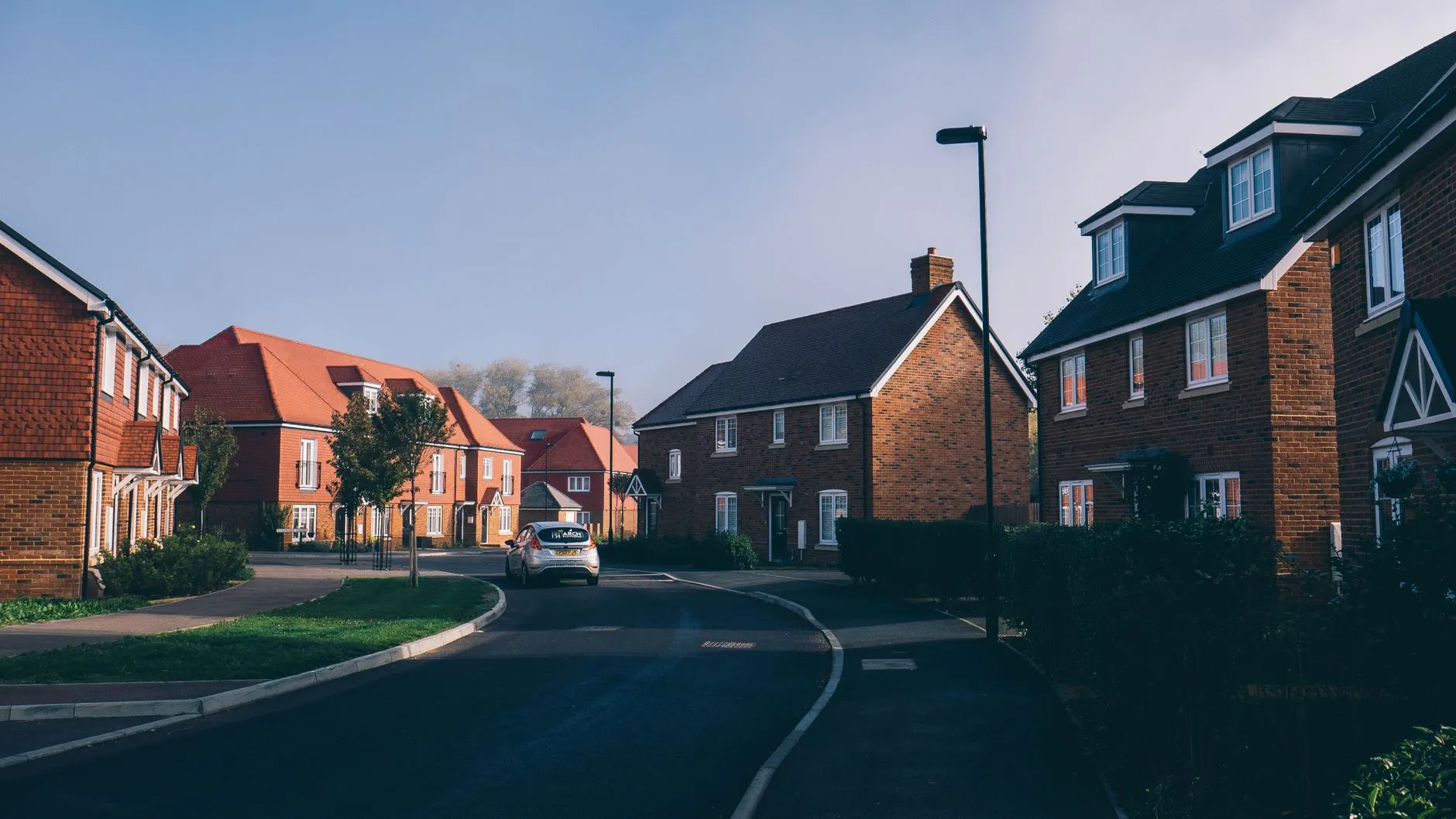
The UK Green Building Council has released a new framework designed to change how housing projects are planned, built and managed across Britain. Instead of simply reducing environmental damage, the guidance asks developers, local councils and housing providers to create homes that actively restore nature, strengthen communities and improve resilience to climate change.
Released in September 2024, the Regenerative Places Framework for Housing sets out a structured approach to what UKGBC calls regenerative development. The idea is straightforward: housing should leave places healthier than it found them. For businesses working in construction, property development or retrofit, that represents a shift in how project success gets measured and reported.
The framework matters because it arrives at a time when housing policy is caught between competing pressures. The UK needs more homes. Meanwhile, planning authorities are tightening environmental standards, biodiversity net gain is now mandatory, and procurement rules increasingly favour social value and carbon reduction. Consequently, developers and contractors face growing scrutiny over how their projects affect local ecosystems, energy systems and community wellbeing.
This guidance offers a way to meet those expectations without treating sustainability as a compliance checklist. It also provides a common language for discussing outcomes that go beyond the number of units delivered or the embodied carbon saved. For SMEs tendering for housing work or managing retrofit programmes, understanding this framework could become commercially important as clients begin using regenerative principles to shape briefs and assess bids.
What the framework contains and how it was developed
UKGBC developed the framework through a task group of member organisations, supported by workshops held in Bristol, London, Manchester and Edinburgh. A public consultation ran during June 2024. The resulting document is aimed at people who fund, plan, commission, design, deliver and manage housing projects, including local authorities, housing associations, planners, developers and construction professionals.
The framework is built around nine dimensions of place. These cover the physical, social and ecological systems that housing interacts with. UKGBC has not published the full list of dimensions in its promotional materials, but the guidance is designed to help project teams consider how housing affects water, energy, biodiversity, materials, skills and community participation.
In addition, the framework sets out six key transitions. These describe shifts in practice needed to move from conventional development to regenerative approaches. The transitions include rethinking value beyond short-term financial viability, establishing early and lasting community participation, and adopting what UKGBC calls a living systems approach.
The document also includes policy conditions and organisational changes needed to support implementation. Furthermore, it contains a charter for working regeneratively and case studies drawn from projects currently in design or recently completed. The case studies are intended to show how regenerative principles can be applied in practice, rather than remaining abstract.
UKGBC held an online launch event on 6 October 2024 to share the framework's principles and explain the learning from the consultation process. The framework sits within UKGBC's broader Regenerative Places programme, which explores how place-based retrofit and housing can generate wider benefits such as decarbonised heat, improved biodiversity and greener public space.
Regenerative development versus conventional sustainability
Regenerative development is not the same as sustainable development, although the two concepts overlap. Sustainable development typically focuses on minimising harm. Projects aim to reduce carbon emissions, limit waste, protect existing habitats and avoid polluting watercourses. These are necessary goals, but they do not repair damage or strengthen ecosystems.
Regenerative development goes further. It asks whether a project can restore degraded land, increase biodiversity, improve water quality, create local employment or strengthen social infrastructure. The approach treats housing as part of a larger system that includes soil, water, air, plants, animals and people. Accordingly, success is measured by whether the system becomes healthier over time.
This matters for UK businesses because regenerative thinking is beginning to influence how public and private clients write briefs. Local authorities are asking for developments that contribute to nature recovery networks. Housing associations want projects that reduce fuel poverty and build community resilience. Large employers are looking for developments that support local skills and supply chains.
For SMEs, this creates both opportunity and risk. Businesses that understand regenerative principles can position themselves as partners in delivering these outcomes. However, those that continue to treat sustainability as a box-ticking exercise may find themselves excluded from tenders or outcompeted by firms that can articulate a broader vision.
Commercial and regulatory drivers behind the framework
Several regulatory and market forces are making regenerative approaches more relevant to UK housing. Biodiversity net gain became mandatory for most developments in England in February 2024. Developers must now demonstrate a 10 per cent increase in biodiversity value, either on site or through off-site contributions. This requirement pushes projects to think about habitat creation and ecological connectivity, not just mitigation.
Social value requirements are also growing. Public sector clients must consider social value under the Public Services (Social Value) Act 2012. Many housing associations and local authorities now include social value criteria in procurement, covering employment, skills, local supply chains and community engagement. Projects that can demonstrate regenerative outcomes are better placed to score well against these criteria.
Climate adaptation is another driver. The UK is experiencing more frequent flooding, heatwaves and droughts. Homes need to be resilient to these conditions. Green infrastructure, water management, urban cooling and energy efficiency are no longer optional extras. They are becoming baseline expectations, particularly for social housing and publicly funded projects.
Energy performance standards are tightening too. The Future Homes Standard will require new homes built from 2025 to produce 75 to 80 per cent less carbon emissions than current building regulations allow. Retrofit projects face parallel pressures under the Social Housing (Regulation) Act 2023, which requires social landlords to meet Decent Homes Standard and improve energy performance.
Meanwhile, access to finance is increasingly tied to environmental performance. Lenders and investors are scrutinising projects for climate risk, nature-related financial disclosures and alignment with net zero targets. Projects that can demonstrate regenerative outcomes may find it easier to secure funding, particularly from impact investors and green finance providers.
How the framework applies to different business types
For developers, the framework offers a way to differentiate projects in a competitive market. Housing that visibly improves local ecosystems, creates community spaces or supports local employment can be marketed more effectively. It also helps meet planning requirements and satisfy social value criteria in public sector tenders.
Contractors and builders can use the framework to guide how they source materials, manage waste, engage local labour and minimise disruption. Regenerative approaches often favour local supply chains, natural materials and circular economy principles. These align well with carbon reduction targets and can reduce costs over the project lifecycle.
For housing associations and local authorities, the framework provides a structure for long-term asset management. Homes that are designed with climate resilience, biodiversity and community wellbeing in mind are likely to perform better over decades. They may require lower maintenance, incur lower energy costs and generate fewer tenant complaints.
Retrofit specialists should pay particular attention. The framework explicitly includes retrofit projects, not just new builds. Consequently, businesses working on whole-house retrofits, estate regeneration or energy efficiency programmes can apply regenerative principles to improve outcomes. This might include rainwater harvesting, green roofs, community energy schemes or habitat creation in communal areas.
Consultants and designers have a role in translating regenerative principles into project briefs, planning applications and contractor specifications. Understanding the framework allows them to advise clients on how to meet emerging expectations and avoid greenwashing. It also supports compliance with biodiversity net gain, social value and carbon reporting requirements.
Key facts and what they mean for UK businesses
- The Regenerative Places Framework for Housing was published by UKGBC in September 2024 following workshops in four UK cities and a public consultation in June 2024.
- The framework is structured around nine dimensions of place and six key transitions, designed to help housing projects restore nature, strengthen communities and improve climate resilience.
- It applies to new housing, retrofit projects and estate regeneration, making it relevant to developers, contractors, housing associations, local authorities and retrofit specialists.
- Regenerative development differs from conventional sustainability by aiming to improve ecosystems and social systems, not just reduce harm.
- The framework aligns with mandatory biodiversity net gain, social value procurement requirements and the Future Homes Standard, all of which are shaping how housing projects are commissioned and delivered.
- UKGBC held an online launch event on 6 October 2024 to share the framework's principles and explain how organisations can adopt regenerative approaches.
- The framework forms part of UKGBC's broader Regenerative Places programme, which explores how housing and retrofit can generate wider benefits including decarbonised heat, improved biodiversity and greener public space.
What businesses should consider next
First, familiarise yourself with the framework. UKGBC has made the document publicly available. Reading it will help you understand how regenerative principles are being defined and what outcomes clients may start requesting. If you work on housing projects, this knowledge will become commercially useful as briefs begin reflecting these ideas.
Second, review your current projects through a regenerative lens. Are you creating habitats or just avoiding harm? Are you involving communities early or only during statutory consultation? Are you sourcing materials locally or defaulting to national suppliers? Small changes in approach can improve outcomes without adding significant cost.
Third, consider how you measure and report project success. Regenerative development requires different metrics. You might need to track biodiversity improvements, community engagement hours, local employment or water quality. These metrics are increasingly important for social value scoring, ESG reporting and client satisfaction.
Fourth, identify partners who share a regenerative approach. Ecologists, landscape architects, community engagement specialists and green infrastructure contractors can help you deliver projects that meet the framework's principles. Building these relationships now will strengthen your capability when clients request regenerative outcomes.
Fifth, engage with your local planning authority. Some councils are already incorporating regenerative principles into local plans and supplementary planning documents. Understanding how your area is interpreting these ideas will help you prepare better planning applications and avoid delays.
Sixth, think about training and capability. The framework is not just about technical standards. It requires a shift in mindset and collaboration. Consequently, staff may need support to understand systems thinking, participatory design and long-term stewardship. Our SBS Academy training programmes can help teams develop the skills needed to work effectively on regenerative projects.
Seventh, review your supply chain. Regenerative development often favours local materials, circular economy approaches and suppliers with strong environmental and social credentials. If you are working toward carbon reporting compliance, this also supports Scope 3 emissions reduction and demonstrates progress to clients and procurement teams.
Where to find authoritative guidance and support
The Regenerative Places Framework for Housing is available directly from the UK Green Building Council website. UKGBC also publishes guidance on biodiversity net gain, net zero carbon buildings and circular economy principles, all of which complement the regenerative framework.
For biodiversity net gain requirements, the Department for Environment, Food and Rural Affairs provides statutory guidance, calculation tools and information on habitat banks and off-site contributions. This is essential reading for any business working on housing developments in England.
Social value requirements are explained in detail by the Cabinet Office guidance on the Public Services (Social Value) Act. The guidance covers how social value is assessed in procurement and what types of outcomes are typically measured.
For climate adaptation and green infrastructure, CIRIA publishes technical guidance on sustainable drainage, urban greening and nature-based solutions. These resources are widely used by engineers, planners and developers.
If your business needs support with ESG compliance, carbon reporting or sustainable procurement, we can help you align your operations with regenerative principles while meeting regulatory requirements and tender expectations.