
Unlocking the Organic Market: A Plan for Stronger Farms
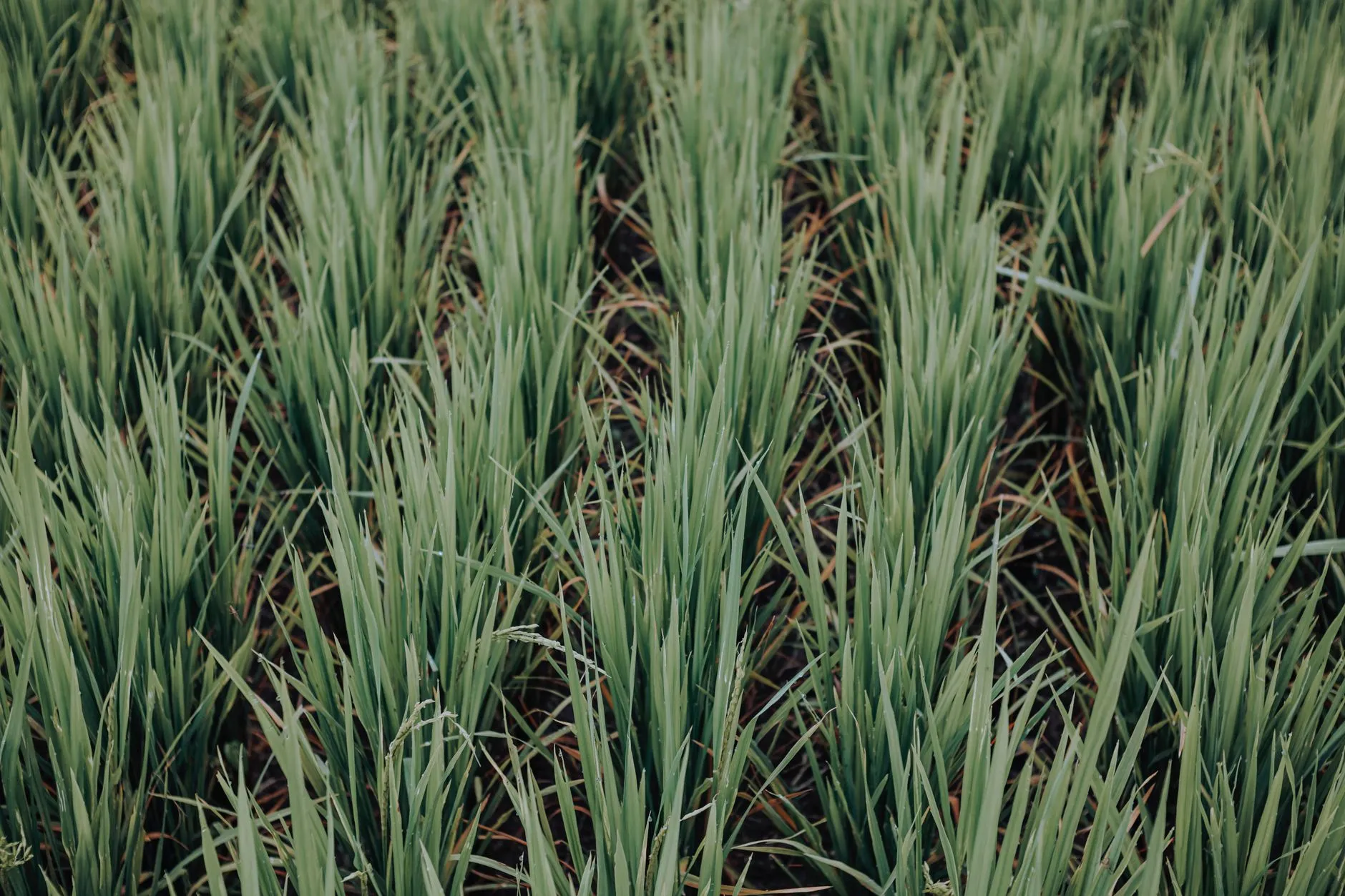
The government has set out plans to nearly triple the amount of farmland in England managed organically over the next ten years. Currently, around 3.4% of agricultural land operates under organic certification. The new Organic Action Plan for England aims to increase that figure to 10% by 2036.
For businesses across food supply chains, this represents a significant shift in domestic production policy. The plan was published by the Department for Environment, Food and Rural Affairs on 14 October 2026, following years of lobbying from environmental groups and farming organisations. It forms part of the government's wider Farming Roadmap 2050, which positions organic agriculture as a tool for improving soil health, biodiversity, water quality and carbon performance.
The strategy is not simply promotional. Reaching the 10% target would require sustained increases in farm conversions, processing capacity and distribution networks. Consequently, it matters to manufacturers, retailers, caterers, public sector buyers and rural businesses who may face new supply opportunities or competitive pressures.
This is also a story about market structure. Annual UK organic food sales have reached more than £3.9 billion, yet domestic production has not kept pace with demand. Much of that gap is filled by imports. The government argues that expanding certified domestic supply will capture more value for English producers while delivering environmental benefits that align with climate and nature recovery goals.
How the plan will be delivered
Defra developed the action plan in partnership with the English Organic Forum, which represents organic sector stakeholders. The two groups will oversee implementation together. Although the plan focuses on England, some initiatives involve partners across the United Kingdom.
The strategy is built around three objectives. First, it seeks to support producers and processors through better access to technical advice, innovation and peer networks. Second, it aims to strengthen domestic supply chains by improving processing, distribution and retail infrastructure. Third, it intends to increase demand through consumer awareness campaigns and expanded public sector procurement.
Each objective addresses a different barrier to growth. Farmers need confidence that conversion will lead to viable markets. Processors and distributors need sufficient volume to justify investment in new facilities. Retailers and caterers need reliable supply. Public institutions need procurement frameworks that allow them to buy organic products without breaching budget or competition rules.
Environment Secretary Dame Angela Eagle said the plan would support "existing and new organic producers and processors" while bringing domestic production closer to consumer demand. She described it as part of the government's commitment to help farmers build "profitable and resilient businesses."
Organic conversion support and farm funding pressures
Farmers converting to organic production face a transition period during which costs may rise and market flexibility often falls before they can sell certified organic products. Therefore, stable funding matters. Since 2024, the Sustainable Farming Incentive has included options for organic conversion and maintenance, providing a route for public support.
However, demand for farm support funding has outstripped supply. The Soil Association reported that the entire £233 million budget available under the 2026 Sustainable Farming Incentive was claimed within six hours of opening. Some farmers were unable to access support as a result.
This raises questions about whether existing budgets can deliver the government's 10% ambition. A substantial increase in organic farmland requires predictable multi-year funding, clear eligibility criteria and sufficient administrative capacity to process applications and provide technical advice. The action plan provides a framework for coordinated delivery, but its credibility depends on future spending decisions and measurable progress against the 2036 target.
Funding pressures are not unique to organic farming, but they are particularly relevant here. Previous government efforts offer a cautionary precedent. An earlier organic action plan was published in 2002, and organic farmland in England reached a peak in 2008. Nevertheless, the longer-term increase was not sustained. That history illustrates both the potential value of policy coordination and the risk of relying on short-term programmes.
Supply chain infrastructure and market leakage
The plan places significant emphasis on strengthening domestic supply chains. This addresses a structural problem that has limited growth in UK organic production for years. Consumer demand can increase without creating sufficient market opportunities for domestic producers if processing, storage and distribution capacity remains concentrated or inadequate.
When retailers cannot source organic products from UK farms, they import instead. This market leakage means that growth in consumer spending does not translate into growth in domestic farm income or rural employment. Expanding certified farmland without addressing infrastructure gaps would therefore risk reproducing the same imbalance.
The government says the plan will improve opportunities in processing, distribution, retail and hospitality. For food businesses, this could mean new supplier relationships, investment in facilities or changes in sourcing strategies. Processors may see increased demand for certified organic lines. Distributors might need to develop cold chain capacity for organic produce. Retailers and caterers could face pressure to stock more domestic organic products as availability improves.
Public sector procurement is also a focus. Schools, hospitals and other institutions could provide a dependable market if procurement rules, budgets and supply contracts are designed to accommodate organic products. Greater visibility in public settings may also help address consumer barriers such as higher prices and limited availability in some communities.
Industry response and environmental expectations
The Soil Association welcomed the plan and described it as a major opportunity for England. It has argued that a 10% organic land target could contribute to national goals for biodiversity, soil health, climate resilience and nature recovery while supporting rural economies.
The organisation also highlighted the need for practical measures beyond the headline target. These include reliable conversion and maintenance support, investment in processing and distribution, better market data on production and trade, greater use of organic food in public procurement, and stronger collaboration between farmers, processors, retailers, caterers and traders.
The plan follows a sustained campaign by environmental and farming organisations. In January 2026, the Soil Association reported that 18 groups had called for a 10% organic farmland target in England and a dedicated action plan. These groups included the RSPB, Wildlife Trusts, Nature Friendly Farming Network and River Action.
Organic farming is often associated with environmental benefits such as reduced reliance on synthetic fertilisers and pesticides, improved soil management and support for biodiversity. These outcomes may help farms cope with drought, flooding, soil degradation and other climate-related pressures. However, organic farming is not automatically synonymous with lower environmental impact in every context. Outcomes depend on crop type, livestock system, yields, land use, transport, inputs and management practices.
Expanding organic agriculture also requires careful planning to ensure that reduced domestic yields do not simply increase reliance on imported food. The government's emphasis on supply chains is therefore significant. Increasing the area certified as organic will have limited impact if farmers cannot find processors, buyers or distribution channels willing to pay for organic production.
Context for food resilience and climate adaptation
The action plan forms part of the government's broader Farming Roadmap 2050, which positions organic production as one response to climate, nature and food resilience challenges. Climate extremes, changing input costs, supply chain disruption and dependence on imports have increased pressure on governments to develop more diverse and resilient domestic food production.
Organic farming does not remove those risks entirely. Nevertheless, the government argues that expanding a certified domestic sector can strengthen farm businesses while delivering environmental benefits. Practices associated with organic systems can reduce exposure to volatile input prices, improve soil structure and water retention, and support pollinator populations and natural pest control.
For businesses, these factors matter in several ways. Manufacturers and retailers face growing scrutiny over supply chain sustainability and environmental impact. Public sector buyers are under pressure to meet net zero and nature recovery commitments. Caterers and hospitality businesses increasingly compete on provenance and ethical sourcing. Consequently, a larger domestic organic sector may create new opportunities for differentiation, compliance and customer engagement.
However, businesses also face practical challenges. Organic products typically command higher prices, which can limit uptake in price-sensitive markets. Supply consistency has been a longstanding issue, particularly for businesses requiring large volumes or year-round availability. Certification and traceability requirements add administrative costs. These barriers will not disappear simply because more farmland converts to organic management.
Key details from the Organic Action Plan for England
- The plan was published on 14 October 2026 by the Department for Environment, Food and Rural Affairs.
- It aims to increase the share of agricultural land managed organically from approximately 3.4% to 10% by 2036.
- Annual UK organic food sales have reached more than £3.9 billion, but domestic production has not kept pace with demand.
- Defra developed the plan with the English Organic Forum, and both groups will jointly oversee delivery.
- The strategy includes measures to support farm conversion, strengthen processing and distribution infrastructure, and increase demand through consumer awareness and public sector procurement.
- The Sustainable Farming Incentive has included options for organic conversion and maintenance since 2024.
- The entire £233 million budget available under the 2026 Sustainable Farming Incentive was claimed within six hours of opening.
What businesses should consider
Implementation will determine whether this plan becomes a lasting shift in agricultural policy or another temporary expansion cycle. For businesses connected to food supply chains, several considerations are worth noting.
First, monitor changes in the proportion of English farmland under organic management and the number of farms entering or leaving organic certification. These indicators will show whether the policy is gaining traction or stalling. Early signals matter because investment decisions in processing, distribution and product development often have long lead times.
Second, assess how the availability of organic conversion and maintenance support evolves. Funding pressures are real, and competition for support is intense. If budgets remain constrained, progress toward the 10% target may slow or stall. Conversely, if the government commits additional resources, conversion rates could accelerate.
Third, watch for growth in domestic processing and distribution capacity. New facilities, certification schemes and logistics networks will signal genuine supply chain development. Without this infrastructure, increased farmland area will not translate into increased product availability for UK buyers.
Fourth, track changes in the proportion of organic food supplied by UK farms rather than imports. This metric reveals whether the plan is achieving its core objective of capturing more value for domestic producers. It also affects procurement strategies for businesses seeking to source locally or meet provenance commitments.
Fifth, pay attention to public sector procurement trends. Schools, hospitals and other institutions represent a large and relatively stable market. If public buyers increase their uptake of organic products, this could create new supply opportunities and influence consumer expectations more broadly.
Finally, consider how this plan intersects with existing sustainability commitments. Many businesses already report on environmental metrics, supply chain ethics or net zero targets. Our ESG compliance and carbon reporting services help companies align these obligations with changing policy landscapes. Similarly, businesses tendering for public sector contracts may need to demonstrate sustainable procurement practices. Our sustainable procurement support can help navigate those requirements as organic and environmental criteria become more prominent.
The 10% objective is ambitious, but the action plan gives government and industry a defined timeline and a framework for coordinated delivery. Its broader importance lies in linking organic farming with food security, environmental recovery and rural economic development. Whether it delivers those outcomes will depend on consistent funding, credible market-building measures and transparent reporting over the next decade.
Where to find further information
The Department for Environment, Food and Rural Affairs published the Organic Action Plan for England on its official website. The department also oversees the Sustainable Farming Incentive and other agri-environment schemes relevant to organic conversion.
The Soil Association provides detailed analysis and guidance on organic farming standards, certification and market development. It has been a leading advocate for the 10% target and continues to track progress against the action plan.
The English Organic Forum, which jointly oversees delivery of the plan with Defra, represents organic sector stakeholders and provides a channel for industry input into implementation.
For businesses interested in how environmental land management schemes interact with organic farming, the government's Farming Roadmap 2050 sets out the wider policy context. It includes commitments on soil health, biodiversity, carbon performance and animal welfare that align with the organic action plan.