
US Data Center Construction Risks Climate Progress
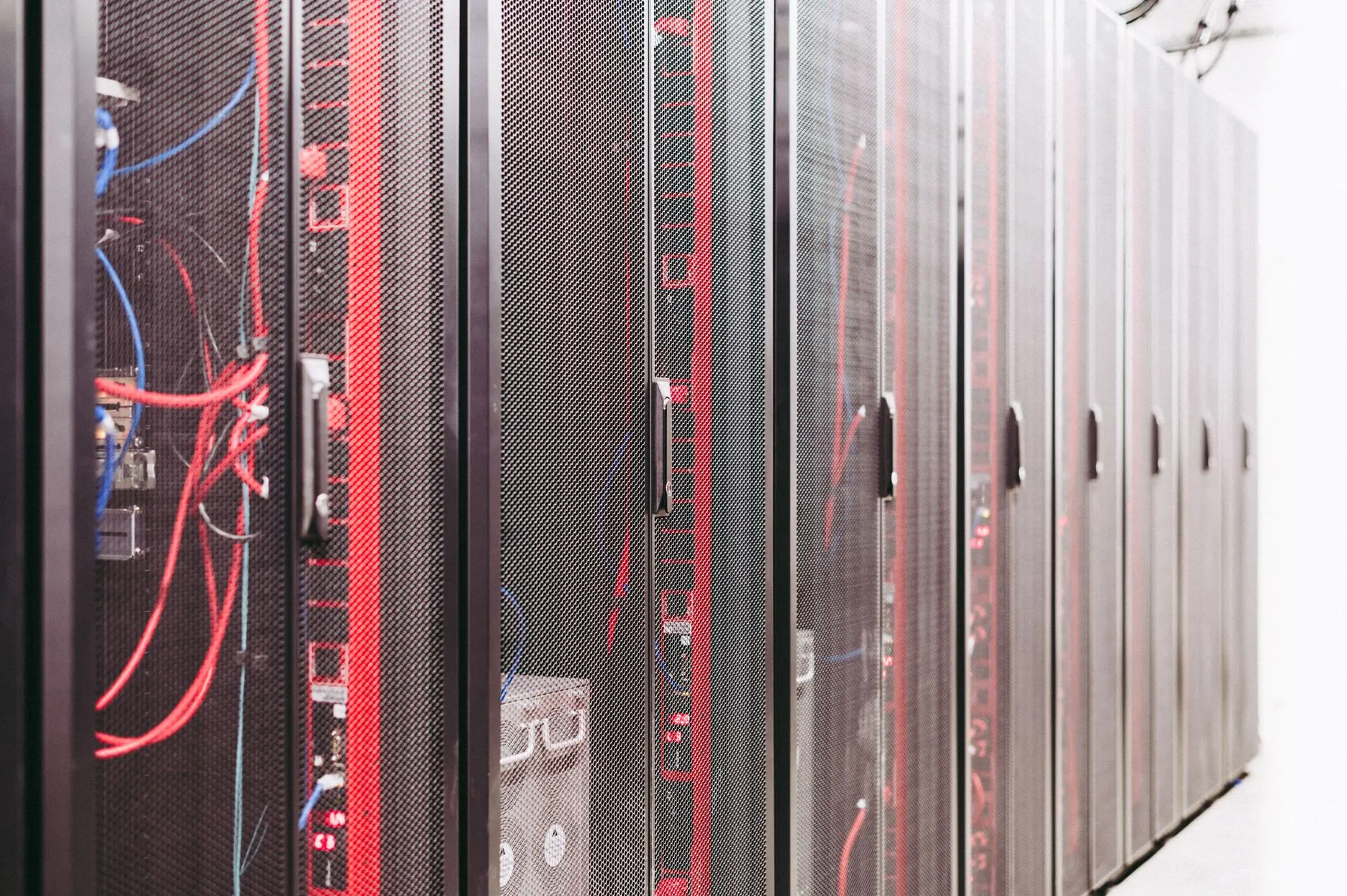
The United States faces a stark choice about how it powers the next wave of computing infrastructure. New analysis suggests that the rush to build data centres for artificial intelligence could push US power sector emissions sharply upwards by the end of the decade, potentially cancelling out years of hard-won progress in cleaning up electricity generation.
The concern centres on how developers plan to supply electricity to these facilities. Many are turning to natural gas because it can be deployed quickly, either through new grid-connected plants or dedicated generators built on site. The speed of construction matters commercially, but the emissions consequences could be severe.
For UK businesses, the findings carry broader relevance. Companies increasingly rely on cloud computing and AI services hosted in overseas data centres. The carbon footprint of those services may be climbing faster than many assume, with implications for Scope 3 emissions accounting and supply chain reporting.
Projected emissions could reach 2.1 billion tonnes by 2030
According to Sierra Club analysis reported by Edie, planned data centre projects could drive US electricity sector carbon dioxide emissions to approximately 2.1 billion metric tonnes in 2030. That figure represents an increase of around 618 million tonnes, or 42%, above 2025 levels.
The scale of the projected rise is substantial. It would effectively reverse roughly 15 years of emissions reductions achieved in the US power sector. For context, the added pollution is comparable to the annual emissions of Mexico, particularly when emissions from dedicated off-grid generators are included.
Jeremy Fisher, a Sierra Club principal adviser on climate and energy, described the estimates as surprising. He noted that the numbers continue to boggle minds, reflecting the speed and scale of the proposed buildout.
The analysis distinguishes between two types of fossil fuel generation. Grid-connected generation adds demand to existing electricity systems, while off-grid generation is built directly for data centre operators. Off-grid facilities may avoid the delays associated with connecting to the public grid, but they could account for the majority of the projected emissions increase.
Specifically, the analysis estimates that off-grid power sources serving data centres could produce more than 460 million tonnes of emissions by 2030. Additional emissions from grid-connected generators alone are estimated at 154 million tonnes, equivalent to about a 10% increase over the 2030 baseline.
Natural gas emerges as the dominant energy source
Data centres require large and continuous supplies of electricity. AI-focused facilities place particularly heavy demands on the grid because they operate energy-intensive computing equipment around the clock. Consequently, developers are seeking power sources that can be deployed quickly and reliably.
Natural gas is emerging as the primary solution. The International Energy Agency reports that natural gas already provides more than 40% of electricity used by data centres in the United States, ahead of renewables, nuclear power and coal.
The IEA projects that US natural gas generation for data centres will expand by more than 130 terawatt-hours annually by 2030. That growth would make gas the largest source of additional electricity supply for data centres in its baseline scenario.
Developers are increasingly seeking dedicated power supplies because connecting large facilities to existing electricity grids can take years. In many cases, that means using new natural gas generation, including generators built specifically for individual data centre campuses. These dedicated units may be deployed faster than grid-connected alternatives, but they often operate less efficiently and emit more carbon per unit of electricity.
The distinction between grid-connected and off-grid generation is commercially important. Off-grid facilities give operators more control over supply and avoid lengthy interconnection queues. However, they also create emissions that may fall outside traditional grid accounting and regulatory oversight.
Global electricity demand from computing is rising sharply
The US data centre expansion forms part of a global increase in electricity demand driven by AI, cloud computing, cryptocurrency mining and digital services. BloombergNEF has warned that global data centre electricity demand could double by 2050, reaching nearly 9% of worldwide power generation.
The Rhodium Group's analysis highlights the uncertainty surrounding future demand. Its high-growth scenario estimates that data centres could consume the equivalent of 14% of total US electricity generation in 2030, compared with 10% in its baseline scenario.
The range of forecasts is wide because the outcome depends on several variables. These include how many proposed data centres are ultimately constructed, whether projects are completed on schedule, and the efficiency of AI chips, servers and cooling systems. The mix of gas, coal, nuclear and renewable power used will also matter, as will the speed at which new transmission and generation capacity can be built.
Whether operators rely on the public grid or dedicated generators will significantly influence the emissions outcome. Dedicated generators may be built faster, but they are often fuelled by natural gas and may not be subject to the same efficiency standards as grid-connected plants.
Other studies point to similar emissions risks
The Sierra Club estimate is not the only assessment warning that AI-related power demand could slow or reverse US emissions reductions. The Union of Concerned Scientists has estimated that fossil fuel-powered data centre electricity could increase US power sector emissions by 19% to 29% by 2035, potentially adding as much as 342 million tonnes of CO₂ annually.
A separate academic study cited by The Verge projected that data centres and cryptocurrency mines could increase power sector emissions by 28% by 2030, compared with a scenario without their growth. These findings suggest a consistent pattern across multiple independent analyses.
At the same time, the International Energy Agency's global outlook is less extreme in its baseline case. It projects that electricity generation for data centres worldwide will rise from 460 terawatt-hours in 2024 to more than 1,000 terawatt-hours in 2030. The associated emissions would peak at roughly 320 million tonnes of CO₂ in 2030, although emissions could be significantly higher in scenarios involving greater fossil fuel dependence.
These differences reflect contrasting geographic scopes, assumptions and definitions. The Sierra Club analysis addresses the prospective US buildout and includes dedicated power sources. In contrast, the IEA assesses global data centre electricity demand under several scenarios. Both approaches offer valuable insights, but the divergence underscores the difficulty of forecasting with precision.
Commercial and compliance implications for UK businesses
UK companies increasingly rely on cloud services and AI tools hosted in overseas data centres. The carbon footprint of those services may be climbing faster than many businesses realise. For companies reporting Scope 3 emissions, this trend presents a growing challenge.
Scope 3 emissions include indirect emissions from purchased goods and services, including cloud computing. If the electricity powering those services comes from new natural gas plants, the associated emissions could be substantial. Companies committed to net zero targets will need to account for this in their carbon reporting and reduction plans.
The issue also affects supplier selection. Businesses may need to ask cloud providers and software vendors how their data centres are powered. Providers using renewable energy or purchasing genuine additional clean power offer a lower-carbon option. Those relying on new gas generation, particularly off-grid units, may contribute significantly to a company's Scope 3 footprint.
For businesses bidding on public sector contracts, this matters. PPN 06/21 requires suppliers to report their carbon footprint and commit to net zero targets. If your cloud services provider is adding to their emissions through gas-powered data centres, that will show up in your reporting. Consequently, it may affect your competitive position in tenders.
The findings also raise questions about the durability of net zero commitments across the technology sector. Many cloud providers have announced ambitious climate targets. However, if they are simultaneously building or contracting for new gas-fired generation, those commitments may be harder to achieve than their marketing suggests.
What the analysis reveals about power sector emissions
- US power sector CO₂ emissions could reach approximately 2.1 billion metric tonnes in 2030 after accounting for planned AI-related projects.
- This represents an increase of around 618 million tonnes, or 42%, compared with 2025 levels.
- Off-grid power sources serving data centres could produce more than 460 million tonnes of emissions by 2030, roughly comparable to Mexico's annual carbon pollution.
- Grid-connected generators could add an estimated 154 million tonnes of additional emissions, equivalent to about a 10% increase over the 2030 baseline.
- The projected increase would effectively reverse roughly 15 years of emissions reductions in the US power sector.
- Natural gas already provides more than 40% of electricity used by data centres in the United States, and this share is expected to grow.
- The Union of Concerned Scientists estimates that fossil fuel-powered data centre electricity could increase US power sector emissions by 19% to 29% by 2035.
Questions raised for policy and procurement decisions
The projections highlight a potential conflict between the economic promise of AI infrastructure and US climate objectives. Data centres can generate investment, construction activity and demand for advanced computing. However, their electricity requirements may also increase dependence on fossil fuels if clean generation and transmission do not expand quickly enough.
The most significant issue is not simply the amount of electricity consumed, but the way new demand is supplied. If data centres are powered primarily by new renewable, nuclear or other low-carbon resources, their emissions could be considerably lower. If operators instead rely on natural gas turbines, particularly inefficient dedicated units, emissions could rise sharply.
For policymakers, the findings raise several questions. Should data centre developers be required to procure additional clean electricity rather than relying on existing low-carbon generation? Who should pay for transmission and generation capacity built to serve large private facilities? How should regulators account for emissions from off-grid generators?
Efficiency standards for AI hardware and data centre cooling systems also warrant attention. If computing equipment becomes more efficient, the electricity demand per unit of processing power could fall. Similarly, improvements in cooling technology could reduce the energy required to keep servers at operating temperature.
The trend could also affect communities beyond the data centre sites. New gas plants and transmission infrastructure may bring local air pollution, water use and land-use impacts. Increased system demand could intensify disputes over electricity prices and responsibility for grid upgrades.
For UK businesses, the key consideration is whether cloud providers and software vendors are genuinely adding new clean power to the grid, or simply shifting existing low-carbon generation away from other users. Genuine additionality means building new renewable capacity specifically to serve the data centre. Without it, the claimed environmental benefits may be overstated.
Our carbon reporting compliance services can help you assess the emissions impact of your IT supply chain and ensure your Scope 3 reporting meets regulatory requirements. Understanding the true carbon footprint of cloud services is becoming essential for procurement decisions and tender competitiveness.
The outcome depends on technology and policy choices
The projected 2.1 billion tonne figure is an estimate rather than a guaranteed outcome. It depends on the completion of planned projects and on the energy technologies ultimately selected. Faster deployment of renewables, storage, nuclear power and transmission could reduce the emissions impact. Conversely, delays or heavier reliance on natural gas could make the projection more likely.
The central warning remains clear. Without a rapid expansion of clean electricity, the US AI boom could undermine years of progress in reducing power sector emissions. The outcome will depend not only on how much computing capacity is built, but also on whether its electricity comes from genuinely additional low-carbon resources or from a new generation of fossil fuel infrastructure.
For businesses managing their carbon footprint, the findings underline the importance of scrutinising supply chains beyond tier one suppliers. Cloud computing and AI services may appear intangible, but their environmental impact is increasingly material. Companies committed to credible net zero targets will need to account for this in their procurement decisions and reporting.
Training on Scope 3 emissions accounting is available through the SBS Academy, covering how to measure and manage indirect emissions from purchased services including cloud computing and digital infrastructure.
Where to find further information
The Sierra Club analysis was reported by Edie, a specialist publication covering environmental business and sustainability issues. The article provides detailed breakdowns of the projected emissions increases and the methodology used to estimate them.
The International Energy Agency publishes regular updates on data centre electricity demand and emissions as part of its global energy outlook. These reports offer valuable context on international trends and the range of possible scenarios depending on policy and technology choices.
For UK businesses concerned about Scope 3 emissions from cloud services, the Department for Energy Security and Net Zero provides guidance on greenhouse gas reporting conversion factors. These resources help companies calculate the carbon footprint of purchased electricity and services.
The Institution of Environmental Management and Assessment (IEMA) offers guidance on getting started with Scope 3 emissions reporting, including how to approach indirect emissions from IT and digital services. This can be particularly useful for businesses new to comprehensive carbon accounting.
For broader context on the relationship between digital infrastructure and climate targets, the UK government's net zero strategy addresses the role of digital technology in both enabling and potentially complicating the transition to a low-carbon economy.