
Vietnam's Cheap Coffee Faces Challenges from EU Sustainability Rules
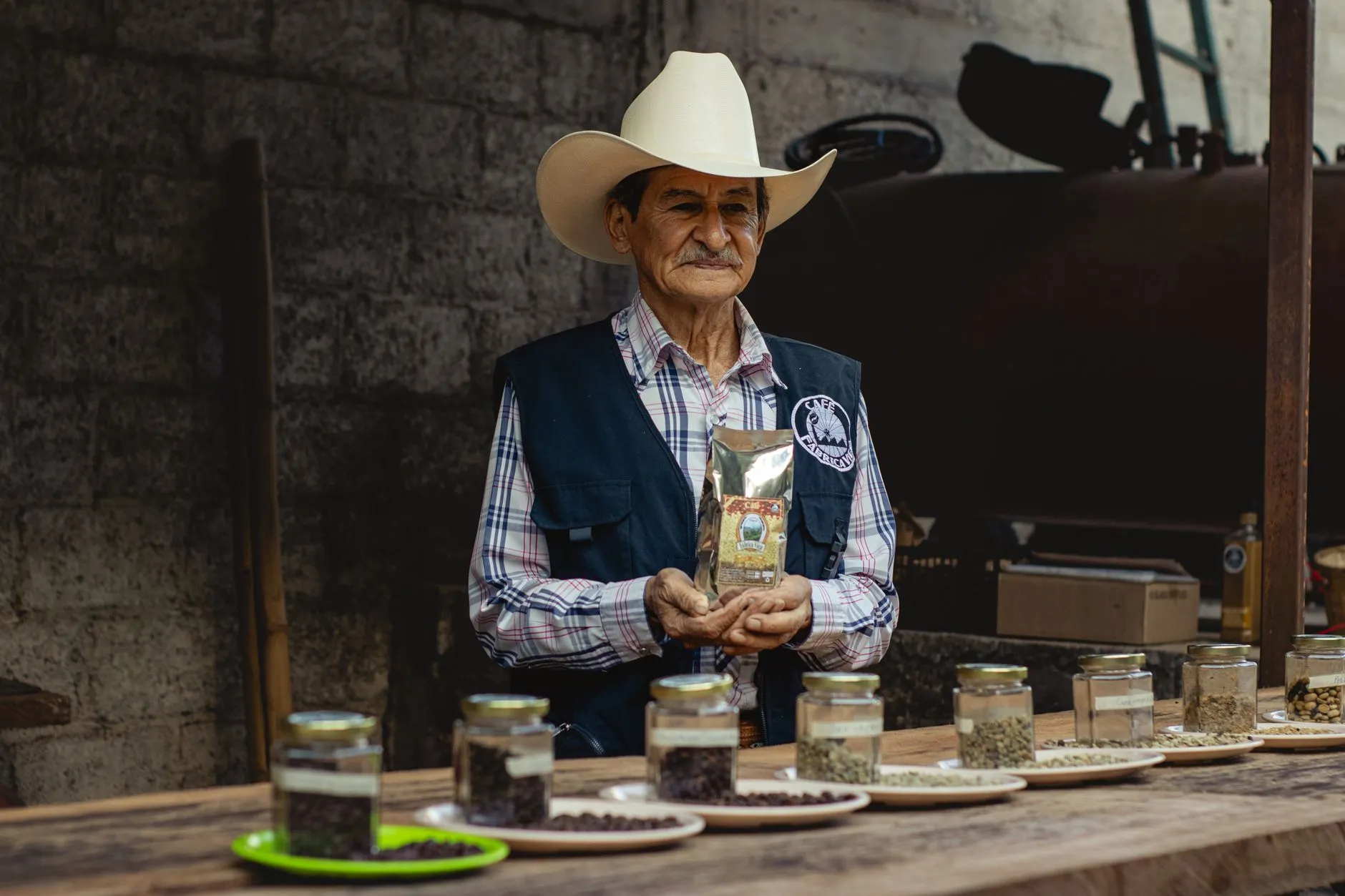
Vietnam produces a huge volume of coffee. It ranks second globally after Brazil and supplies around one fifth of all coffee imported into the European Union. For decades, the country built its export success on low production costs and reliable volumes of robusta beans. That model now faces serious pressure as European buyers prepare for stricter rules on deforestation and supply chain transparency.
In early November, the managing director of Nestlé Vietnam told a business summit in Ho Chi Minh City that cheap coffee would no longer be enough to secure access to European markets. His message was direct. Vietnam needs to move up the value chain and produce coffee that meets high sustainability standards, or risk losing its competitive position in its most important export destination.
This is not a marginal adjustment. The European Union bought nearly half of all Vietnamese coffee exports in the most recent crop year. Furthermore, the rules driving this shift apply across multiple sectors and commodities. Consequently, businesses exporting coffee, timber, rubber or soy to Europe will need to demonstrate where their products came from and how they were produced. For an industry built on fragmented smallholder farms and layers of middlemen, that requirement represents a fundamental challenge.
Vietnam's reliance on European coffee buyers
Vietnam exported over 1.5 million tonnes of coffee in the 2024 to 2025 crop year, ending in September 2025. The total value exceeded $8.4 billion. Europe remained the dominant market throughout this period.
The EU purchased more than 710,000 tonnes of Vietnamese coffee, accounting for 47.2 percent of total export volume. The value of those shipments topped $4 billion. Member states of the European Union alone took 40.1 percent of export volume and 39.4 percent of export value.
Meanwhile, European import statistics show that Vietnam supplied approximately 587,500 tonnes of the 2.9 million tonnes the bloc imported from outside the EU in 2025. That made Vietnam the second largest supplier after Brazil, representing roughly 20 percent of extra-EU coffee imports.
Shipments continued to grow during the first nine months of 2025. Exports to the EU exceeded 516,500 tonnes and were valued at around $2.91 billion. The increase in value was particularly strong, reflecting both higher prices and sustained demand from European roasters and traders.
The EU Deforestation Regulation and what it demands
The European Union adopted the EU Deforestation Regulation, known as EUDR, to prevent commodities linked to forest loss from entering its market. The regulation covers coffee, cocoa, soy, rubber, palm oil, cattle and wood, plus selected derived products.
From December 30, 2026, most large and medium-sized companies must comply with the rules. Most micro and small businesses face a deadline of June 30, 2027, although some smaller firms previously covered by EU timber regulations will need to comply earlier.
To place covered products on the European market, companies must satisfy three core requirements. First, the product must not have caused deforestation or forest degradation after a specified cutoff date. Second, it must comply with all relevant laws in the country where it was produced. Third, companies must complete due diligence procedures and submit detailed information including proof of origin and traceability data.
Vietnam has been classified as a low-risk country under the regulation. This status can simplify due diligence processes and reduce the frequency of checks. Vietnamese officials say only around one percent of shipments may be inspected under the low-risk framework. However, low-risk classification does not remove the obligation to prove compliance. Companies still need to provide verifiable evidence of where their coffee was grown and how.
Traceability challenges in a fragmented supply chain
Vietnamese coffee production is dominated by smallholder farms. The typical structure involves many small plots, multiple intermediaries and limited digital record keeping. This model kept costs down for years, but it makes precise origin tracking difficult.
Farmers often sell to local collectors who aggregate beans from different plots. Those collectors sell to larger traders or processors who may blend beans from various districts. By the time the coffee reaches an exporter, its exact origin can be hard to verify. Proving that none of it came from recently deforested land becomes even harder without detailed geolocation data.
The Vietnamese government has started developing traceability systems to address this gap. Pilot projects in the Central Highlands provinces of Lam Dong and Dak Lak began in early 2024. By July 2026, data had been collected for more than 151,000 hectares of coffee plantations.
In October 2026, authorities introduced version 1.0 of the Vietnam Forest Boundary Map 2020. This mapping tool is designed to help coffee, rubber and timber businesses confirm production locations and demonstrate compliance with EUDR requirements.
These systems could reduce the administrative burden over time. Nevertheless, exporters still face practical obstacles. Farmers may need to record GPS coordinates for their plots, prove legal land use and keep production records separate from uncertified sources. Processors and traders will need to maintain digital documentation and share it with European buyers. All of this requires investment in training, technology and administration.
Pressure to shift from volume to value
The warning from Nestlé Vietnam's managing director reflects more than a compliance issue. It signals a strategic shift away from competing mainly on price and toward quality, processing and sustainability.
Vietnam is best known for robusta coffee, which is used extensively in instant coffee and espresso blends. The country's large production base and competitive costs made it a favoured supplier for international traders and manufacturers. However, selling mostly unprocessed beans means that much of the final value stays with overseas roasters, brand owners and retailers.
The EUDR creates both risks and opportunities in this context. Smaller farms and exporters may struggle to afford the costs of mapping, audits, data systems and sustainability improvements. Businesses unable to provide reliable documentation could face delays, additional verification or loss of access to European buyers altogether.
On the other hand, traceable and responsibly produced coffee may command better prices. It could also support greater investment in processing, specialty products and branded exports. Vietnamese officials have linked the new requirements to opportunities for improving coffee quality, expanding deep processing capacity and retaining more value within the country.
This transition will not happen automatically. It requires coordinated investment in farm-level support, data infrastructure and quality improvement. Without that support, the rules could widen the gap between large exporters with multinational backing and smaller producers who lack access to finance and technology.
Support programs and industry collaboration
Vietnam and the European Union are working together through the SustainCoffee project. This multiyear initiative aims to help the coffee sector meet international environmental, social and governance standards. The project is expected to support more than 400 coffee-related businesses and indirectly benefit around 1.4 million farmers and workers.
Nestlé has promoted sustainability programs in Vietnam for over a decade. Its Nescafé Plan has operated in the country since 2011, focusing on improved farming practices and long-term sector development. The company has also worked with the Western Highlands Agriculture and Forestry Science Institute on coffee plant research.
According to industry reports, Nestlé has produced approximately 100 million disease-resistant coffee plantlets over 15 years. Productivity in supported areas has reportedly reached roughly three times the global average. Higher yields can help offset some of the costs associated with traceability and sustainable production, although productivity gains alone will not satisfy the EUDR's documentation requirements.
These initiatives demonstrate that progress is possible. However, their scale remains limited compared to the size of Vietnam's coffee sector. Extending similar support to hundreds of thousands of smallholders will require significant additional resources and coordination between government, industry and international partners.
Timeline and figures for Vietnamese coffee exports
- Vietnam exported more than 1.5 million tonnes of coffee worth over $8.4 billion in the 2024 to 2025 crop year.
- The European Union purchased more than 710,000 tonnes, representing 47.2 percent of Vietnam's total coffee export volume.
- Vietnam supplied approximately 587,500 tonnes to the EU in 2025, accounting for 20 percent of the bloc's extra-EU coffee imports.
- The EUDR applies to most large and medium-sized companies from December 30, 2026, and to most micro and small enterprises from June 30, 2027.
- Traceability data has been collected for more than 151,000 hectares of coffee plantations as of July 2026.
- The SustainCoffee project aims to support more than 400 businesses and indirectly benefit around 1.4 million farmers and workers.
- Vietnam holds low-risk classification under the EUDR, meaning only around one percent of shipments may be checked under simplified procedures.
Commercial implications for UK businesses buying Vietnamese coffee
If your business imports coffee from Vietnam, you need to prepare for the EUDR requirements well before the compliance deadlines. The regulation applies to anyone placing covered products on the EU market, including UK businesses that trade with the EU or operate under equivalent UK rules if they are introduced.
You will need to collect detailed information from your Vietnamese suppliers. This includes geolocation coordinates for the farms where the coffee was grown, evidence of legal land use and documentation showing the product was not linked to deforestation or forest degradation. Without this data, you may face delays at customs or be unable to demonstrate compliance.
Relying on low-cost suppliers alone may no longer be a viable strategy. If your Vietnamese supplier cannot provide the necessary traceability and compliance documentation, you will need to find alternative sources or invest in helping your current suppliers meet the standards. This could mean higher costs, at least in the short term.
However, the shift toward traceable and sustainable coffee also creates opportunities. Buyers who invest early in building transparent supply chains may gain access to higher-quality products and more stable relationships with certified suppliers. As European and potentially UK regulations tighten, businesses with robust due diligence systems will be better positioned to compete for contracts and meet customer expectations.
For businesses tendering for public sector contracts, sustainability and supply chain transparency are increasingly important criteria. Understanding the EUDR and implementing strong traceability measures could strengthen your position in tenders where environmental and social governance factors carry weight.
UK manufacturers and retailers sourcing coffee for their own products should also consider the reputational risks. Consumers and investors are paying closer attention to sustainability claims. Being able to demonstrate that your coffee supply chain meets high environmental standards can support brand value and customer trust.
What businesses exporting to the EU should consider
If you export commodities covered by the EUDR, you need to start preparing now. The regulation applies across multiple sectors, not just coffee. Timber, rubber, soy, palm oil, cocoa and cattle products are all in scope, along with selected derived goods.
First, map your supply chain. Identify where your products come from and gather geolocation data for production sites. You will need to show that your goods were not produced on land deforested or degraded after the regulation's cutoff date. This requires documentation from your suppliers, which may take time to obtain.
Second, verify legal compliance in the country of production. The EUDR requires that products comply with all relevant laws where they were grown or harvested. This includes land use, labour and environmental regulations. You may need to request certificates, licences or other evidence from your suppliers to demonstrate this.
Third, establish due diligence procedures. This means assessing the risk of non-compliance in your supply chain and taking steps to reduce that risk. If you source from low-risk countries like Vietnam, the process may be simplified, but you still need to complete it and keep records.
Fourth, consider the costs and benefits of investing in traceability and sustainability improvements. Products that meet high standards may command better prices and open up new markets. If you support your suppliers in meeting the EUDR requirements, you could build stronger, longer-term relationships and reduce the risk of supply chain disruption.
Finally, stay informed about implementation details. The European Commission continues to publish guidance and updates on how the regulation will be enforced. Monitoring these developments will help you understand exactly what you need to do and when.
Businesses looking for support with ESG compliance and carbon reporting requirements can access practical guidance on meeting regulatory standards. Similarly, those working with public sector clients may benefit from understanding how sustainable procurement policies affect tender criteria and supplier selection.
Long-term consequences for Vietnam's coffee industry
The immediate risk is clear. Vietnam's lowest-cost coffee may become less competitive if exporters must absorb higher compliance, data management and verification costs. Europe is too important a market to ignore, but meeting the rules could be particularly difficult for smallholders and smaller exporters with limited access to technology and finance.
The longer-term outcome will depend on how the industry responds. If traceability systems work effectively and farmers receive practical support, the EUDR could encourage better land management, improve supply chain transparency and strengthen Vietnam's position as a reliable origin for responsibly produced coffee.
If implementation is uneven, however, the rules could favour large exporters and multinational buyers. Smaller producers might be excluded from premium markets, concentrating the industry and reducing diversity in the supply chain. Vietnam's low-risk classification may ease the process, but it does not remove the need for credible farm-level data.
The core question is not whether Vietnam can continue exporting coffee to Europe. It is what kind of coffee it will export. The country can choose to remain dependent on low-cost bulk shipments, or it can invest in traceability, sustainable farming, processing and quality so that Vietnamese coffee competes on value rather than price alone.
This choice will shape the industry for decades. It will determine which farmers and exporters thrive, which buyers can access European markets and whether Vietnam captures more of the final value in the global coffee supply chain. The EUDR is a catalyst for that decision, but the outcome depends on investment, policy and industry coordination within Vietnam itself.
Where to find official guidance and further information
The European Commission provides detailed information on the EU Deforestation Regulation, including guidance documents, FAQs and updates on implementation timelines. You can access this material on the European Commission's deforestation policy page.
The UK government has not yet introduced equivalent deforestation regulations, but it continues to monitor developments in EU policy. Businesses trading with the EU should review the UK government's guidance on importing and exporting plants and plant products for updates on related requirements.
For businesses seeking to understand broader sustainability compliance obligations, the UK government's due diligence legislation for forest risk commodities provides useful context, although this is currently under development and not yet in force.
Industry bodies such as the International Coffee Organization publish market data and analysis on global coffee trade trends. Their reports can help businesses understand shifting patterns in supply and demand as regulations evolve.