
Weaker EV targets could increase emissions significantly
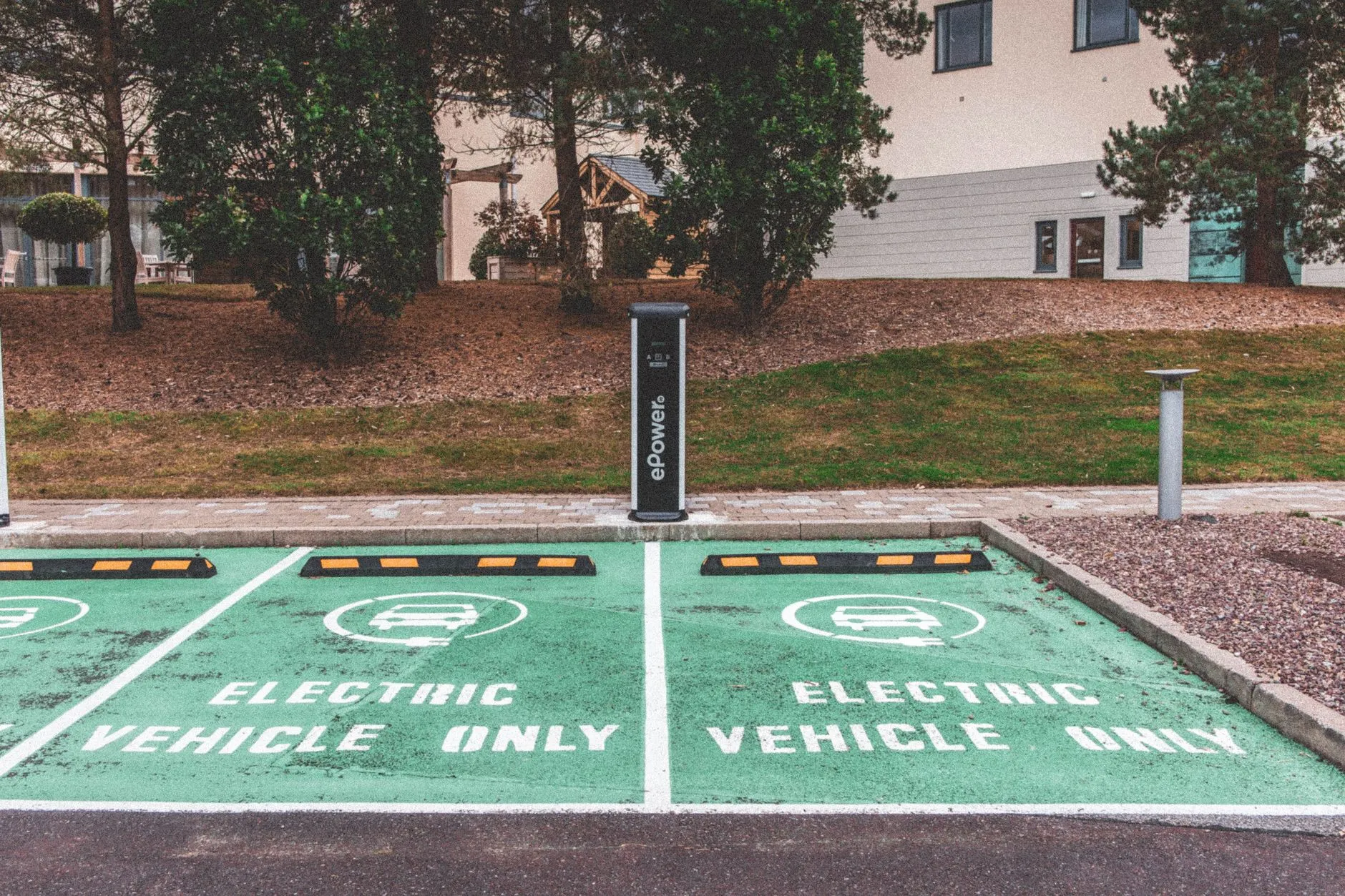
The UK government's review of electric vehicle sales targets could lead to higher transport emissions than originally planned. Analysis from the Energy and Climate Intelligence Unit shows that weakening the 2030 target to 50% could result in 2.6 million fewer electric cars on British roads by 2035. The additional emissions from prolonging petrol and diesel use would equal roughly 58% of the carbon dioxide expected from burning oil extracted at the Rosebank field.
This comparison links two contentious areas of climate policy. On one side sits the phaseout of combustion engine vehicles. On the other stands the development of North Sea oil reserves. Both influence the UK's path toward net zero, yet they operate through different mechanisms and timescales.
The zero-emission vehicle mandate took effect in January 2024. It requires manufacturers to ensure that a growing share of their annual car sales produces no tailpipe emissions. The policy started at 22% and climbs progressively each year. By 2030, the current rules require 80% of new cars to be zero-emission, rising to 100% in 2035.
Van targets follow a similar path but with lower percentages. They reach 70% in 2030 before hitting 100% five years later. Manufacturers can trade credits and use other compliance tools to meet their obligations. However, the Department for Transport opened a consultation in August 2024 asking whether these annual targets should be adjusted.
Pressure from manufacturers prompts policy review
Several options are now under consideration. These include cutting the 2030 car target from 80% to either 70%, 60% or 50%. Another approach would keep the 80% figure but extend compliance flexibilities until 2034. For vans, proposed reductions range from the current 70% down to 60%, 50% or even 40% by 2030.
The government insists it remains committed to ending sales of new petrol and diesel cars in 2030. All new vehicles should produce zero emissions by 2035 under current policy. Nevertheless, the consultation signals potential adjustments to the interim pathway.
Industry representatives have cited weak consumer demand, supply chain disruption and trade uncertainty as reasons for reconsidering the timeline. They argue that the transition requires more breathing room to maintain competitiveness and secure investment. The consultation closed on 23 October 2024 without a final decision being announced at the time the source material was prepared.
Meanwhile, actual market performance shows mixed signals. Government figures from August 2024 indicated that more than one in four new cars sold were electric. Sales had risen 45% compared with July of the previous year. More than 2 million electric vehicles were registered across the UK by that point.
Current sales lag behind headline targets
Battery-electric cars accounted for 27.4% of new registrations in July 2024, according to Reuters. Industry data suggested that when existing flexibilities were factored in, manufacturers were broadly on track for compliance. However, these figures still fell short of the 33% headline target for 2026.
Consumer groups and environmental campaigners argue that weakening targets could reduce pressure on manufacturers to offer competitive electric models. Conversely, industry voices maintain that buyers need stronger incentives, more affordable options and better charging infrastructure before demand will accelerate naturally.
The Energy and Climate Intelligence Unit analysis focuses on what happens if the 2030 target drops to 50%. Under this scenario, approximately 2.6 million fewer electric cars would be on UK roads by 2035 compared with the existing policy trajectory. Those missing vehicles would be replaced by petrol and diesel models that burn fossil fuels throughout their operational lives.
Consequently, transport emissions would be higher. The additional carbon dioxide released was compared with the emissions expected from burning oil produced at Rosebank. Specifically, the analysis suggests the extra transport emissions would equal about 58% of the total carbon dioxide generated when Rosebank's oil is ultimately consumed.
Operational emissions dwarf extraction impacts at Rosebank
This comparison concerns combustion emissions rather than extraction emissions. The distinction matters because fossil fuel projects are typically assessed in two stages. Production emissions cover the energy and processes used to extract and transport the resource. Operational emissions measure the carbon dioxide released when that fuel is finally burned.
For oil fields, operational emissions are substantially larger. Estimates place the total emissions from burning Rosebank's oil above 200 million tonnes of carbon dioxide. By contrast, production emissions from the field itself are considerably lower.
Equinor and Shell are developing Rosebank west of Shetland through their North Sea joint venture. The operators report that production intensity sits around 12 kilograms of carbon dioxide per barrel. This compares with roughly 20 kilograms per barrel for the regional average. Electrification using power from shore could cut production emissions by more than 70%, although this depends on technology deployment and regulatory approval.
Those improvements would not eliminate the much larger emissions released when the oil reaches consumers and is burned in vehicles, heating systems or industrial processes. Therefore, the debate over Rosebank increasingly focuses on combustion rather than extraction.
Supporters of the project argue it contributes to domestic energy security and sustains supply chain activity in Scotland. Critics counter that new oil production conflicts with climate commitments, particularly because most emissions occur downstream. Environmental groups also question whether Rosebank would materially reduce household energy costs, given that oil trades on global markets.
Legal challenges and political controversy surround the field
Rosebank has faced legal and political opposition. Climate campaigners challenged its approval, arguing that the government failed to properly account for combustion emissions. The comparison with electric vehicle targets adds another dimension. Emissions avoided through faster transport electrification could match a substantial portion of those generated by a new oil field.
The Energy and Climate Intelligence Unit does not claim that reducing EV targets and developing Rosebank are identical decisions. They involve different sources, timescales and emission types. Instead, the comparison illustrates the cumulative impact of transport policy across millions of vehicles over time.
A decision that seems incremental in any single year can produce a large emissions gap when applied to the entire vehicle fleet. This exposes a tension in UK climate policy. The government aims to retain its 2030 phaseout of new petrol and diesel cars while considering a less demanding interim pathway. If consumers and manufacturers delay the transition in response, the UK could lose emissions reductions that are difficult to recover later.
Weaker targets might offer manufacturers short-term flexibility, particularly those struggling to increase electric vehicle supply. More hybrid vehicles could be sold during the transition period. However, this approach carries several risks.
Slower electrification increases costs and emissions
Transport emissions would remain higher because combustion engine cars stay on the road longer. Households would face greater exposure to volatile petrol and diesel prices. Development of the UK electric vehicle supply chain and charging network could slow. Buyers might have less choice of affordable electric models if manufacturers face weaker incentives to expand their ranges. Meeting carbon budgets and transport decarbonisation goals would become more difficult.
The government's consultation materials reportedly included scenarios showing how weaker targets would reduce expected emissions savings during the sixth carbon budget period. One illustrative scenario estimated average annual savings of 8.4 million tonnes of carbon dioxide equivalent. Different policy pathways would therefore produce materially different climate outcomes.
Financial effects could also be significant. Analysis from Carbon Brief suggests that weaker targets could cost consumers billions of pounds annually in additional petrol spending by 2030. Drivers would continue using fossil fuel vehicles for longer, maintaining demand for petroleum products.
For the automotive industry, the central question is whether a softer mandate provides necessary breathing space or undermines investment certainty. Manufacturers need to plan production facilities, supply chains and model ranges years in advance. Frequent policy changes can disrupt those plans regardless of the direction of travel.
For climate policy, the issue is whether maintaining the long-term endpoint suffices if near-term targets are weakened. The UK has committed to reducing emissions across the economy. Transport represents a significant share of those emissions and has historically been one of the harder sectors to decarbonise.
Policy decisions affect cumulative emissions over decades
Electric vehicles offer a pathway to deep emissions cuts, particularly as the electricity grid becomes cleaner. However, the benefits accumulate over time. Cars sold in 2028 or 2029 will remain on the road into the 2040s. If those vehicles burn petrol or diesel rather than run on electricity, their cumulative emissions add up over their entire operational life.
The comparison with Rosebank therefore highlights the scale of emissions at stake. A new oil field represents one type of policy decision. The speed of transport electrification represents another. Both influence the UK's overall emissions trajectory and its ability to meet climate objectives.
The Energy and Climate Intelligence Unit analysis suggests that decisions in either area could materially affect progress toward net zero. Avoiding emissions through faster vehicle electrification could offset a substantial portion of those generated by new fossil fuel extraction.
This creates a strategic question for policymakers. The UK government is simultaneously reviewing electric vehicle targets and approving new oil and gas developments. These decisions are not coordinated through a single framework, yet they interact in determining the country's emissions path.
Key points on electric vehicle targets and emissions
- Reducing the 2030 zero-emission car target to 50% could result in 2.6 million fewer electric vehicles on UK roads by 2035.
- Additional emissions from prolonged petrol and diesel use would equal approximately 58% of the carbon dioxide expected from burning Rosebank's oil.
- The current zero-emission vehicle mandate requires 80% of new car sales to be electric by 2030, rising to 100% in 2035.
- More than 2 million electric vehicles were registered in the UK by August 2024, with sales growing 45% year-on-year.
- Weaker targets could reduce emissions savings by an estimated 8.4 million tonnes of carbon dioxide equivalent annually during the sixth carbon budget period.
- Consumers could face billions of pounds in additional petrol costs by 2030 if the transition to electric vehicles slows.
- Rosebank's operational emissions from burning extracted oil far exceed its production emissions, making combustion the primary climate concern.
Planning for compliance and carbon reduction
Businesses operating vehicle fleets need clarity on the policy direction. Fleet replacement cycles typically run for three to five years. Companies planning those cycles in 2024 or 2025 must decide whether to commit to electric vehicles or retain flexibility for hybrid and combustion options.
If targets are weakened, the short-term business case for delaying electric vehicle adoption might strengthen. However, longer-term considerations remain. Fuel costs, maintenance requirements and residual values all favour electric vehicles over their operational lives. Companies that delay electrification could face higher running costs and regulatory risks if policy tightens again.
Supply chain considerations also matter. Businesses that depend on public sector contracts increasingly face carbon reporting requirements and sustainability criteria in tender processes. Demonstrating progress on transport decarbonisation can influence contract awards, particularly under frameworks like Procurement Policy Note 06/21.
The review of electric vehicle targets therefore affects more than vehicle sales. It influences business planning, investment decisions and supply chain positioning. Companies that anticipate the direction of policy can gain competitive advantages. Those that wait for certainty may find themselves behind competitors who moved earlier.
From a climate perspective, the cumulative effect of delaying action extends beyond the immediate period. Electric vehicles become cleaner as the grid decarbonises. A car purchased in 2028 will operate on a progressively lower-carbon electricity mix throughout its life. Conversely, a petrol car bought in the same year will emit carbon dioxide from fossil fuel combustion until it is scrapped, regardless of improvements in grid intensity.
This dynamic means that early action delivers compounding benefits. Emissions avoided in the late 2020s and early 2030s contribute to meeting carbon budgets that are already challenging. Delays create a burden that must be offset elsewhere in the economy or accepted as a shortfall against targets.
For small and medium businesses, the immediate concern is often cost. Electric vehicles typically have higher upfront prices but lower running costs. Incentives, grants and tax treatments influence the overall business case. If policy uncertainty increases, businesses may struggle to secure board approval for electric vehicle investments, particularly if competing options appear safer in the short term.
Charging infrastructure also influences decisions. Businesses with depot-based fleets can install dedicated charging points, often at lower cost than public charging. Those relying on public networks face more variable costs and availability. Infrastructure deployment depends partly on demand signals from vehicle sales, creating a feedback loop that could slow or accelerate depending on policy direction.
Authoritative guidance and policy documents
The Department for Transport published details of the zero-emission vehicle mandate on the gov.uk website. Businesses can review the consultation documents to understand the options under consideration and the government's assessment of their impacts.
The Energy and Climate Intelligence Unit provides analysis and briefings on UK energy and climate policy. Their reports examine the interactions between different policy areas and the emissions implications of various scenarios.
Carbon reporting requirements for suppliers to central government are set out in Procurement Policy Note 06/21, which businesses can access through official government channels. This outlines the carbon reduction plans required for major contracts and provides context for how transport emissions fit into broader corporate carbon footprints.
The Climate Change Committee publishes assessments of the UK's progress toward emissions targets, including detailed analysis of the transport sector. Their reports provide independent evaluation of policy effectiveness and highlight areas where current measures may fall short of stated objectives. Businesses seeking to understand the regulatory trajectory can use these assessments to inform planning decisions.
Industry bodies including the Society of Motor Manufacturers and Traders publish regular data on vehicle registrations and market trends. This information helps businesses benchmark their decisions against wider market movements and understand whether their planning assumptions align with observed patterns.
For businesses seeking support with carbon reporting, fleet planning and compliance with emerging sustainability requirements, specialist advisory services can provide tailored guidance based on company size, sector and operational profile. Understanding how transport emissions integrate with broader carbon reduction plans is essential for businesses facing tender requirements or stakeholder expectations around climate performance.