
Government announces England’s first Wildfire Action Plan
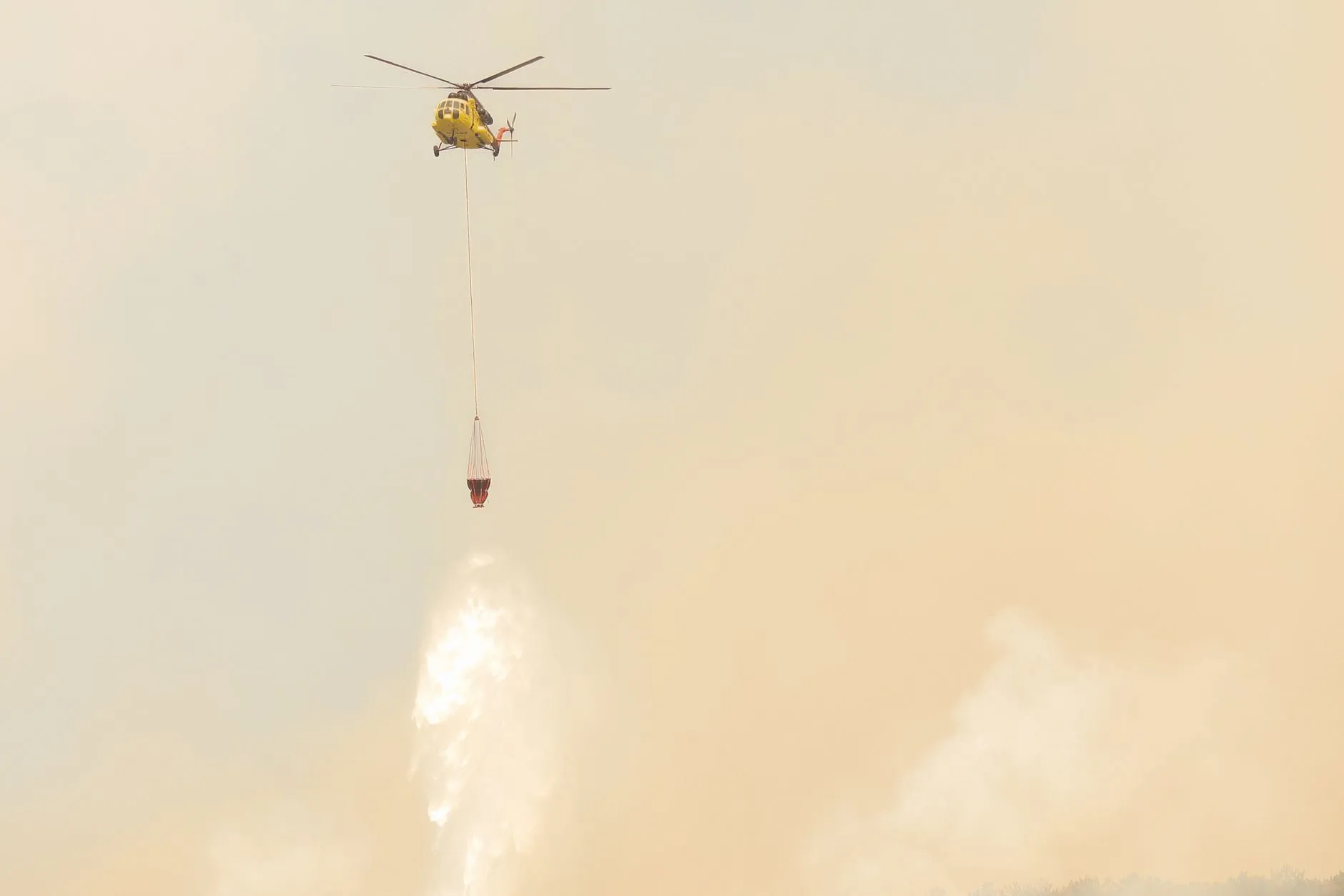
The government has committed to creating England's first Wildfire Action Plan after what officials describe as one of the most severe fire seasons the country has experienced. The plan forms part of a wider package that includes military aerial support, specialist equipment for firefighters, and funding for peatland restoration.
England's first Wildfire Resilience Summit brought together ministers, fire chiefs, local authorities, land managers and technology firms to examine how the country can prevent, detect and respond to wildfires. The summit followed a summer of record heat and drought that left vegetation across parks, moorland and farmland vulnerable to ignition.
For businesses, particularly those operating in rural areas or managing land, the changes signal a shift in how wildfire risk is managed. Consequently, companies with outdoor operations, supply chains dependent on agriculture, or property in high-risk areas will need to consider how these policies affect their continuity planning and compliance obligations.
Military aircraft to support firefighting operations
RAF Chinook helicopters and A400M aircraft will be permanently equipped to support wildfire suppression. This creates the UK's first standing military aerial firefighting capability. The aircraft can assist ground crews in remote terrain where conventional fire engines cannot easily operate.
The Environment, Food and Rural Affairs Committee previously warned that the existing system for obtaining aerial support was no longer fit for purpose. Therefore, the new arrangement addresses a gap that became apparent during recent large-scale incidents. MPs called for detailed implementation plans to be ready before the 2027 wildfire season.
The measure responds to operational challenges faced during prolonged incidents. Access to water supplies, difficult terrain and rapid fire spread have all tested existing resources. As a result, aerial support will form part of a coordinated national response rather than being arranged on an ad-hoc basis.
Specialist equipment and deployable firefighting teams
The government has allocated up to £45 million for wildfire-specific personal protective equipment. The new kit is designed to be lighter and more breathable than standard gear intended for structural fires. This allows firefighters to work for longer periods during outdoor incidents in hot conditions.
In addition, the package includes funding for specialist wildfire teams. A pilot scheme involving six deployable teams has been highlighted as part of efforts to position trained personnel in key areas. These teams can respond rapidly to major incidents across England.
The investment follows an earlier announcement in June that included an overhaul of fire and rescue assets worth almost £100 million. Together, the measures reflect recognition that wildfire response requires different equipment and tactics compared to urban firefighting.
Peatland restoration receives £25 million funding commitment
A further £25 million will support the restoration of dried-out peatlands in England between April 2027 and April 2029. Re-wetted peatlands retain more water and can reduce the spread of fire by acting as natural firebreaks.
The policy links wildfire prevention with environmental objectives including habitat restoration and climate resilience. Healthy peatlands also store carbon, whereas dried peat can ignite easily and burn intensely. Therefore, restoration projects serve multiple purposes beyond fire prevention alone.
However, delivery will depend on coordination across fragmented land ownership. Funding must reach high-risk areas before the next severe fire season if restoration work is to reduce fire risk effectively. The timeline suggests projects need to begin soon to be operational before summer 2027.
Financial support for farmers in high-risk areas
Farmers operating in areas prone to wildfire are expected to receive financial support for prevention measures. Eligible activities may include digging ponds, removing combustible vegetation and clearing burnable materials from vulnerable land.
The government is also considering tougher local restrictions or product bans during periods of elevated fire risk. Possible measures include restrictions on items that can accidentally ignite vegetation, such as disposable barbecues. Such restrictions would affect businesses selling outdoor leisure products as well as hospitality venues.
For agricultural businesses, the proposals represent both an opportunity and a potential compliance burden. Support for prevention measures could reduce the risk of fires damaging crops, livestock or infrastructure. Nevertheless, businesses will need to understand what restrictions apply during high-risk periods and how these affect their operations.
Artificial intelligence unit to improve detection and forecasting
A proposed Wildfires AI Unit will bring together universities, technology companies and emergency planning officials. The unit aims to improve the speed of wildfire detection and response through better data analysis and monitoring systems.
The government also plans to work with the Met Office to strengthen wildfire forecasting and public warnings. Improved forecasting could give businesses and land managers more notice of high-risk conditions. This allows time to implement preventive measures or adjust operations accordingly.
For businesses with outdoor assets or supply chains dependent on weather-sensitive sectors, better forecasting means better planning. Early warnings can inform decisions about staffing, stock management, site access and insurance considerations. Specifically, companies can use improved forecasts to protect property and reduce disruption during periods of extreme fire danger.
Parliament demands action plan by end of 2026
The Environment, Food and Rural Affairs Committee called for the Wildfire Action Plan to be completed and published by the end of 2026. The committee said the document should specify actions required before the 2027 wildfire season. It should also identify which departments are responsible for delivery and explain how progress will be monitored.
MPs described wildfires as a "new reality" rather than isolated events. Their review identified weaknesses in national resilience including limited access to aerial firefighting, difficulties securing water supplies during major incidents, and insufficient national coordination. The committee's recommendations reflect concern that previous responses have been reactive rather than strategically coordinated.
The summit is also expected to consider how England's approach can connect with wildfire planning in Scotland, Wales and Northern Ireland. MPs said the event should become the starting point for a genuinely UK-wide approach to wildfire resilience. Cross-border coordination matters because fire does not respect administrative boundaries.
What the changes mean for businesses and land managers
The proposals represent a shift from treating wildfires mainly as local fire-and-rescue incidents toward managing them as a national resilience issue. This shift reflects the combination of hotter summers, prolonged drought and increasingly dry vegetation. These conditions can create rapid fire spread across rural and peri-urban areas.
For businesses, this means wildfire risk is becoming a mainstream continuity consideration. Companies with property in rural areas need to assess their exposure. Those managing land must consider how prevention measures fit into their operations. Businesses dependent on agricultural supply chains should understand how wildfire events could disrupt production or logistics.
Insurance is another consideration. Insurers are paying closer attention to climate-related risks. Businesses that demonstrate wildfire preparedness through risk assessments, prevention measures and continuity plans may find it easier to secure cover. Conversely, companies in high-risk areas without adequate planning may face higher premiums or exclusions.
Public sector suppliers should note that environmental resilience is increasingly relevant to procurement decisions. Our sustainable procurement support helps businesses understand how climate adaptation fits into tender requirements. Demonstrating that your business has considered wildfire risk could strengthen your position in competitive bids.
Land managers will need to engage with the new framework actively. Financial support for prevention measures offers an opportunity to reduce risk while improving land health. However, businesses should also prepare for possible restrictions during high-risk periods. Understanding what local authorities can require during fire danger warnings will help you plan operations accordingly.
Prevention funding depends on effective delivery
The effectiveness of the measures will depend on delivery across fragmented land ownership and on whether funding reaches high-risk areas before the next severe fire season. Prevention is a particularly significant part of the package. Re-wetting peatlands, creating water supplies and reducing combustible material could lower the likelihood that fires become large-scale emergencies.
Nevertheless, the proposed action plan will be judged not only by its publication but by whether it sets clear responsibilities, deadlines and measurable outcomes. The parliamentary committee's demand for departmental accountability and progress monitoring reflects concern about past gaps in coordination.
Businesses should watch for publication of the action plan in 2026. The document will clarify what support is available, what restrictions may apply, and what responsibilities fall to land managers and property owners. Early engagement with the framework will give businesses time to adjust operations and access any available funding.
How the package addresses identified gaps
The measures acknowledge that wildfire resilience depends on more than the number of firefighters available on the ground. Access to aircraft, water supplies, land management, forecasting, public behaviour and national coordination all determine how quickly a fire is contained. Recent incidents demonstrated that these elements were not always in place when needed.
For example, water supplies proved difficult to secure during some major incidents. Aerial support was not always available quickly. Coordination between agencies was sometimes unclear. The new framework attempts to address these issues before the next severe season rather than responding after the fact.
The government's central challenge is to ensure that new arrangements are operational before extreme heat and drought create the next major wave of fires. As the scale of recent incidents has shown, preparedness cannot begin once flames are already threatening communities. Businesses face a similar challenge in ensuring their own resilience measures are in place ahead of time.
Key points for businesses to note
- England's first dedicated Wildfire Action Plan is being developed, with MPs calling for publication by the end of 2026.
- RAF Chinook helicopters and A400M aircraft will be permanently equipped to support wildfire suppression in difficult terrain.
- Up to £45 million has been allocated for specialist wildfire personal protective equipment, designed to allow firefighters to work longer in outdoor conditions.
- £25 million is planned for peatland restoration in England between April 2027 and April 2029, linking fire prevention with environmental objectives.
- Farmers in high-risk areas are expected to receive financial support for prevention measures such as digging ponds and removing combustible vegetation.
- A proposed Wildfires AI Unit will work to improve detection and response times through better data analysis and monitoring.
- Ministers are considering tougher local restrictions or product bans during periods of elevated fire risk, which could affect outdoor leisure and hospitality businesses.
- The summit aims to establish a UK-wide approach to wildfire resilience, recognising that fire does not respect administrative boundaries.
Preparing your business for the new framework
Businesses should start by assessing their exposure to wildfire risk. This includes property location, supply chain dependencies and operational vulnerabilities. A simple risk assessment can identify where your business might be affected and what steps you can take to reduce that risk.
Consider whether your continuity plans address wildfire scenarios. Many businesses have plans for flooding or severe weather but have not considered wildfire. Review your insurance cover to understand what is included and whether your insurer expects specific risk management measures. Early action may prevent coverage gaps or unexpected premium increases.
If you manage land, engage with the financial support schemes as they become available. Prevention measures funded through government programmes can reduce your risk while improving land health. Understanding eligibility criteria and application processes early will help you access funding efficiently.
Businesses in sectors affected by potential restrictions, such as outdoor leisure or hospitality, should monitor how local authorities implement fire danger warnings. Knowing what restrictions might apply during high-risk periods allows you to plan alternative offerings or adjust operations in advance. This reduces disruption and maintains customer trust.
Our compliance support services help businesses understand how evolving environmental regulations affect their operations. As the Wildfire Action Plan develops, we can assist you in interpreting new requirements and integrating them into your existing compliance framework. Early preparation is more effective than reactive adjustment.
Next steps and publication timeline
The Wildfire Resilience Summit is intended to establish priorities for prevention, response and recovery. The next major test will be translating the announcements into an operational plan before the 2027 wildfire season. That will require coordination between central government, fire and rescue services, local authorities, farmers, land managers, environmental organisations, the Met Office and the armed forces.
It will also require decisions on contentious measures such as disposable-barbecue restrictions and the circumstances in which military aircraft can be deployed. Businesses should expect further consultation and guidance as the framework takes shape. Engaging with consultations allows you to influence how measures are implemented and ensures your sector's needs are considered.
Watch for publication of the action plan in 2026. The document should clarify departmental responsibilities, set out delivery timelines and explain how progress will be monitored. This information will help businesses understand what to expect and when.
In the meantime, consider how climate adaptation fits into your broader sustainability strategy. Our net-zero programme helps businesses integrate climate resilience with carbon reduction and regulatory compliance. Wildfire risk is one element of a changing climate that affects business planning across multiple areas.
Where to find further information
The Department for Environment, Food and Rural Affairs provides updates on wildfire policy and resilience measures. Visit the Defra website for official announcements and guidance documents as they become available.
The Environment, Food and Rural Affairs Committee published a detailed report on wildfire resilience, including recommendations for the action plan. You can read the committee's findings at the parliamentary committee publications page.
The Met Office offers wildfire forecasting and fire severity index information. Understanding these forecasts can help businesses plan for high-risk periods. Access forecasting resources through the Met Office website.
Local fire and rescue services provide guidance on wildfire prevention for businesses and land managers. Contact your local service for area-specific advice and support. Many services offer free risk assessments for businesses in vulnerable locations.
The National Fire Chiefs Council coordinates guidance for fire and rescue services across the UK. Their publications include wildfire response protocols and prevention advice. Find resources at the National Fire Chiefs Council website.