
Wildlife Trusts Acquire Rothbury Estate for Biodiversity
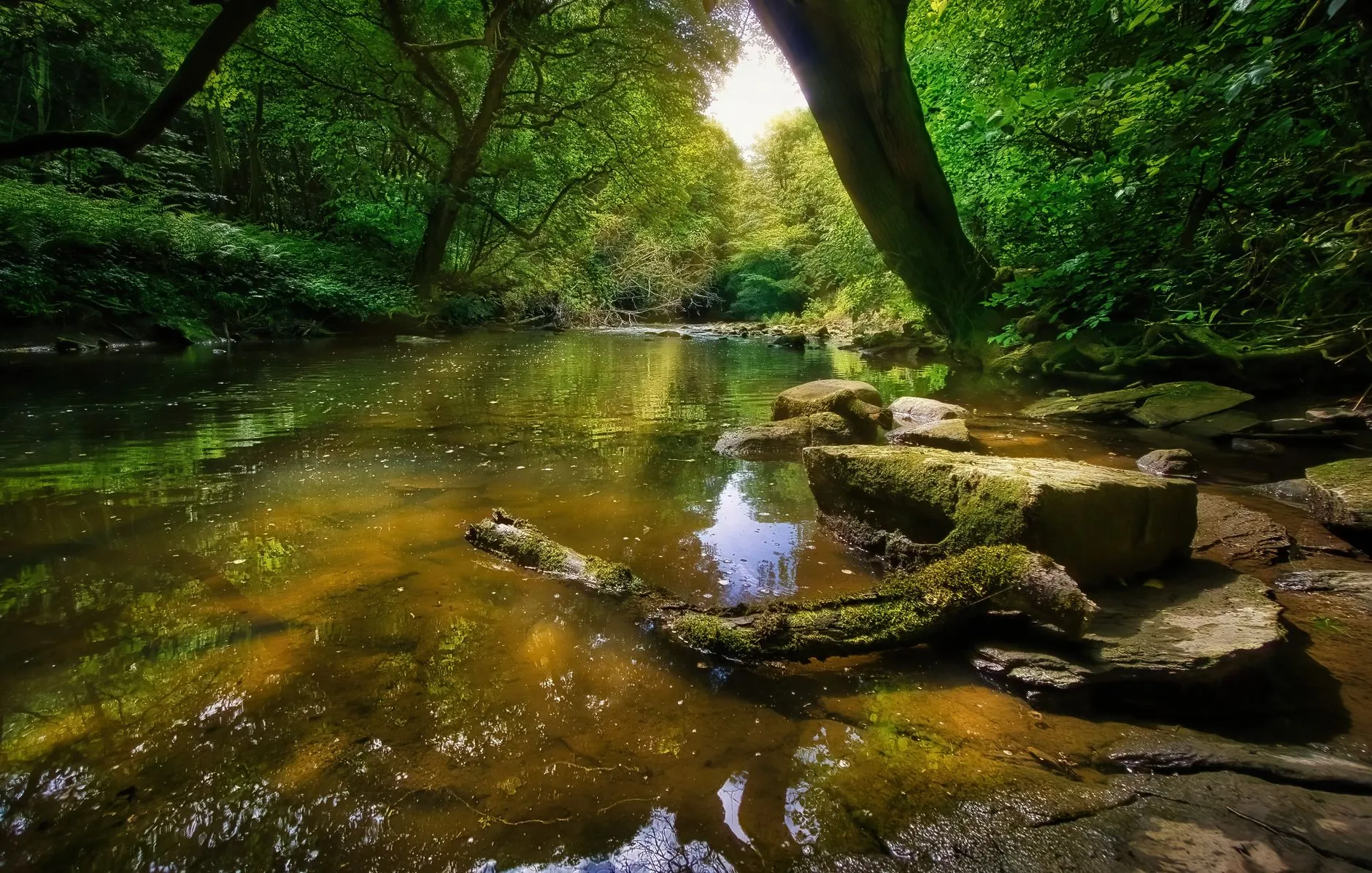
A conservation coalition has completed the purchase of one of northern England's largest private estates after raising £30 million in two years. The Wildlife Trusts and Northumberland Wildlife Trust now control the entire 9,500-acre Rothbury Estate, securing a sweep of moorland, peatland, woodland and working farmland that will be managed for habitat restoration and nature recovery.
The estate sits in central Northumberland and includes the Simonside Hills. More than 25,000 people contributed to the appeal. Consequently, the purchase represents one of the most significant conservation land acquisitions in England for decades.
For UK businesses tracking nature-related commitments, procurement requirements and biodiversity net gain obligations, the Rothbury project demonstrates how large-scale habitat restoration is moving from policy ambition to physical reality. As regulatory expectations around natural capital and nature-positive supply chains grow, understanding how major conservation projects are funded and delivered becomes commercially relevant.
How the estate came to market
Lord Max Percy, youngest son of the Duke of Northumberland, put the Rothbury Estate up for sale in 2023. The property spans approximately 3,800 hectares and was described as the largest single land offering in England for around 30 years.
The estate includes 23 properties and 12 working farms. Its size raised immediate concerns among conservation groups. Specifically, there was a risk the land could be split among multiple buyers, making coordinated habitat management far harder to deliver.
The Wildlife Trusts and Northumberland Wildlife Trust began acquiring sections in October 2024. Meanwhile, they launched a public appeal to raise the remaining funds needed to buy the whole estate and keep it under unified ownership.
Public donations and government funding close the gap
The campaign drew on several funding streams. Public donations exceeded £17 million. The National Lottery Heritage Fund contributed a £5 million grant, alongside an earlier £250,000 award for ecological surveys and community consultation.
The UK government pledged £1.94 million through the Department for Environment, Food and Rural Affairs. That commitment was announced during the COP17 biodiversity conference in Armenia and arrived as the appeal neared its deadline.
Local groups also played a role. Rothbury Women's Institute and the Cycling Cranks club were among community organisations that raised funds. Sir David Attenborough's public endorsement reportedly generated more than £1 million in additional donations within a week.
The charities used a low-interest bridging loan to cover timing gaps between pledged funds and money received. The purchase completed once the £30 million target was reached.
What the estate will be used for
The organisations plan to manage Rothbury as a nature recovery project rather than a conventional public reserve. Planned work includes peatland restoration, woodland and river habitat improvement, and support for nature-friendly farming practices.
Surveys will map the estate's wildlife, landscapes and historic features. The charities intend to work with existing tenants, farmers, local businesses and residents. Access for visitors will expand, though sensitive habitats and archaeological sites will need protection.
The estate's habitats range from upland moor and peatland to farmland and river systems. This variety allows for connected habitat management across both upland and lowland areas, rather than isolated pockets of conservation.
Longer-term possibilities include species reintroductions such as beavers, bison or golden eagles. However, these remain potential future projects and are not part of the immediate management programme.
The Wildlife Trusts have also outlined a broader ambition. They hope Rothbury could form part of a nature-recovery corridor linking the Northumberland coast with Kielder Forest near the Scottish border. This proposed route could stretch approximately 40 miles.
Commercial and regulatory context for nature investment
The Rothbury purchase takes place against a backdrop of rising regulatory and commercial pressure on UK businesses to demonstrate measurable nature-positive outcomes. Several developments are converging to make biodiversity and natural capital material business issues.
Biodiversity net gain became mandatory for most new developments in England in February 2024. Developers must now deliver a 10% net increase in biodiversity, either on site or through statutory credits. This creates demand for habitat restoration projects and off-site biodiversity units.
Public sector procurement is also shifting. PPN 06/21 requires suppliers bidding for central government contracts above £5 million to publish a carbon reduction plan. Furthermore, the Social Value Model used in public tenders increasingly includes environmental and nature-related criteria.
Corporate sustainability reporting requirements are tightening. The new Sustainability Disclosure Requirements under UK company law apply to qualifying businesses from 2024. These rules require disclosure of nature-related risks and impacts, aligned with frameworks such as the Taskforce on Nature-related Financial Disclosures.
Supply chain expectations are changing in parallel. Large buyers are asking suppliers to demonstrate environmental stewardship beyond carbon. Nature-positive commitments, biodiversity strategies and verifiable habitat protection are appearing in supplier questionnaires and ESG assessments.
Consequently, nature investment is no longer a purely charitable activity. It has become part of the infrastructure needed to meet compliance obligations, protect supply chain relationships and respond to tender requirements.
Why unified ownership matters for habitat restoration
Keeping the estate under single ownership avoids fragmentation. When large rural properties are divided, each new owner brings different priorities. One may focus on commercial forestry, another on intensive agriculture, a third on sporting use. Coordinating conservation across these boundaries becomes difficult.
Unified ownership allows for landscape-scale planning. Decisions about water management, peatland restoration, woodland planting and grazing can be made with reference to the whole system. Rivers, wildlife corridors and soil health do not respect property lines, so managing them effectively requires control over connected land.
The presence of 12 working farms within the estate adds complexity but also opportunity. The charities have committed to working with tenant farmers rather than ending agricultural use. This approach recognises that nature recovery and food production can coexist when farming practices are adapted.
For businesses exploring nature-based solutions or biodiversity credits, the Rothbury model illustrates how large-scale projects balance ecological goals with economic activity. Habitat restoration does not require removing people or stopping productive land use. It does require different management priorities and often transitional support for landowners and tenants.
Peatland restoration and carbon implications
Peatlands store vast amounts of carbon. When damaged or drained, they release carbon dioxide and contribute to greenhouse gas emissions. Restoring peatland hydrology reverses this process, reducing emissions and rebuilding carbon stocks over time.
The Rothbury Estate contains significant areas of upland peat. Restoration work will likely involve blocking drainage channels, raising water levels and re-establishing vegetation that supports peat formation. These interventions are well established in UK conservation practice but require careful planning and monitoring.
Peatland restoration can generate carbon credits under certain certification schemes. However, the timescales are long and the verification requirements are strict. For businesses considering investment in nature-based carbon projects, peatland offers real climate benefits but typically involves decades of active management.
The estate's peatland restoration will also affect water quality and flood risk downstream. Healthy peatlands absorb rainfall and release it gradually, reducing peak flows in river systems. This has implications for flood management and water supply beyond the estate boundary.
Public funding and the role of lottery revenue
The National Lottery Heritage Fund's £5 million grant was a critical component of the funding package. Lottery funding is allocated by arms-length bodies and typically supports projects with clear public benefit, heritage value or community engagement.
The earlier £250,000 award funded baseline surveys and community consultation. This preliminary work helps establish what ecological and social assets exist, what condition they are in, and what management interventions are needed. For large conservation projects, this groundwork is essential before restoration begins.
Government funding came through the Department for Environment, Food and Rural Affairs. The £1.94 million pledge was announced at the COP17 biodiversity conference, aligning with UK commitments under the Global Biodiversity Framework adopted at COP15 in Montreal.
The blend of public donations, lottery grants and government funding reflects a broader trend in UK conservation finance. Large land acquisitions increasingly rely on mixed funding models rather than single sources.
Community involvement and local fundraising
More than £17 million came from individual donors. Local groups, including Rothbury Women's Institute and the Cycling Cranks cycling club, organised fundraising activities. This level of community participation gives local people a tangible stake in how the estate is managed.
For conservation organisations, public fundraising also creates accountability. Donors expect transparency about how land is managed and what outcomes are achieved. The Wildlife Trusts will need to demonstrate progress on habitat restoration, species recovery and community access.
The involvement of Sir David Attenborough brought national attention and significant additional donations. His statement described the project as creating "a landscape where nature and people thrive side by side," a framing that emphasises coexistence rather than exclusion.
Community engagement will continue beyond the fundraising phase. The charities have committed to working with residents, businesses and visitors to shape how the estate develops. For businesses involved in nature projects, this model of ongoing consultation is increasingly expected by regulators and stakeholders.
What UK businesses should watch
Several aspects of the Rothbury acquisition have wider relevance for businesses managing environmental commitments or responding to sustainability requirements.
- Large-scale habitat restoration is now commercially viable in the UK, supported by public funding, private donations and regulatory drivers such as biodiversity net gain.
- Nature recovery projects increasingly combine conservation goals with working land use, particularly agriculture, rather than creating purely protected areas.
- Public and community involvement is a feature of major conservation purchases, creating expectations for transparency, access and measurable outcomes.
- Peatland restoration offers significant carbon and water-management benefits but requires long-term commitment and careful monitoring.
- The development of nature-recovery corridors reflects a shift towards landscape-scale thinking in UK environmental policy, with implications for land-use planning and supply-chain sustainability.
Managing 9,500 acres over the long term
Completing the purchase is the beginning, not the end. Managing nearly 10,000 acres requires sustained funding, ecological monitoring and cooperation with tenants, farmers and local communities.
Peatland restoration can take years to show measurable results. Woodland improvement and species reintroductions require baseline surveys, ongoing monitoring and adaptive management. Increased public access must be balanced with protecting sensitive habitats and nesting sites.
The charities will also need to demonstrate how environmental goals can be delivered alongside viable farming businesses. The Heritage Fund's early investment in surveys and consultation is intended to establish the baseline needed to guide this work.
For businesses considering investment in nature-based projects, the Rothbury Estate illustrates both the opportunity and the complexity. Large-scale habitat restoration is achievable and increasingly supported by policy and funding. However, it requires long-term planning, transparent governance and sustained collaboration with multiple stakeholders.
Implications for corporate nature strategies
The Rothbury project highlights several trends that businesses developing nature-positive strategies should consider. Firstly, nature investment is moving beyond carbon offsetting. While peatland restoration has clear carbon benefits, the Rothbury purchase is framed primarily around biodiversity, habitat connectivity and landscape-scale recovery.
Secondly, public and regulatory expectations around nature are rising. Businesses face growing pressure to demonstrate measurable, verifiable contributions to biodiversity. Procurement requirements, investor expectations and upcoming reporting standards all point in this direction.
Thirdly, nature projects are increasingly expected to deliver co-benefits. The Rothbury Estate will address habitat restoration, carbon storage, water management, public access and support for nature-friendly farming. Single-issue interventions are giving way to integrated approaches.
Finally, transparency and stakeholder involvement are essential. The level of public engagement in the Rothbury campaign creates accountability. Businesses investing in nature-based solutions should expect similar scrutiny and demand for evidence of outcomes.
SBS supports businesses developing credible responses to nature-related compliance and reporting requirements. We also work with organisations exploring biodiversity net gain, natural capital accounting and supply-chain sustainability.
Next steps for the estate and the wider landscape
The Wildlife Trusts have outlined a vision for Rothbury as part of a much larger nature-recovery corridor. The proposed route would link the Northumberland coast with Kielder Forest, creating a connected landscape of approximately 40 miles.
Achieving this vision will require coordination with other landowners, farmers, public bodies and conservation organisations. It represents a shift from site-based conservation to landscape-scale planning, reflecting the approach set out in the government's Environmental Improvement Plan and the Local Nature Recovery Strategies now being developed across England.
For Rothbury itself, the immediate priority is baseline surveying, consultation with tenants and residents, and the start of habitat restoration work. The estate's mix of upland, lowland, farmed and semi-natural habitats provides opportunities for varied interventions, from peatland rewetting to regenerative grazing.
Success will depend on effective land management, transparent monitoring and a durable partnership between the conservation organisations and the people who live and work in the landscape. The fundraising campaign demonstrated strong public support. Translating that support into long-term ecological and social outcomes is the task ahead.
Further information and policy context
Businesses seeking additional detail on UK nature policy, biodiversity net gain and environmental reporting requirements can refer to several authoritative sources.
The Department for Environment, Food and Rural Affairs publishes guidance on England's Environmental Improvement Plan, which sets out the government's approach to nature recovery and environmental targets.
Natural England provides detailed guidance on biodiversity net gain, including the statutory framework, metric calculations and off-site provision.
The Taskforce on Nature-related Financial Disclosures offers a framework for corporate nature-related reporting, aligned with emerging UK and international disclosure requirements.
For training on environmental compliance, carbon reporting and sustainable procurement, SBS Academy provides practical courses designed for UK SMEs navigating net-zero and nature-related obligations.