
Wind and solar projects face £1 starting budgets in latest CfD auction
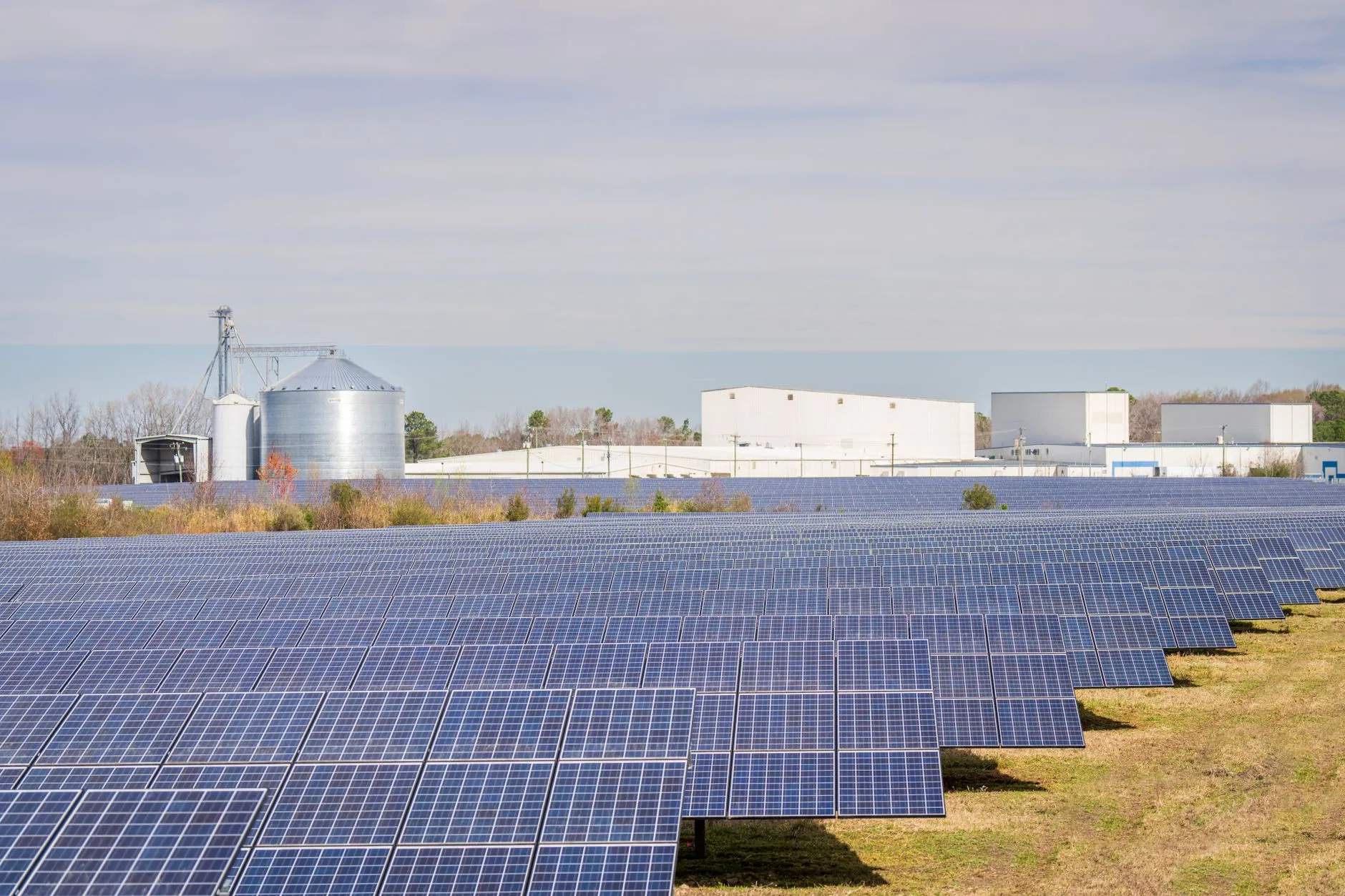
The government has launched the eighth Contracts for Difference allocation round with an unusual twist. Instead of announcing fixed spending commitments upfront, ministers have set provisional budgets of just £1 for solar, onshore wind, offshore wind and floating offshore wind. The move allows officials to review what developers are willing to bid before deciding how much public money to commit.
This marks a shift in how the UK funds renewable electricity generation. Previously, the Department for Energy Security and Net Zero would announce a budget and award contracts up to that limit. Now, ministers want to see the price offers first. Only then will they decide whether spending more money delivers value for consumers.
The application window closed in August, and the budget notice was issued in November. Results are expected in February. For businesses that rely on renewable electricity or compete for public contracts with net zero criteria, the outcome will shape the UK's clean power pipeline for years to come.
How the provisional budget mechanism works
The £1 figure is not a spending cap. It acts as a placeholder that prevents projects from clearing automatically while letting the government see every bid submitted. Developers put forward their prices without knowing whether the government will approve enough funding to award contracts.
Once bids are in, officials assess them anonymously. They then decide how much capacity to support and at what price. The Department for Energy Security and Net Zero has said the initial budgets are starting points, not final limits. However, any increase requires agreement with HM Treasury and must demonstrate value for money.
This approach gives ministers greater control over costs. It also creates uncertainty for developers, who must prepare bids without knowing whether the government will back their projects. The structure exposes the full range of prices the market is prepared to accept, which strengthens the government's negotiating position.
Meanwhile, a fifth category covering other emerging technologies has been allocated no budget at all. That pot will not receive funding in this round, meaning only the four main renewable categories remain in play.
Contracts for Difference explained
The Contracts for Difference scheme is the main tool the UK uses to support large renewable electricity projects. It gives successful generators a guaranteed strike price for the power they produce. When wholesale electricity prices fall below that strike price, generators receive a top up payment. When prices rise above it, generators pay the difference back.
The system reduces revenue risk for developers. That makes it easier to secure finance and encourages investment in wind and solar generation. It also gives the government a way to control how much renewable capacity gets built and how much it costs consumers.
The Low Carbon Contracts Company manages the scheme as counterparty. Contracts typically run for 15 years, though recent reforms have extended wind and solar agreements to 20 years. The government sets administrative strike prices for each technology, which act as ceiling prices during the auction.
What technologies are competing and at what prices
Four technology pots are open for bids, each with its own provisional £1 budget. Pot 1 covers solar photovoltaic projects above 5 megawatts. Pot 2 includes onshore wind and remote island wind. Pot 3 is for fixed bottom offshore wind. Pot 4 covers floating offshore wind.
The administrative strike prices for this round are £75 per megawatt hour for solar, £92 per megawatt hour for onshore wind, and £113 per megawatt hour for offshore wind. All figures are in 2024 prices. These ceilings represent the maximum price the government will pay, though developers can bid lower.
In the previous round, clearing prices came in well below the administrative limits. Onshore wind cleared at £72.24 per megawatt hour, 21% below the ceiling. Solar cleared at £65.23 per megawatt hour, 13% below its ceiling. Those results show that competitive pressure can drive prices down when enough developers bid.
The seventh allocation round, announced in January, ultimately secured 14.7 gigawatts of new clean power capacity across 201 projects. Offshore wind accounted for 8.4 gigawatts of that total, supported by a budget that more than doubled from £900 million to around £1.79 billion after ministers reviewed the bids.
Cost pressures facing renewable developers
Renewable projects today face higher costs than they did in earlier auction rounds. Construction materials have become more expensive. Interest rates have risen sharply, increasing the cost of finance. Supply chains remain stretched, particularly for offshore wind turbines and components. Labour costs have also climbed.
These pressures affect project economics. Developers need higher strike prices to achieve acceptable returns. At the same time, the government wants to keep electricity costs down for consumers. That tension explains why ministers are taking a more cautious approach to setting budgets.
Offshore wind has been particularly affected. Several major projects announced before the recent cost increases have struggled to reach financial close. Some developers have withdrawn from earlier auction rounds or renegotiated terms. Floating offshore wind, which remains a relatively new technology, faces additional technical and financial risks.
Solar and onshore wind projects are generally smaller and less capital intensive. However, they still face planning constraints, grid connection delays and rising equipment costs. The strike prices developers need to make projects viable have increased, even as the government seeks to control spending.
What this means for UK businesses
The auction's outcome will affect electricity prices, supply chain activity and the pace of decarbonisation across the economy. For manufacturers and energy intensive industries, the volume of new renewable capacity will influence long term power costs and the availability of green electricity for corporate offtake agreements.
Businesses competing for public sector contracts increasingly face net zero requirements. Carbon reporting and reduction commitments are now standard in many procurement processes. A strong auction result accelerates the UK's transition to clean power, making it easier for companies to source renewable electricity and meet their own carbon targets.
Supply chain businesses that serve the renewables sector will watch the results closely. A generous budget decision could unlock billions in construction activity, creating demand for turbines, solar panels, electrical equipment and installation services. A cautious outcome could slow the pipeline and dampen investment across the supply chain.
The auction also affects the credibility of the UK's 2030 energy targets. The government has set a goal of 45 to 47 gigawatts of installed solar capacity by the end of the decade. It also aims to decarbonise the electricity system by 2030. Achieving those targets requires sustained growth in renewable generation, which depends on regular, well funded allocation rounds.
For businesses planning their own energy strategies, the auction provides a signal about the government's commitment to renewables. A strong result reinforces confidence that the UK will continue to expand clean power capacity. A weak result raises questions about whether the policy framework is working effectively.
Key details about the eighth allocation round
- The application window for Allocation Round 8 ran from 20 July to 7 August, with the budget notice issued on 19 November.
- Provisional budgets are set at £1 for solar, onshore wind, offshore wind and floating offshore wind, with no budget allocated to emerging technologies.
- Administrative strike prices are £75 per megawatt hour for solar, £92 for onshore wind and £113 for offshore wind, all in 2024 prices.
- The previous round secured 14.7 gigawatts of new capacity across 201 projects, including 8.4 gigawatts of offshore wind.
- Budget increases require Treasury approval and must demonstrate value for money, with no guarantee that additional funding will be provided.
- Results are expected in February, following a review of anonymised bids by the Department for Energy Security and Net Zero.
Risks and opportunities in the new bidding process
The provisional budget structure gives the government flexibility to respond to market conditions. It prevents ministers from committing too much money if bids come in low, or too little if projects need higher prices to remain viable. That flexibility could improve value for taxpayers.
However, the approach also creates risk for developers. Without a clear budget commitment, companies must decide whether to invest time and money preparing bids that may not result in contracts. That uncertainty could deter some projects, particularly those with tight financing windows or high upfront costs.
For offshore wind, the stakes are particularly high. Projects can cost billions and require years of planning and investment before construction begins. Developers need confidence that the government will provide enough budget to award contracts. A cautious budget decision could leave viable projects unfunded, slowing the pipeline and deterring future investment.
Conversely, if the government approves generous increases after reviewing bids, the process could demonstrate that ministers are willing to back renewables when prices are competitive. That would strengthen investor confidence and encourage more developers to participate in future rounds.
The auction also tests whether the UK's policy framework remains attractive compared to other markets. European countries and the United States are increasing their support for renewable energy. If UK auction terms become less competitive, developers may prioritise projects elsewhere.
Policy context and the path to 2030
This auction sits within a broader push to expand renewable electricity generation and reduce reliance on fossil fuels. The government has extended contract lengths to 20 years for wind and solar, aiming to improve project economics and attract more investment. It has also increased administrative strike prices to reflect rising costs.
The 2030 clean power target requires rapid deployment of wind and solar capacity. Achieving that goal depends on consistent policy support, streamlined planning processes and sufficient grid infrastructure. Allocation rounds are a critical part of that effort, but they must work alongside reforms to grid connections, planning approvals and supply chain capacity.
The provisional budget approach reflects a shift towards evidence based spending. Instead of setting fixed envelopes, ministers want to see what the market offers before committing funds. That approach could improve fiscal discipline, but it also adds complexity to an already lengthy approval process.
For businesses planning decarbonisation strategies, the auction's outcome will clarify the government's priorities. A strong result signals continued commitment to renewables and provides confidence for companies making long term energy decisions. A weak result could prompt businesses to explore alternative approaches, such as onsite generation or international renewable electricity purchases.
The results will also influence future policy design. If the provisional budget model proves effective, it may become standard practice in subsequent rounds. If it deters developers or slows deployment, the government may need to rethink its approach to balancing cost control with capacity growth.
What businesses should consider now
Companies should review how the auction outcome could affect their energy costs and supply arrangements. Those with large electricity demand may want to explore long term power purchase agreements with renewable generators. Such agreements can lock in prices and provide access to green electricity for carbon reporting purposes.
Businesses in the renewable supply chain should prepare for potential increases in demand if the government approves generous budget uplifts. However, they should also plan for scenarios where the auction delivers less capacity than expected. Diversifying across markets and technologies can reduce exposure to policy uncertainty.
Organisations with net zero commitments should track the auction results as part of their broader decarbonisation planning. The volume of new renewable capacity affects the availability and cost of green electricity, which many businesses need to meet their carbon reduction targets. Support with carbon reporting and compliance can help ensure your strategy remains aligned with policy developments.
Public sector suppliers should pay particular attention. Many government contracts now require bidders to demonstrate carbon reduction plans and renewable electricity sourcing. Understanding the UK's renewable pipeline helps inform those plans and strengthens tender responses.
Finally, businesses should consider the broader policy direction. The government's approach to this auction reflects wider questions about how the UK balances cost control with climate ambition. Tracking these developments helps companies anticipate future policy changes and adjust their strategies accordingly.
Where to find more information
The Department for Energy Security and Net Zero publishes detailed guidance on the Contracts for Difference scheme, including allocation round rules and strike prices. The Low Carbon Contracts Company provides operational information and contract data for awarded projects.
For updates on UK energy policy and renewable electricity targets, the government's clean power strategy outlines the roadmap to 2030. Industry analysis from organisations such as the Institute of Environmental Management and Assessment offers context on how policy changes affect businesses.
Businesses looking to understand their own energy options can explore resources on sustainable procurement and long term renewable electricity sourcing. Staying informed about allocation rounds helps companies plan effectively and take advantage of opportunities as the UK's energy system evolves.