
Inside the Interactive Workshops at Sustainability LIVE
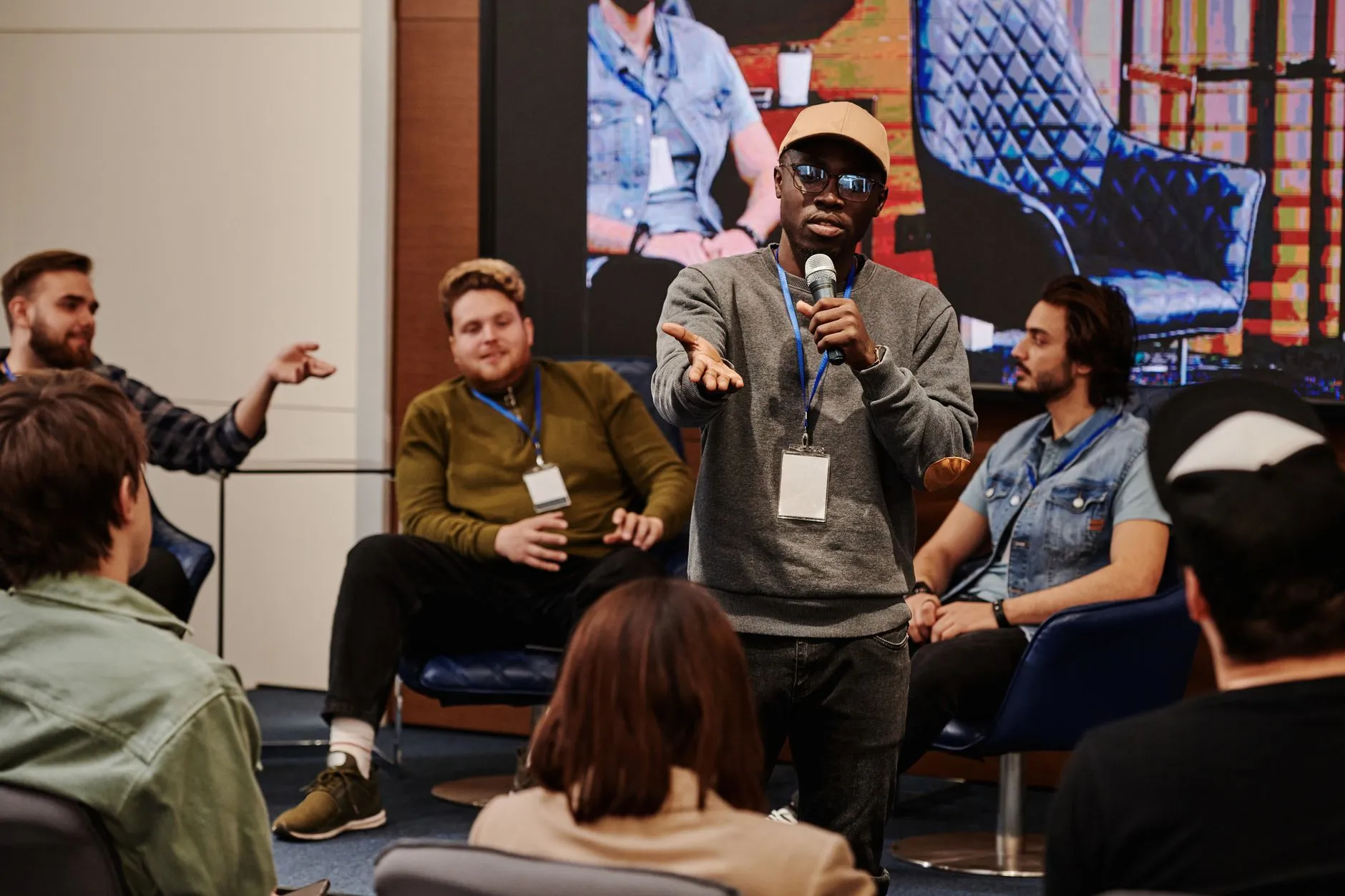
How Sustainability LIVE workshops shifted from ambition to execution
Sustainability LIVE has changed the way UK businesses approach climate strategy events. The London summit now centres on interactive workshops rather than keynote speeches. This reflects growing demand from business leaders for practical guidance on net zero, reporting, and supply chain action.
The 2025 London summit ran on 9 and 10 September at the Business Design Centre. It attracted over 3,000 participants and featured six interactive workshops alongside panel discussions. Meanwhile, the 2026 editions expanded the workshop format further. The March programme at the QEII Centre in Westminster offered four executive workshops designed for leaders delivering net zero strategy. The June leadership summit at CodeNode followed the same model.
This shift matters because companies now face real operational pressure. Climate commitments must translate into measurable progress on carbon reduction, ESG disclosure, and Scope 3 emissions management. Consequently, events that offer decision-ready guidance hold more value than those focused purely on awareness.
Why the workshop format responds to business pressure
Sustainability LIVE is BizClik's international event series covering ESG, climate action, and responsible business transformation. The London summit combines keynote talks, panels, and networking with hands-on workshops. However, the workshops now form the core learning model rather than supplementary content.
The 2025 programme included 50 senior executives speaking across eight panels and six workshops. Topics covered carbon management, ESG disclosure, supply chain emissions, and climate governance. Notably, the workshops were described as delivering actionable strategies for sustainable business transformation. This language signals a move away from aspirational content toward practical application.
By 2026, this focus intensified. The March Net Zero Summits programme promoted four executive workshops alongside 50 speakers. Similarly, the June leadership summit during London Climate Action Week featured 25 expert speakers and four interactive executive workshops. Both events emphasised practical guidance on embedding climate action across operations, supply chains, and investment decisions.
The workshop topics reflect current operational challenges facing UK SMEs. Sessions covered net zero strategy implementation, Scope 3 emissions measurement, AI applications in sustainability, renewable energy procurement, electrification, circular economy models, and climate governance structures. These are the issues businesses must address to meet reporting requirements and tender criteria.
What the 2025 and 2026 programmes delivered
The 2025 London summit ran as a two-day event with both in-person and virtual access options. Attendees could join remotely or attend at the Business Design Centre. The programme mixed plenary sessions with smaller workshop environments designed for peer learning and problem-solving.
Promotional materials highlighted the scale of participation. Over 3,000 attendees registered, creating opportunities for networking alongside structured learning. The nine interactive panels covered high-level strategy, while the six workshops focused on operational implementation. This balance allowed leaders to understand policy context before working through practical applications.
The 2026 programmes adopted larger venues and more structured formats. The March edition at the QEII Centre in Westminster positioned itself as a flagship net zero gathering. Four executive workshops addressed decarbonisation strategy, ESG disclosure frameworks, Scope 3 emissions tracking, and sustainable finance. The June leadership summit during London Climate Action Week maintained the four-workshop structure but condensed the programme into a single day.
Both 2026 events framed workshops as essential components rather than optional extras. Descriptions emphasised that these sessions were designed specifically for leaders shaping and delivering net zero strategy. This language targets senior decision-makers responsible for carbon reduction programmes, not just sustainability managers attending for professional development.
Scope and participation across recent editions
The scale of Sustainability LIVE demonstrates its position in the UK events calendar. However, the growth in workshop content suggests organisers are responding to participant feedback and market needs rather than simply expanding for scale.
Key facts from recent programmes include the following details. The 2025 London summit on 9 and 10 September attracted 3,000 attendees and featured 50 senior executives. The programme offered eight panels and six interactive workshops. The 2026 Net Zero Summits ran on 4 and 5 March at the QEII Centre in Westminster. It included four executive workshops and over 50 speakers. The 2026 London Climate Action Week leadership summit took place on 25 June at CodeNode. It delivered 25 expert speakers and four interactive executive workshops in a condensed one-day format.
Content themes across all three events remained consistent. Net zero strategy, decarbonisation pathways, ESG disclosure requirements, Scope 3 emissions management, AI applications in sustainability, renewable energy procurement, electrification, circular economy implementation, and climate governance structures appeared repeatedly. This consistency indicates these topics represent ongoing challenges for business audiences rather than short-term trends.
Strategic themes covered in workshop sessions
The workshop content addresses operational questions UK businesses face when implementing climate strategies. Sessions are designed to move beyond policy discussion into execution planning. This approach aligns with current market pressure on companies to demonstrate progress rather than restate commitments.
Net zero strategy workshops focus on setting science-based targets, developing credible transition plans, and aligning carbon reduction with business operations. These sessions help leaders understand how to structure decarbonisation programmes across multiple sites and business units. Participants work through real scenarios including budget allocation, timeline planning, and stakeholder engagement.
ESG disclosure workshops address reporting frameworks including SECR, TCFD recommendations, and emerging requirements under sustainability disclosure standards. UK businesses face increasing expectations from investors, customers, and procurement teams. Therefore, understanding which frameworks apply and how to gather required data has become essential. Workshop facilitators guide participants through disclosure preparation, materiality assessment, and assurance readiness.
Scope 3 emissions sessions tackle supply chain measurement and reduction. For most businesses, Scope 3 represents the largest share of carbon footprint. Consequently, measuring and reducing these emissions requires supplier engagement, data collection systems, and procurement policy changes. Workshops provide practical guidance on supplier surveys, emissions factors, data quality improvement, and setting Scope 3 reduction targets.
Climate governance workshops explore board-level oversight, executive accountability, and integration of climate considerations into business decision-making. As climate risk becomes material to business performance, governance structures must evolve. Sessions cover establishing climate committees, defining roles and responsibilities, linking executive remuneration to climate performance, and integrating climate risk into enterprise risk management.
Technology-focused workshops examine AI applications in carbon management, renewable energy procurement strategies, and electrification planning. These sessions address practical questions about technology selection, implementation costs, and operational integration. Participants learn how businesses are using technology to automate emissions tracking, optimise energy use, and accelerate decarbonisation.
What workshop-centred events mean for UK businesses
The evolution of Sustainability LIVE reflects broader changes in how UK businesses approach climate action. Events that offer practical tools and peer learning now deliver more value than those focused purely on inspiration or awareness. This shift matters because companies need implementation support, not more motivation.
For SMEs particularly, workshops provide access to expertise and frameworks that might otherwise require expensive consultancy support. Interactive sessions allow businesses to ask specific questions, work through challenges with peers, and leave with clear next steps. This practical value explains why workshop content has expanded while traditional keynote sessions have remained relatively stable.
The focus on topics like Scope 3 emissions and ESG disclosure directly addresses current compliance pressures. UK businesses supplying public sector organisations must demonstrate carbon reduction under PPN 06/21 requirements. Similarly, companies tendering for large corporate contracts increasingly face sustainability criteria in procurement decisions. Workshops that address these specific requirements deliver immediate commercial value.
Climate governance sessions respond to growing board-level attention to sustainability. Directors now face questions about climate risk oversight, transition planning, and disclosure obligations. Therefore, understanding governance best practice has become essential for effective board performance. Workshops provide structured guidance that directors can apply immediately in their organisations.
The emphasis on AI and technology reflects recognition that manual carbon management cannot scale. As reporting requirements expand and businesses need more granular emissions data, technology solutions become necessary rather than optional. Workshops help leaders evaluate technology options, understand implementation requirements, and avoid common pitfalls.
Importantly, the workshop format creates peer learning opportunities that isolated businesses struggle to access. Sustainability challenges often feel unique to individual organisations. However, workshops reveal common patterns, shared obstacles, and proven solutions. This peer validation helps leaders build confidence in their approaches and accelerates implementation.
Programme details and participation information
Sustainability LIVE operates as part of BizClik's broader event portfolio covering technology, healthcare, manufacturing, and business transformation. The London summit represents the UK flagship for sustainability-focused content. However, BizClik runs similar events in other regions as part of an international series.
The 2025 Business Design Centre venue offered flexible capacity for both large plenary sessions and smaller workshop environments. Virtual access expanded participation beyond London, allowing remote attendees to join keynote sessions and panel discussions. Workshop sessions remained primarily in-person to maintain interactive dynamics and peer engagement.
The 2026 venue selections reflect the growing scale and seniority of participants. The QEII Centre in Westminster serves as a major conference venue for government and corporate events. CodeNode in the City of London specialises in technology and business innovation programmes. Both venues signal that Sustainability LIVE targets senior business leaders rather than general sustainability practitioners.
Ticket structures typically differentiate between full access passes and exhibition-only options. Workshop capacity remains limited compared to main auditorium sessions, encouraging early registration. Some editions offer virtual attendance options at lower price points, making content accessible to businesses with limited travel budgets.
Where businesses can learn more about future editions
Organisations interested in attending future Sustainability LIVE events or accessing workshop content should monitor the official Sustainability LIVE website for programme announcements and registration details. BizClik typically releases initial dates and themes several months before each summit, with detailed agendas published closer to event dates.
For businesses developing net zero strategies, our net zero programme for carbon reporting compliance provides structured support for measuring emissions, setting targets, and meeting disclosure requirements. This includes preparation for reporting frameworks covered in Sustainability LIVE workshops.
Companies seeking practical training on carbon management and ESG topics can explore SBS Academy training on Scope 3 emissions and other sustainability competencies. Our courses complement conference learning with ongoing implementation support tailored to UK SME needs.
The Department for Energy Security and Net Zero publishes guidance on the UK's net zero strategy and supporting policies. This provides context for understanding regulatory direction and compliance expectations discussed at sustainability events.
IEMA offers resources on environmental management and sustainability practice through its professional guidance library. These materials support continuing professional development for practitioners attending events like Sustainability LIVE.