
ZELP launches device to measure cattle methane emissions
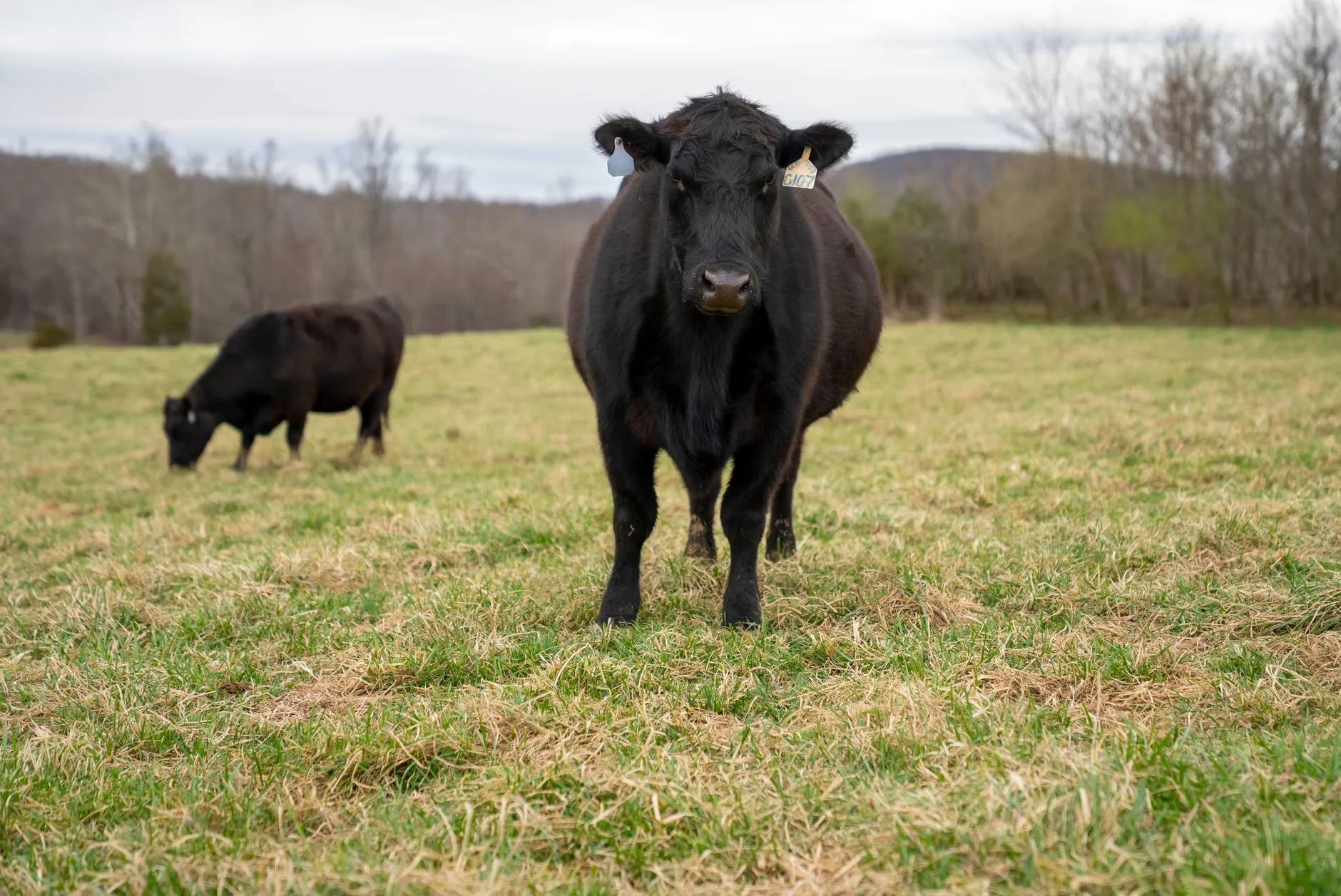
Zelp launches commercial wearable for measuring cattle methane emissions
Zelp has released Zelp Sense, a wearable device that measures methane output from individual cows in working farm conditions. The launch represents a shift from prototype development to commercial availability. It also signals a broader move in agricultural climate technology: the focus is moving from mitigation concepts toward practical measurement systems that farmers and researchers can actually use.
The device matters because cattle methane is notoriously difficult to quantify on ordinary farms. Without reliable data, comparing mitigation methods becomes guesswork. Verifying emissions claims is nearly impossible. Building incentives for lower-emission herds requires measurement infrastructure that most farms simply do not have.
Zelp Sense is positioned as a solution to that bottleneck. The company says the wearable tracks methane and carbon dioxide emissions continuously. It also estimates dry matter intake, which is a key productivity metric for livestock operations. Data transfers via Wi-Fi and appears in a mobile app designed for farm use.
From mitigation prototype to measurement platform
Zelp began as the Zero Emissions Livestock Project, developing a halter-style device that physically captures methane as cows exhale and burp. The original concept oxidized the captured gas into carbon dioxide and water vapour. Early reporting described it as a mask or nosepiece fitted to the animal's head.
Initial trials suggested methane reductions of roughly one-third, according to public reporting from 2020. A separate EU-backed project summary reported preliminary reductions averaging 26.5%, reaching up to 32% in prototype testing. Later statements suggested the technology could potentially cut emissions by more than 50%, though that figure was framed as an aspiration rather than a peer-reviewed field result.
The company's direction changed when the Global Methane Hub provided backing through its Enteric Fermentation R&D Accelerator. According to the Hub's annual report, support in 2023 focused on building a scalable wearable that could continuously measure enteric methane in grazing cattle. The accelerator expected market availability toward the end of 2025. That timeline appears to have been met with the Zelp Sense launch.
Zelp now describes its technology primarily as a measurement tool. The device samples data close to the cow's nostrils and processes it through machine-learning models. The shift reflects a practical reality: proving that a mitigation device works requires accurate measurement first. Without reliable baseline data, claims about emissions reductions remain unverifiable.
Technical approach and field testing
Zelp Sense measures methane and carbon dioxide continuously while animals go about normal grazing and feeding. The system is designed to be low-cost and straightforward to fit. Data collection happens in real-world conditions rather than controlled research environments. That distinction is important because lab measurements often fail to translate to working farms.
The company reports more than 20,000 hours of real-world testing. Initial evaluation trials indicate the device's estimates are comparable in reliability to accepted measurement approaches. However, independent peer-reviewed validation has not yet been published in accessible form. That remains the critical test for any emissions-monitoring technology claiming field accuracy.
The device also estimates dry matter intake. For dairy and beef operations, knowing how much each animal eats is valuable for feed efficiency and productivity management. Linking intake data to emissions creates a fuller picture of each animal's environmental and economic performance. That combination could support breeding programs aimed at selecting for lower methane intensity per unit of production.
Data offloads via Wi-Fi, which means farms need adequate connectivity. The mobile-optimized app is designed for practical use by farm staff rather than requiring specialist technical knowledge. These design choices reflect the reality that agricultural technology often fails because it demands too much infrastructure or expertise.
Why livestock methane measurement has been so difficult
Measuring methane from cattle in working farm conditions is genuinely hard. Respiration chambers provide accurate data but only work in controlled settings. They are expensive, require specialized facilities, and cannot capture how animals behave during normal grazing. That makes chamber data unreliable for predicting real-world emissions.
The SF6 tracer technique has been widely used in research. Animals receive a bolus that releases sulfur hexafluoride at a known rate. Researchers collect breath samples and calculate methane output by comparing gas ratios. The method works for research trials but is too complex and costly for routine farm use. It also requires regular sample collection, which is impractical for large herds.
Laser methane detectors can scan animals remotely but provide only snapshots. They struggle with variable wind conditions and require animals to be stationary. Emissions vary significantly throughout the day based on feeding patterns, activity, and digestion cycles. Snapshot measurements miss that variability.
GreenFeed systems measure emissions when animals visit automated feeders. The approach provides good data but only captures emissions during feeding visits. Animals that do not regularly use the feeders get missed. The systems are also capital-intensive and require power and connectivity infrastructure.
Consequently, most farms have no practical way to measure methane at the individual animal level. Industry estimates rely on population averages and theoretical calculations. Those estimates are useful for national inventories but do not help farmers identify high-emitting animals or track changes over time. That data gap blocks progress on breeding, management, and mitigation programs.
Commercial and reporting implications for UK agriculture
UK agriculture faces mounting pressure to reduce emissions while maintaining productivity. The government's net zero commitment includes agriculture, and methane from livestock is a significant part of the sector's climate footprint. Measurement capability directly affects what farmers can report, verify, and act upon.
For dairy and beef operations, reliable emissions data could support several business objectives. First, it enables breeding programs focused on lower-emitting genetics. Some animals naturally produce less methane per kilogram of milk or meat. Identifying those animals requires individual measurement. Over time, selecting for lower emissions could reduce herd footprints without sacrificing productivity.
Second, measurement supports participation in carbon markets or certification schemes. Buyers increasingly want verified low-carbon products. Retailers and food manufacturers face their own Scope 3 reporting requirements. That pressure flows down supply chains to farms. Verified emissions data helps producers demonstrate lower footprints and potentially command premium prices.
Third, individual animal data helps optimize feeding and management. Methane output relates to feed quality, digestion efficiency, and health status. Unusual emissions patterns can signal digestive issues or poor feed utilization. Real-time monitoring could therefore improve both environmental and economic performance.
For public sector suppliers, emissions data is becoming part of tender evaluation criteria. Procurement Policy Note 06/21 requires suppliers bidding for major government contracts to publish carbon reduction plans. As that requirement tightens, demonstrable emissions measurement and reduction will affect contract access. Livestock producers in public sector supply chains may need verifiable data to maintain market access.
However, the business case depends entirely on accuracy, durability, and cost. If devices require frequent maintenance, produce unreliable data, or cost more than the value they create, adoption will stall. The technology must work in muddy fields, survive rough handling, and function across different weather conditions. Those practical realities determine whether a farm tool succeeds or becomes an expensive experiment.
What UK farms need to know about methane measurement technology
- Zelp Sense is a wearable device that continuously measures methane and carbon dioxide emissions from individual cows in working farm conditions.
- The system also estimates dry matter intake, linking emissions data to productivity metrics that farmers already track.
- Data transfers via Wi-Fi to a mobile app, designed for use by farm staff without specialist technical training.
- Zelp reports more than 20,000 hours of real-world testing, with initial trials suggesting reliability comparable to accepted measurement methods.
- The Global Methane Hub supported development through its Enteric Fermentation R&D Accelerator, emphasizing the need for precise measurement to assess mitigation interventions.
- Independent peer-reviewed validation in accessible publications has not yet been confirmed, which remains essential for establishing credibility.
- The device is positioned for both commercial farm use and research applications, targeting a measurement gap that has long blocked progress in livestock climate management.
Questions farms should be asking about emissions monitoring
The arrival of commercial cattle methane monitors raises practical questions for UK livestock operations. The first is whether measurement actually helps the business. For farms not facing immediate reporting requirements or sustainability tender criteria, the value proposition needs to be clear. Does knowing individual animal emissions improve profitability through better breeding or feeding decisions?
Cost is the second question. The device is described as low-cost, but that term means different things in different contexts. Capital cost, maintenance requirements, and data management all contribute to total expense. Farms need to understand the full financial commitment before investing in monitoring infrastructure.
Third is accuracy in variable conditions. UK livestock systems include housed dairy cows, grazing beef cattle, and mixed systems. Animals move between fields, experience changing weather, and consume different feed types. The device must deliver reliable data across all those conditions, not just in controlled trials. Independent validation will be essential for building confidence.
Fourth is data ownership and use. Who controls the emissions data collected from farm animals? How is it stored, shared, or aggregated? Could farm-level data be used in ways that disadvantage producers? These questions matter particularly as sustainability reporting becomes more sophisticated and commercially significant.
Finally, there is the question of what happens next with the data. Measurement only creates value if it leads to useful action. Can farms access advice on how to interpret emissions data and adjust management practices? Are there clear pathways to carbon markets or premium pricing for verified lower emissions? Without those connections, measurement becomes an administrative burden rather than a business opportunity.
For farms already working toward net zero or facing supply chain sustainability requirements, emissions monitoring may be becoming necessary rather than optional. In those cases, the question shifts from whether to measure to which measurement system provides the most reliable and practical solution. Zelp Sense enters a market where that need is growing but proven solutions remain scarce.
Where this fits in UK agricultural climate policy
The UK government has committed to reducing agricultural emissions while maintaining food production. The Department for Environment, Food and Rural Affairs has outlined various pathways for emissions reduction in livestock systems. However, policy ambition consistently runs ahead of practical measurement capability on farms.
Methane monitoring technology addresses that gap. Without farm-level data, emissions reduction remains abstract. With measurement, it becomes specific and actionable. That shift is essential for moving climate policy from theoretical targets to operational farming practice.
The Environmental Improvement Plan sets out the government's approach to environmental goals, including agricultural emissions. As that plan develops into specific requirements and incentives, measurement infrastructure will determine which farms can demonstrate compliance and access available support. Early adoption of reliable monitoring could position operations favorably as policy requirements tighten.
Research institutions including Rothamsted Research and Scotland's Rural College have been working on enteric methane measurement for years. Commercial products like Zelp Sense build on that research base. The translation from research to commercial application is where many agricultural technologies fail. Whether this device succeeds depends on how well it performs outside research trials.
Industry bodies including the National Farmers' Union and the Agriculture and Horticulture Development Board are watching methane measurement developments closely. Their guidance will influence how livestock farmers approach emissions monitoring. Independent assessment of available technologies will be valuable for helping farms make informed investment decisions.
Authoritative information sources on livestock emissions measurement
The Department for Environment, Food and Rural Affairs provides policy guidance on agricultural emissions reduction. Their publications explain how livestock methane fits into the UK's net zero commitment and outline expected developments in farm-level reporting requirements.
The Agriculture and Horticulture Development Board offers practical resources on livestock emissions measurement and management. Their materials translate research findings into advice for working farms. They also track emerging technologies and assessment methods relevant to UK production systems.
For farms facing public sector supply chain requirements, guidance on Procurement Policy Note 06/21 explains carbon reduction plan expectations. Understanding those requirements helps determine what level of emissions measurement and reporting may become necessary for maintaining contract access.
Research publications from UK institutions provide the scientific basis for emissions measurement approaches. While academic papers can be technical, they offer the detailed validation that commercial claims require. Checking whether devices have been independently assessed in peer-reviewed research helps evaluate their credibility.
We support farms working through carbon reporting requirements and net zero planning through our net zero program for carbon reporting compliance. As measurement technology develops and reporting expectations increase, having expert guidance on what data you actually need and how to use it effectively becomes increasingly valuable for making sound business decisions.